Condition can move a wall clock's value more than almost any other factor, yet judging it is less straightforward than with coins or trading cards. A clock is really two objects in one — a decorative case and a mechanical movement — and each is assessed on its own terms. Unlike coins or cards, clocks have no universal numeric grading scale; instead, dealers and auction houses use descriptive language, and understanding that language helps you read listings and estimates alike.
How clock condition is described
There is no formal certification system for clocks, but the trade tends to use a familiar ladder of descriptive terms: mint or near-mint (rare for antiques), excellent, very good, good, fair, and poor or "for restoration." Auction catalogs often add qualifiers such as "in running order," "movement untested," "associated pendulum," or "restored case," and these phrases carry real weight. "Original, untouched condition" is high praise; "married" (a case and movement that did not start life together) is a significant caution.
The case
The case is what a photo shows best, and it is where an AI estimate can read the most. Assessors look for:
- Finish: original surface and patina versus stripping and refinishing. Collectors generally prefer honest wear on an original finish over a glossy modern refinish.
- Veneer and carving: lifting, bubbling, or missing veneer; chips or losses to carved elements, especially the deer heads, leaves, and birds on cuckoo clocks or the crests and finials on longcase clocks.
- Structural issues: splits in the wood, loose joints, water staining, and evidence of woodworm.
- Glass and brass: cracked or replaced glass, missing bezels, and whether brass fittings have been left mellow or harshly polished.
The dial and hands
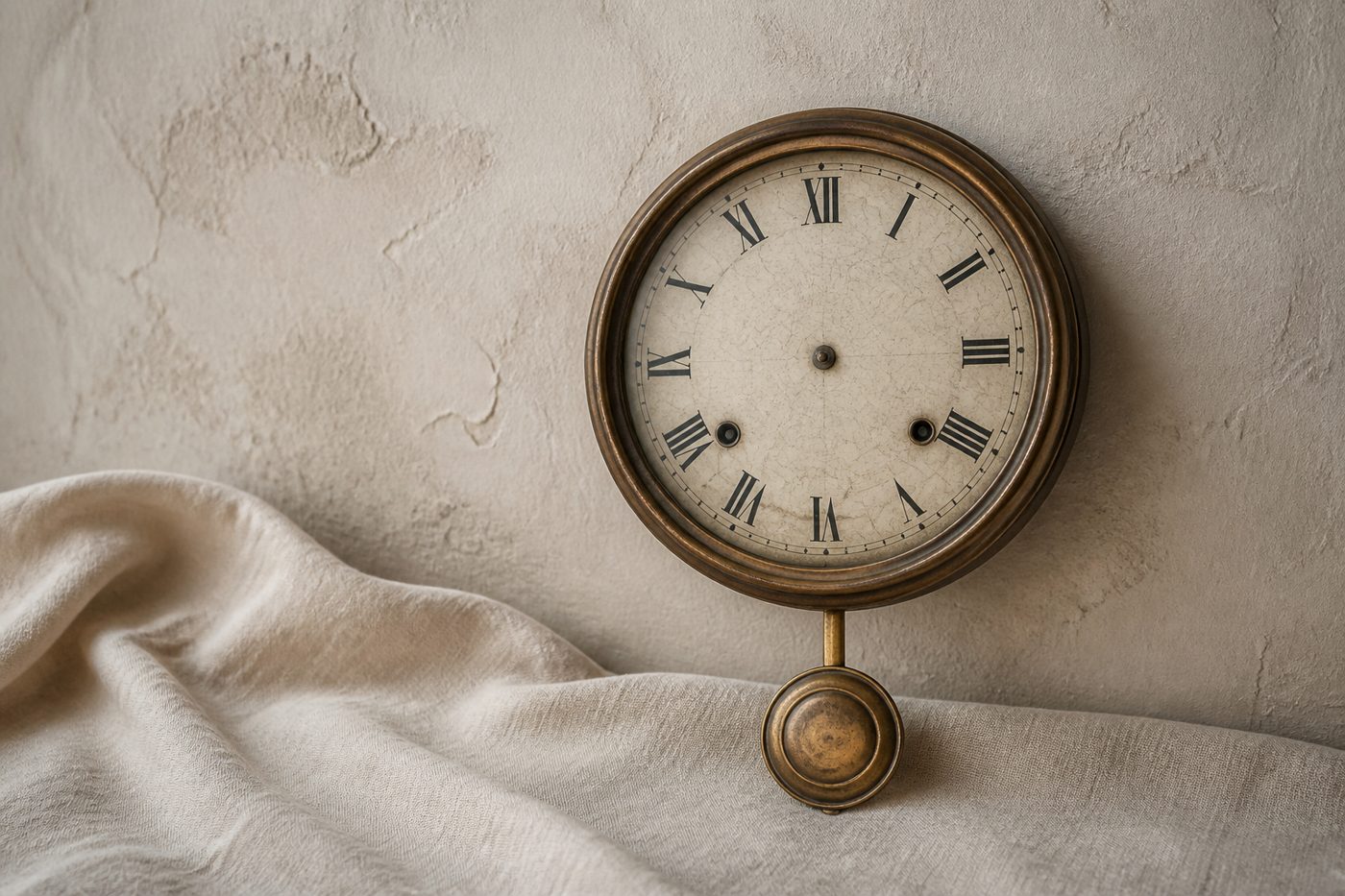
Dials suffer in characteristic ways: flaking paint on painted iron dials, hairline cracks in porcelain and enamel dials, tarnish and rubbed silvering on brass dials. Original hands matter too — replacements are common and usually detectable by style mismatch. A carefully preserved original dial with light, even aging is typically preferred to a brightly repainted one, since repainting can erase maker markings and period character.
The movement
This is where photos reach their limit. Key questions include whether the movement runs, keeps reasonable time, and strikes or plays correctly; whether it has been serviced or is choked with old oil and dust; whether parts have been replaced; and, critically, whether the movement is original to the case. On cuckoo clocks, the paper bellows that produce the call are a classic weak point — perished bellows are common and repairable, but their state affects price. Worn pivots, broken springs, and amateur repairs (soldered wheels, mismatched parts) all reduce desirability.
Completeness
A clock missing its pendulum, weights, finials, key, or crank is worth noticeably less than a complete example, because sourcing correct period parts can be slow and costly. For grandfather clocks, original seatboards and unaltered case interiors are good signs; for cuckoo clocks, the original carved bird and crest matter.
Restoration: help or harm
Sympathetic, well-documented restoration — a professional movement service, careful veneer repair, conservation-grade cleaning — is generally accepted and can improve salability. Aggressive intervention tends to do the opposite: stripping original finishes, repainting dials, or fitting modern quartz movements into antique cases usually reduces collector interest sharply.
What this means for your estimate
When you photograph a clock for an instant AI-powered estimate on appraiser.ai, clear images of the case, dial, movement (if accessible), and any labels let the estimate reflect condition as fully as a photo allows. Treat that result as a starting point: running order, originality of the movement, and hidden repairs can only be confirmed in person, so have a qualified professional appraiser or clock specialist examine the piece before making financial decisions.