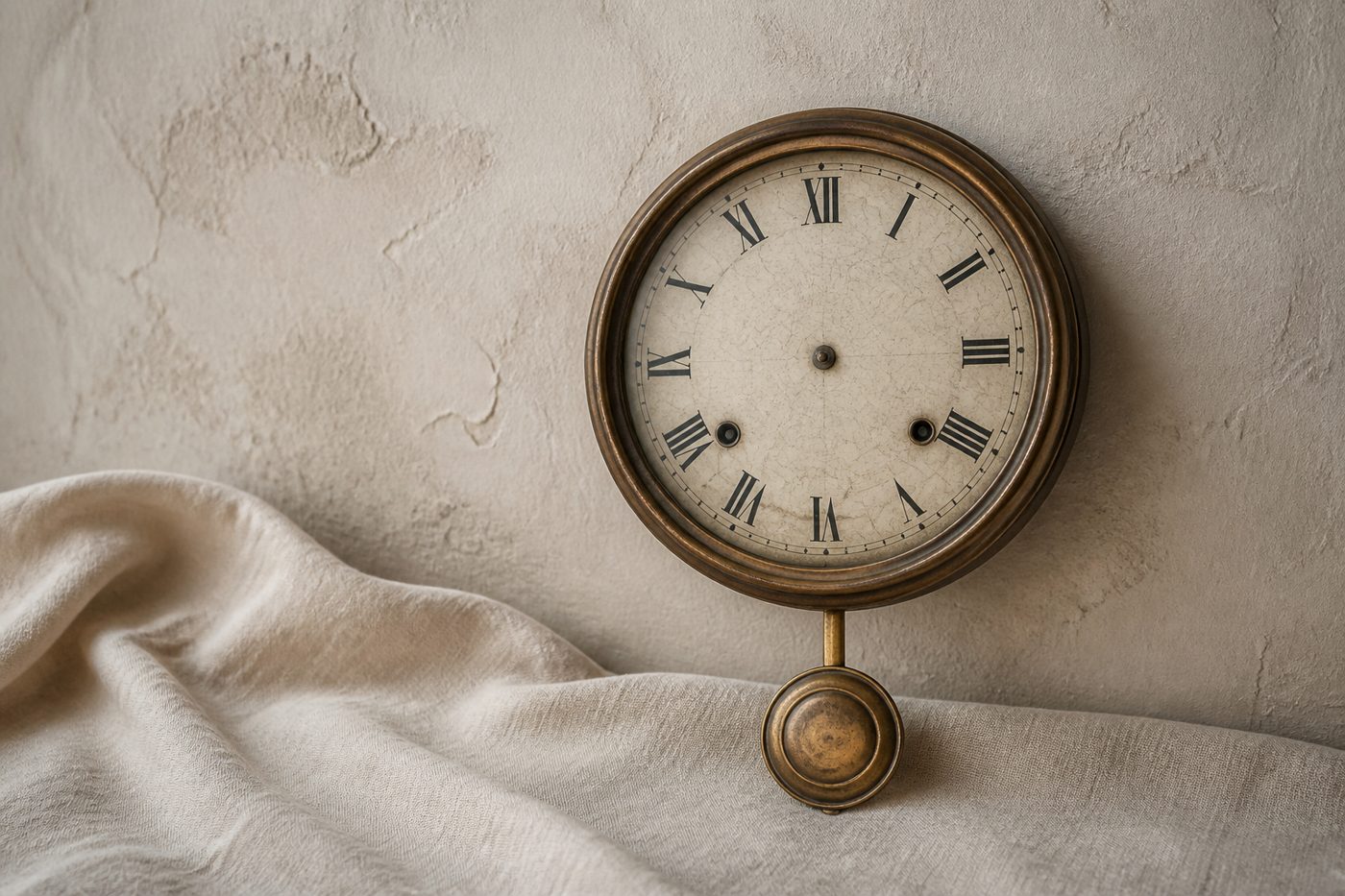
Wall clocks occupy a special corner of the antiques world: they are functional machines, decorative objects, and family heirlooms all at once. This category covers the full spectrum of hanging and standing timepieces, from Black Forest cuckoo clocks and Victorian pendulum regulators to stately grandfather (longcase) clocks and sleek Art Deco wall pieces. Whether a clock came down through the family or turned up at an estate sale, understanding what it might be worth is usually the first step.
Why people get wall clocks appraised
Owners typically seek an appraisal when settling an estate, insuring a valuable piece, deciding whether to restore or sell, or simply satisfying curiosity about an inherited clock. Because clocks combine mechanical complexity with decorative artistry, values can range from modest to substantial depending on maker, age, condition, and originality — differences that are not always obvious at a glance.
What an AI estimate can and cannot tell you
An AI-powered estimate from appraiser.ai can quickly analyze photos of your clock and suggest a likely value range based on visible characteristics: case style, dial design, apparent age, and comparable examples. It is an instant starting point, not an official valuation. A photo cannot reveal whether the movement runs, whether parts have been replaced, or whether a signature is genuine — factors that often matter enormously with clocks.
For insurance coverage, estate settlement, or a significant sale decision, always follow up with a qualified professional appraiser or horological specialist who can examine the clock in person.