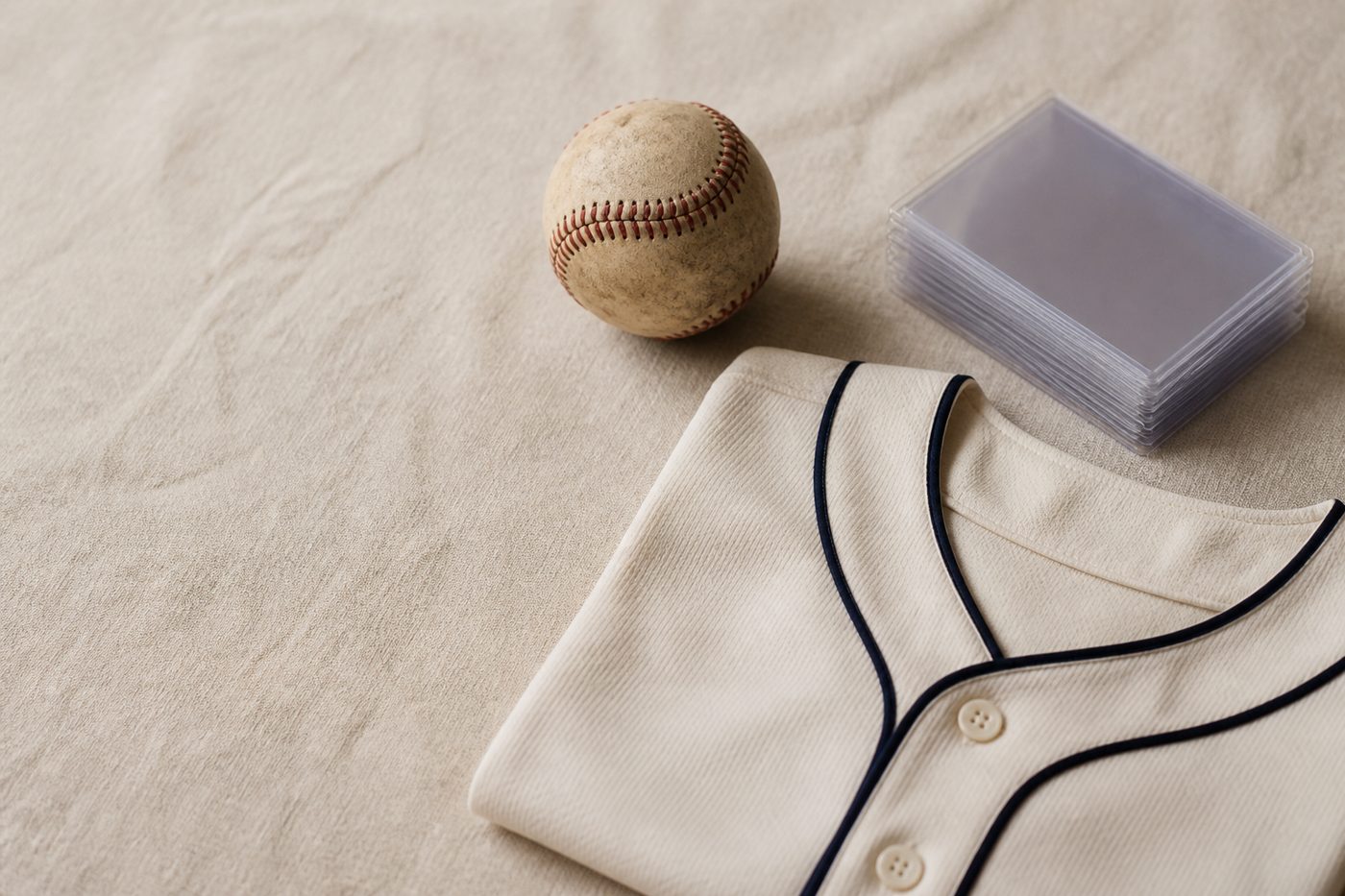
In sports memorabilia, condition isn't a detail — it's often the single biggest variable separating a common item from a coveted one. This category also has some of the most formalized grading conventions in all of collecting, especially for trading cards, where independent grading services assign numeric scores that the market treats almost as a common language.
Card grading: the 1–10 scale
Trading cards are typically graded by third-party services — well-known names include PSA, SGC, and Beckett — on a scale that runs roughly from 1 (poor) to 10 (gem mint). Graders evaluate four main attributes:
- Corners — sharp, unblunted corners are essential for top grades.
- Edges — chipping, fraying, or rough cuts lower the score.
- Surface — creases, print defects, scratches, and stains all count against a card.
- Centering — how evenly the image sits within the borders, front and back.
A graded card is sealed in a tamper-evident holder with its score, which tends to make it easier to sell because buyers don't have to trust the seller's own assessment. The jump between adjacent grades at the top of the scale can correspond to a large difference in what collectors will pay, which is why small flaws matter so much on otherwise valuable cards.
Common card condition issues
The defects that most often hold cards back include creases (even faint ones visible only at an angle), rounded or soft corners, off-center printing, surface wrinkles, gum or wax stains on vintage cards, writing on the card, and evidence of trimming. Trimming — shaving edges to make a worn card look sharper — is considered alteration, and altered cards are generally either refused a numeric grade or labeled as altered.
Autograph condition
For signed items, collectors assess the signature itself as much as the object. A bold, well-placed signature in the expected medium tends to be most desirable; faded, smeared, or partially rubbed signatures are significantly less so. Ballpoint on a ball can fade badly with light exposure, and signatures on dark fabrics or glossy surfaces can be hard to display. Some authentication services assign a separate grade to the signature's strength and eye appeal in addition to authenticating it.
Jerseys, equipment, and the game-use paradox
Game-used memorabilia inverts the usual rules. On a game-worn jersey or a game-used bat, wear can be a feature: pine tar, ball marks, cleat scuffs, and repairs made during a season all help support the claim of actual use, and can even assist photo-matching to a specific game. What hurts these items is post-career damage and alteration — moth damage, sun fading from display, removed lettering, or restoration that erases the very wear that told the story. For retail and replica items, by contrast, conventional rules apply: cleaner is better.
What collectors look for
Across the category, experienced collectors tend to check the same things: originality (no replaced parts, patches, or trimmed edges), honest and well-documented wear on used items, strong eye appeal, and freedom from environmental damage such as mildew, water stains, or heavy fading. Storage history shows: items kept flat, dry, and out of sunlight simply survive better.
Condition and AI estimates
When you photograph an item for appraiser.ai, the AI can pick up visible condition cues — corner wear, creases, fading, staining — and factor them into its instant estimate. But photos can hide hairline creases, subtle trimming, and restoration, and no photo can substitute for professional grading or in-hand inspection. Use the AI estimate as a starting point, then have potentially valuable items graded or reviewed by a qualified professional appraiser before you insure or sell.