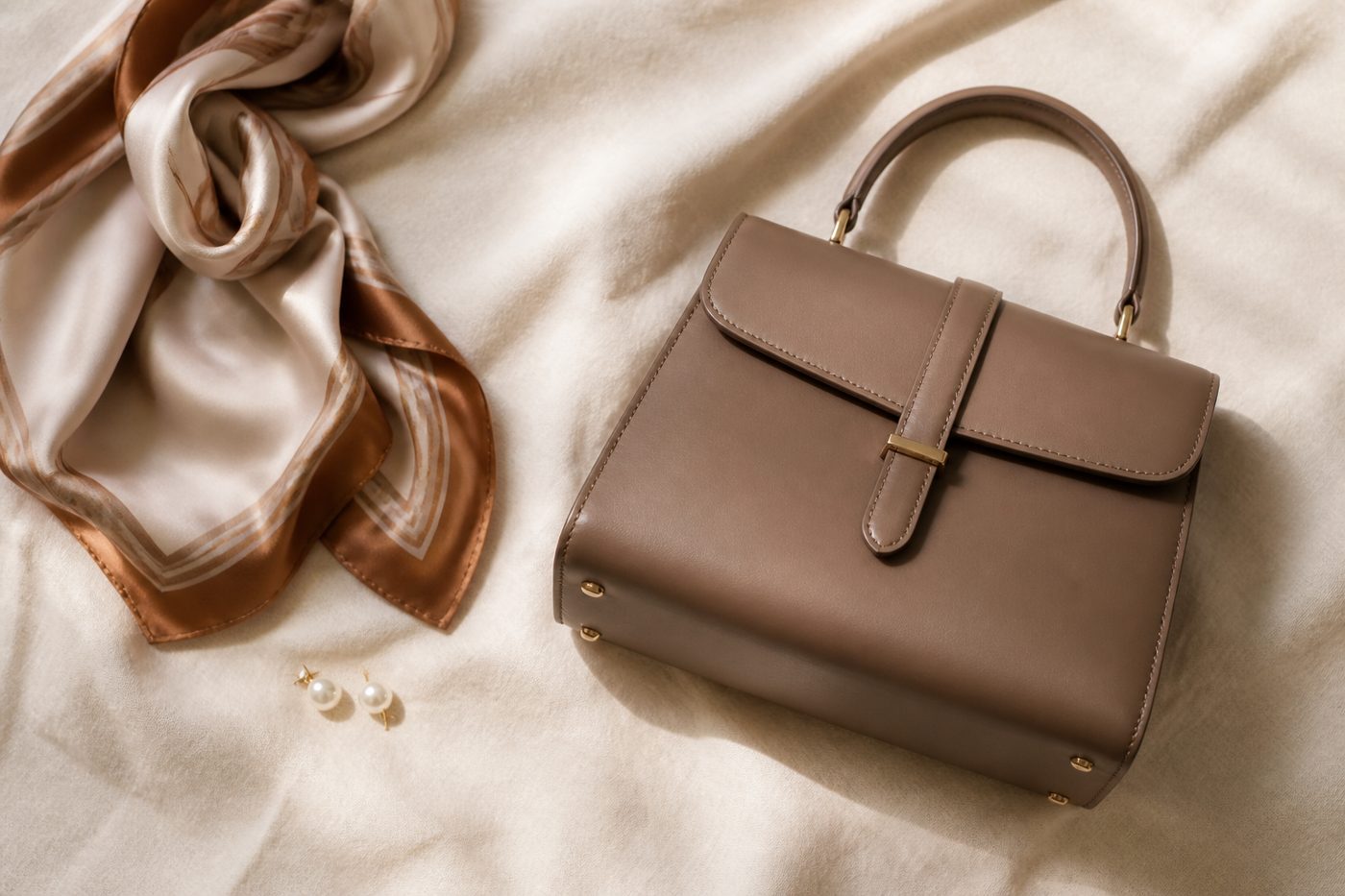
Once you know roughly what a handbag, garment, or accessory might be worth, the next question is where to sell it — and there is no single right answer. Each venue trades off speed, effort, fees, and final price differently. The best choice depends on what you have, how quickly you need to sell, and how much work you are willing to do.
Auction houses
Major and regional auction houses now run dedicated handbag and luxury fashion sales, and they are often the strongest venue for rare, high-end pieces — exotic-leather bags, couture, and items with notable provenance. Competitive bidding can push exceptional pieces well above expectations, and the house handles cataloging, photography, and authentication review. The tradeoffs: seller commissions and fees take a meaningful cut, the process can take months from consignment to payment, and ordinary items may not be accepted or may sell modestly. Auctions suit pieces special enough to attract competing bidders.
Specialist dealers and resellers
Luxury resale businesses and vintage dealers buy outright or offer quotes on the spot. The appeal is speed and certainty — you can often be paid within days, with no listing work and no risk of the item not selling. The cost is margin: a dealer must resell at a profit, so outright offers typically sit noticeably below what a patient private sale might bring. This route makes sense when you value a fast, guaranteed-sale-price transaction over maximizing the number, or when you have many mid-range items to move at once.
Consignment
Consignment shops and online consignment platforms sell on your behalf and take a percentage when the item sells. You usually net more than an outright dealer sale, and the consignor handles photography, pricing guidance, and buyers. The tradeoffs are commission rates that vary widely, waiting until the item actually sells, and giving up control over pricing decisions and markdowns. Read consignment terms carefully — payout percentages, markdown schedules, and unsold-item policies differ significantly between businesses.
Online marketplaces
Peer-to-peer marketplaces and fashion resale apps give you the widest audience and the highest potential net, since fees are often lower than consignment or auction commissions. In exchange, you do everything: photography, honest condition description, pricing, buyer questions, shipping, and returns. Luxury items also attract scrutiny — buyers expect detailed photos of date codes, stamps, and hardware, and platforms with authentication programs can smooth trust issues. Selling yourself tends to reward patience; well-priced items can sell fast, but many listings take weeks or months.
Shows, fairs, and local options
Vintage fashion fairs, flea markets, and local consignment boutiques work well for lower-value and mid-range pieces, especially clothing that benefits from being tried on. Costs are low and payment is immediate, but the audience is limited to whoever walks by, and rare pieces can undersell without the right buyers in the room.
Matching the item to the venue
A practical rule of thumb:
- Rare, high-value, or documented pieces: auction houses or top-tier consignment, where competition and expertise matter.
- Solid designer items in good condition: online marketplaces or consignment, balancing net price against effort.
- Quick liquidation or large lots: dealers and outright buyers.
- Everyday vintage and contemporary fashion: local shops, fairs, and general resale apps.
Before choosing, it helps to know what you actually have. An instant AI-powered estimate from Appraiser.AI can give you a starting-point sense of an item's likely tier so you approach the right kind of venue — but it is not an official valuation, and quotes from real buyers will vary. For high-value pieces, or any sale tied to an estate or insurance matter, have a qualified professional appraiser examine the item first so you negotiate from solid ground.