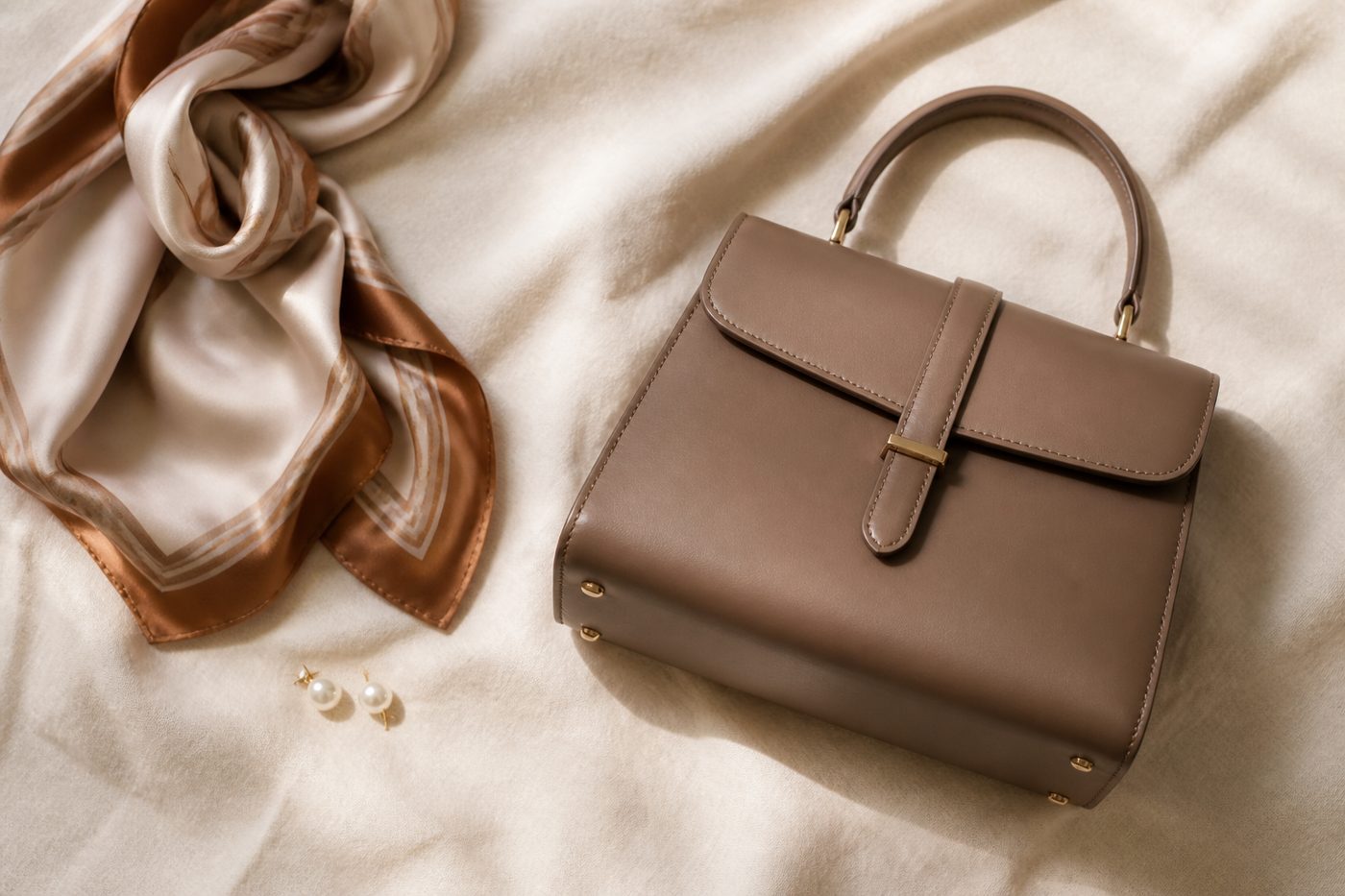
In fashion resale, condition can matter as much as the label. Two identical handbags can sell for very different amounts based on nothing more than corner wear and the state of the interior. Unlike coins or trading cards, fashion has no single universal grading authority — but the resale market has settled into fairly consistent conventions, and knowing them helps you describe your item accurately and understand where it sits.
How fashion condition is typically described
Most dealers, consignors, and marketplaces use a tiered vocabulary along these general lines:
- New / unworn: never used, often with tags, box, and protective plastic on hardware still in place.
- Like new / excellent: worn very lightly, with no flaws visible at arm's length.
- Very good: light, honest wear — minor corner rub, faint interior marks — nothing structural.
- Good: clearly used, with visible wear such as handle darkening, scuffs, or light staining, but fully usable.
- Fair / poor: significant flaws — heavy wear, damage, odor, or needed repairs — usually priced for restoration or parts.
Some resellers also use letter-style shorthand (such as grades running from N or S for pristine down through A, B, and C), a convention popularized in the Japanese secondhand luxury trade. These systems vary by seller, so a grade is only meaningful alongside detailed photos.
What gets inspected on handbags
Experienced buyers examine bags in a predictable order: corners and edges for rubbing and exposed base material; handles for darkening from hand oils; hardware for scratches, plating loss, and tarnish; the interior for pen marks, stains, and sticky or peeling linings; stitching for breaks; and the overall structure for slouching or creasing. On certain leathers, surface changes matter enormously — some coated canvases are durable while their leather trim darkens with age, and delicate lambskin shows pressure marks that stiffer leathers resist. Odor is a silent value killer: smoke and mildew are difficult to remove and buyers know it.
Vintage clothing has its own checklist
Garments are judged on fabric integrity first. Collectors look for moth holes in wool, underarm discoloration, splitting in aged silk (sometimes called shattering), fading along fold lines, missing buttons, replaced zippers, and alterations. Original, unaltered condition is generally preferred — a hemmed or taken-in couture piece loses some collector appeal even when the work is well done. Intact original labels matter, since labels help date and authenticate a garment.
Shoes, scarves, and small accessories
For designer shoes, sole wear, heel condition, toe scuffs, and interior lining wear drive the grade; unworn pairs with original boxes sit in a different tier from even lightly worn examples. Silk scarves are checked for pulls, snags, stains, and washed-out color, with crisp hand-rolled edges a good sign of careful ownership. Belts and small leather goods show wear at buckle holes, fold points, and edges.
Restoration: help or harm?
Professional cleaning, edge repainting, and hardware polishing can improve presentation, and reputable restoration is common in the handbag world. But the market usually distinguishes restored from original condition — color-touched corners or replaced linings should be disclosed, and heavily restored pieces tend to trade below clean untouched examples. For rare collector pieces, over-restoration can hurt more than honest wear.
Condition and desirability
The condition premium is steepest at the top: the gap between excellent and very good is often wider than the gap between good and fair, because collectors compete hardest for the cleanest examples. Rare pieces are somewhat more forgiving — a scarce model in worn condition can still find eager buyers — while common models rely heavily on condition to stand out.
When you photograph an item for an instant estimate on Appraiser.AI, capturing corners, hardware, interior, labels, and any flaws helps the AI give a more useful starting-point figure. Since condition grading ultimately requires handling the item, confirm any significant valuation with a qualified professional appraiser before insuring, selling, or settling an estate.