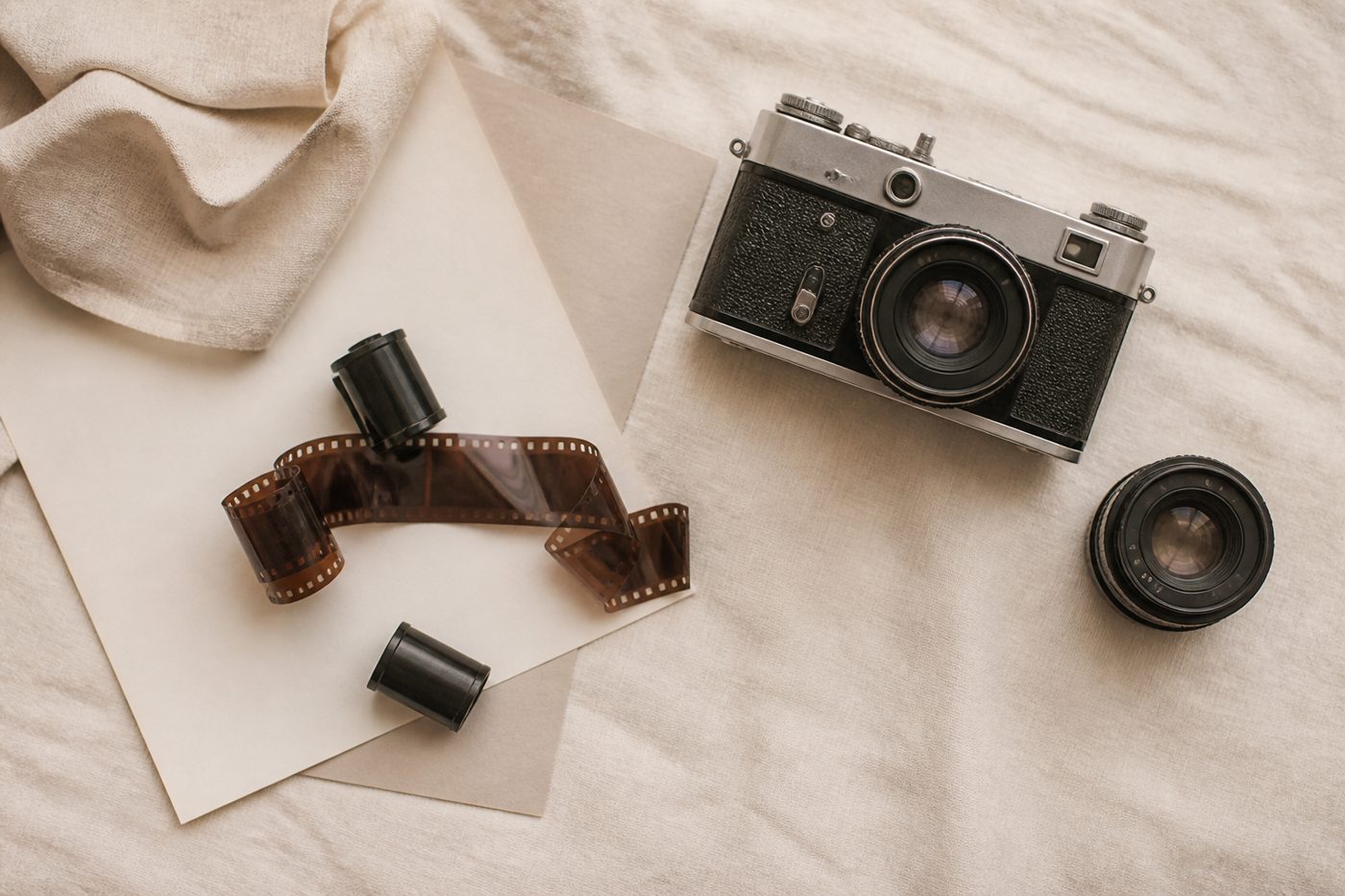
Two cameras that look nearly identical can be valued very differently, and the reasons are usually knowable: a production variant, a lens pairing, a working shutter, an original box. Understanding the factors below will help you photograph your equipment well, interpret any estimate sensibly, and ask the right questions before you sell or insure.
Maker and model
The manufacturer is often the first thing collectors ask about. Names like Leica, Hasselblad, Rolleiflex, Nikon, and Contax carry strong collector followings, but the model matters as much as the brand. Within a single maker's catalog, one model can be a common workhorse while another — produced briefly, in small numbers, or for a special market — is keenly sought. The same is true of lenses: certain fast primes and early optical designs tend to attract far more interest than the standard kit lenses sold alongside them.
Rarity and variants
Production numbers matter, but so do variants within a model run. Collectors often care about details invisible to casual owners: engraving styles, serial number ranges, military or export markings, unusual finishes such as black paint on models normally sold in chrome, and factory prototypes. A small mechanical or cosmetic difference can separate an ordinary example from a scarce one, which is why unusual markings are worth photographing clearly.
Condition and working order
Cameras are machines, and mechanical health is a major value driver. A rangefinder with an accurate shutter and clear viewfinder tends to be worth considerably more than the same model with a sticky shutter or dim patch. For lenses, haze, fungus, scratches, and balsam separation can sharply reduce desirability, while clean glass and smooth focus tend to support it. Cosmetic wear matters too, though some collectors accept honest "brassing" on a professional camera that clearly earned it.
Completeness and originality
Original boxes, caps, hoods, cases, manuals, and matching-serial packaging can meaningfully raise interest, especially for collectible models. Originality cuts the other way as well: replaced leatherette, non-original parts, or amateur repairs often reduce appeal. A documented professional service (a recent "CLA" — clean, lubricate, adjust) is generally viewed positively, since it suggests the camera works as intended.
Age and historical significance
Older is not automatically better. Millions of mid-century box cameras survive and tend to trade modestly, while some much newer limited-production cameras attract strong demand. What tends to matter is significance: cameras that introduced an important technology, defined an era of photojournalism, or were produced during a notable period often carry weight beyond their age alone.
Demand and usability
Camera values follow trends in actual use. Renewed interest in shooting film and instant photography has, at times, lifted demand for usable medium format cameras, well-regarded SLRs, and working Polaroid models that accept currently available film. Lenses that adapt easily to modern digital bodies can also see demand from photographers rather than collectors. These currents shift, so a category that is quiet today may not stay that way — and vice versa.
Provenance
Documented history can add appeal: a camera with credible ties to a known photographer, expedition, press agency, or military unit may interest collectors beyond the object itself. Provenance needs supporting evidence — paperwork, period photos, engravings — and unverified stories generally add little.
Putting it together
No single factor decides value; a rare model in poor, incomplete condition can trail a common model in superb original condition. Appraiser.AI's instant AI-powered estimate weighs what is visible in your photos and is a useful starting point, but it is not an official valuation — before making financial decisions, have the equipment examined by a qualified professional appraiser who can verify function, originality, and authenticity.