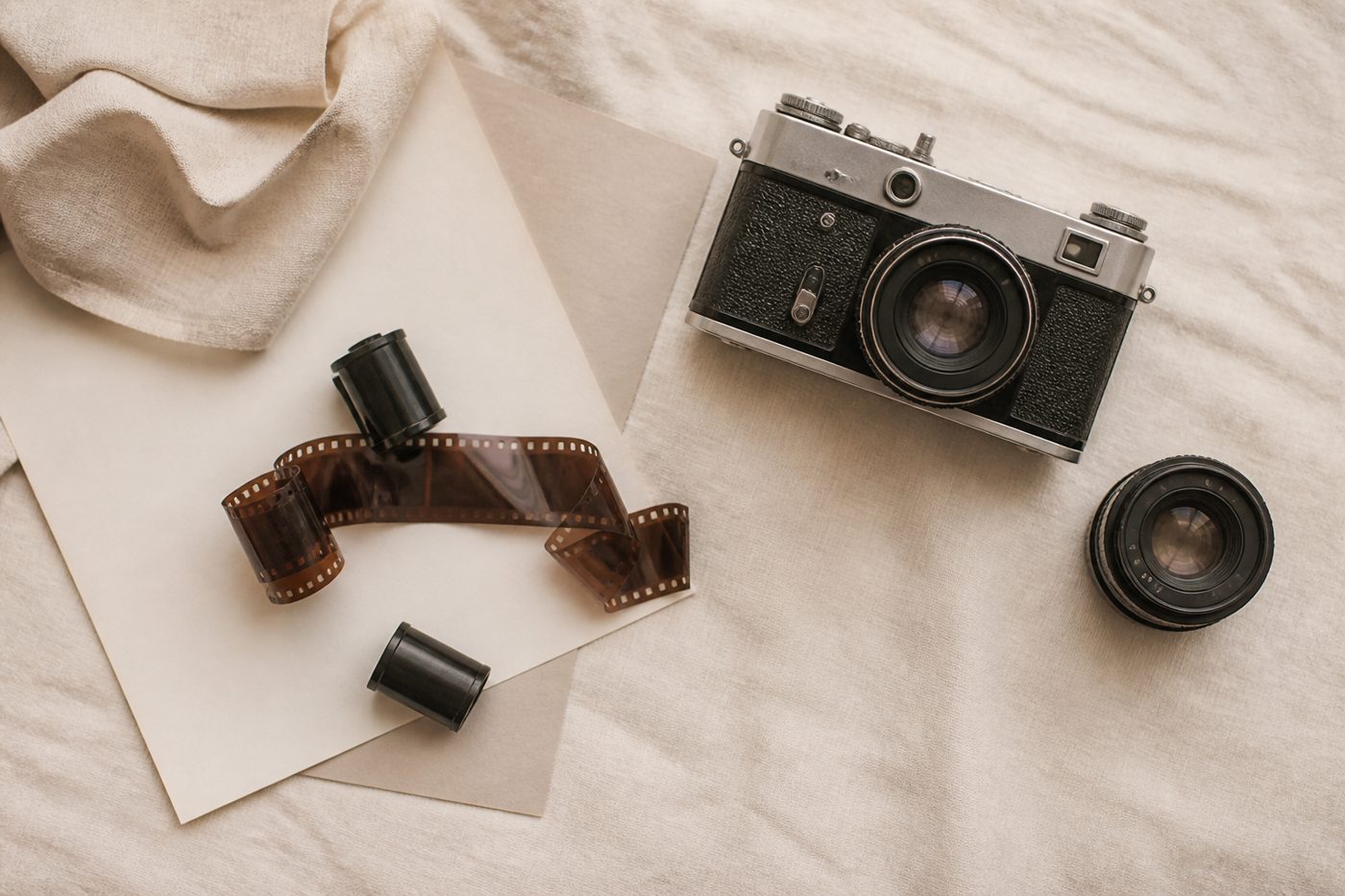
Condition can matter more in cameras than in almost any other collecting category, because most buyers want equipment that either works or could work after service. A camera is judged twice: once on how it looks, and once on how it functions — and the two do not always agree. A pristine-looking body can hide a dead shutter, while a scuffed professional camera can be mechanically excellent.
How camera condition is assessed
A thorough assessment covers three layers:
- Cosmetics: wear to paint or chrome ("brassing"), dents, lifting leatherette, corrosion, engravings worn smooth, and signs of moisture exposure.
- Mechanics: shutter firing at all speeds (slow speeds often fail first), film advance and rewind, self-timer, aperture blades snapping cleanly, focus helicoids turning smoothly, and — on rangefinders — an aligned, contrasty focusing patch.
- Optics: lenses checked with a light source for scratches, internal haze, fungus filaments, dust, balsam separation at the element edges, and oil on the aperture blades.
Battery compartments deserve special attention, since old leaking cells can corrode contacts and disable metering. On instant cameras like vintage Polaroids, rollers, ejection mechanisms, and film-door seals are the usual failure points.
Common condition issues
Some faults are routine and serviceable; others are close to fatal for value. Deteriorated light seals and sluggish slow shutter speeds are common on decades-old cameras and can often be corrected in a standard service. Fungus etched into lens coatings, severe haze, deep dents, and heavy internal corrosion are far harder to remedy, and buyers tend to discount accordingly. Amateur repair attempts — mismatched screws, marred slots, resealed coverings — often worry collectors more than honest wear does.
Grading conventions in this category
Unlike coins or trading cards, cameras have no single universal grading scale or third-party slabbing service. Instead, the used-camera trade has long relied on dealer-style condition tiers, typically running from "Mint" or "Like New" through "Excellent," "Very Good," "Good," and down to "As-Is / For Parts." Some dealers use numeric or lettered versions of the same idea. Two conventions are worth knowing:
- "Mint" is used strictly. In camera circles it implies essentially no visible wear, so honest sellers often say "Excellent+" for a very clean used example rather than overclaiming.
- Cosmetic grade and function are stated separately. "Excellent cosmetically, shutter not firing, sold as-is" is a normal and expected description.
Because these grades are applied by individual sellers rather than an independent authority, the same word can mean different things from different sources — one reason detailed photos matter more than adjectives.
What collectors look for
Beyond basic function, collectors tend to prize originality and honesty. Original finish with light, even wear often appeals more than a heavy-handed restoration or repaint; on certain models, a non-original repaint can substantially reduce collector interest. Matching accessories, intact serial numbers, unpolished engravings, and evidence of careful storage all support desirability. Documentation of a recent professional service is a plus, since it converts "probably works" into "known working."
Condition and desirability
The gap between grades tends to widen as rarity increases: for common cameras, only clean working examples attract much attention, while for genuinely rare models even impaired examples find buyers, though at a marked discount. Non-working common cameras often trade mainly as display pieces or parts donors.
Photographing condition for an estimate
When using appraiser.ai for an instant AI-powered estimate, shoot in good light: all sides of the body, the lens front and rear elements, the film chamber, battery compartment, serial numbers, and any accessories. The AI can read visible condition and identify the model as a helpful starting point, but it cannot fire the shutter or peer through the glass — so before insuring or selling, have condition and function verified by a qualified professional appraiser or experienced camera technician.