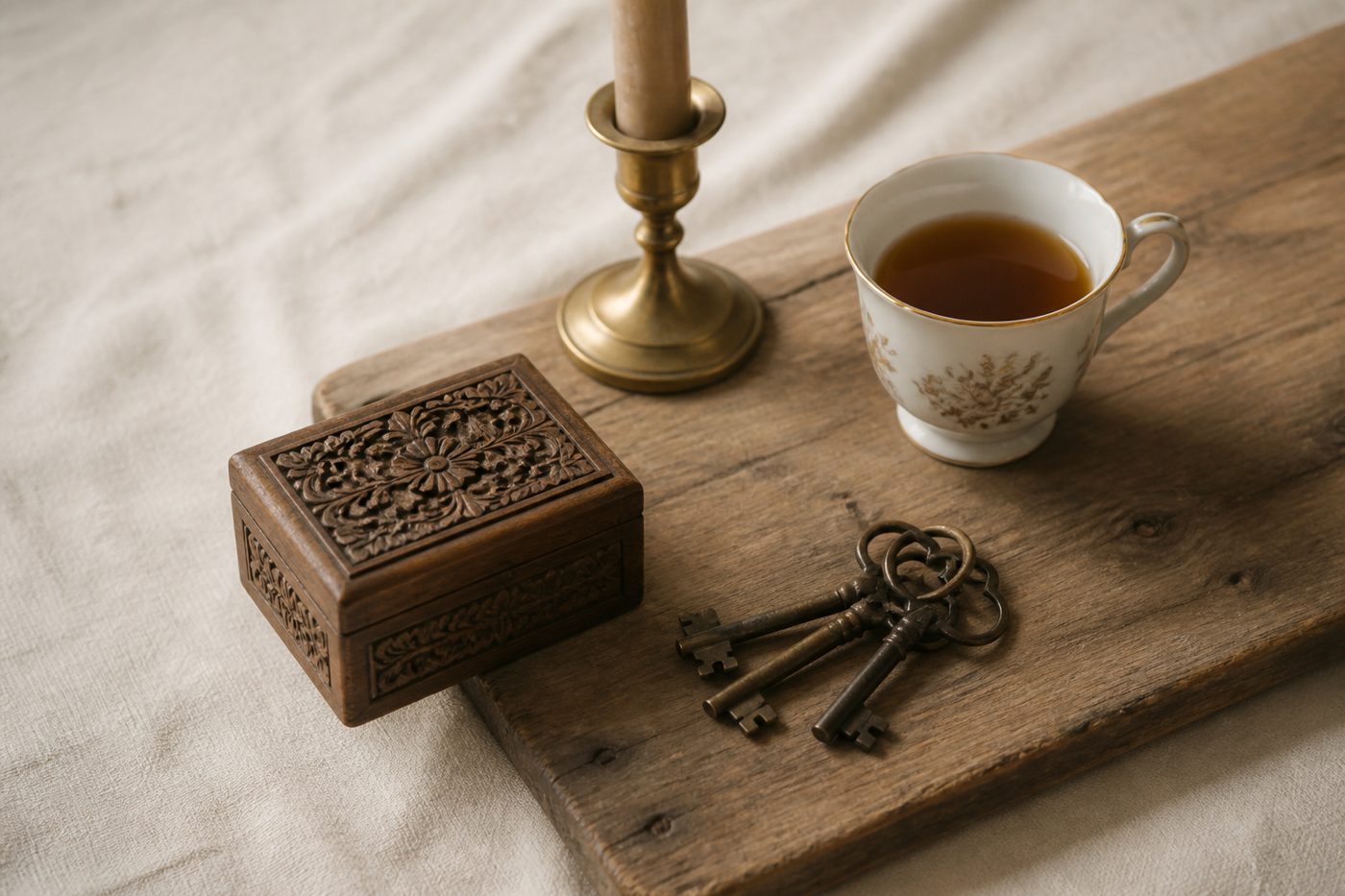
Antiques cover a broad sweep of collectible objects, generally items around a century old or more: Victorian and other period furniture, china and porcelain, vintage glass, mantel and longcase clocks, sterling and silverplate, and folk art. Whether a piece surfaced during an estate cleanout or has sat in the family for generations, the first question is usually the same — is this actually worth something?
Why people get antiques appraised
Most appraisal requests start with a practical trigger: settling an estate, downsizing a household, insuring a collection, or deciding whether a flea-market find deserves a closer look. An informed estimate helps you decide what to keep, insure, sell, or simply enjoy without second-guessing.
What an AI estimate can and cannot tell you
Appraiser.AI gives instant AI-powered estimates from your photos — a fast way to learn what kind of object you likely have, what features tend to matter, and a rough sense of the value range similar pieces often fall into. It is a starting point, not an official valuation. Photos alone cannot confirm authenticity, detect skilled restoration or reproduction, verify maker's marks under magnification, or account for provenance documents that can meaningfully change what a piece is worth.
The bottom line
Use an AI estimate to triage — to figure out which pieces merit real attention. For insurance coverage, estate settlement, tax purposes, or a significant sale, always have the item examined in person by a qualified professional appraiser before making financial decisions.