AI Appraisal Estimate

AI-generated estimates · not official valuations

From the user

What was submitted

Photo and notes provided by the user — not generated by AI

Submitted item photo
Submitted photo · June 1, 2026

User's notes

No additional notes provided.

AI analysis below

AI appraisal

AI analysis & estimate

AI-Generated · Verify before acting

Everything below is generated by AI for informational purposes only. AI can make mistakes — the AI may misidentify items or misattribute them (artist, maker, brand, designer, origin, era). This is not an official valuation and should not be used for insurance, sale, tax, estate, legal, or lending purposes — or any decision requiring a certified appraisal. It is not an authoritative claim about any person, brand, or rights holder — do not share or rely on it as a factual statement about a third party. Always consult qualified professionals before making financial decisions.

Read the full disclaimer

AI Identification

·Not independently authenticated·Verify before acting

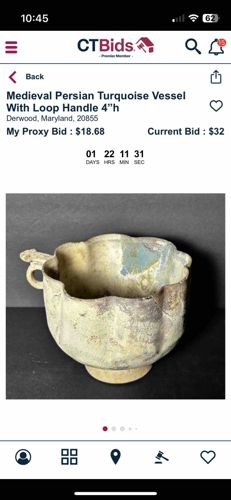
Medieval Persian Turquoise Vessel With Loop Handle

Ceramics/Pottery

AI Estimated Value

·Not an official valuation·Verify before acting

$400 - $600

As of June 1, 2026

AI Item Analysis

·AI can make mistakes·Verify before acting
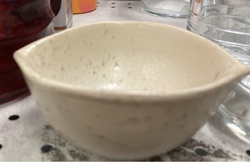
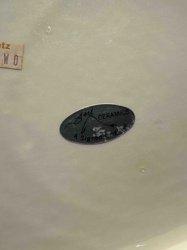
This is a Medieval Persian Turquoise Vessel, approximately 4 inches in height. The vessel appears to be made of ceramic or pottery, exhibiting a distinctive scalloped or lobed exterior form, contributing to its organic and visually appealing silhouette. The primary color observed is a muted, pale green or beige, which is likely the aged appearance of the original turquoise glaze, as suggested by the item's title. Patches of a more vibrant, albeit faded, blue-green (turquoise) glaze are still visible, particularly on one side of the interior rim and within some of the sculpted indentations, indicating the original vibrant finish. The surface is heavily patinated and appears rough or pitted in areas, suggesting significant age and prolonged exposure to elements or burial. There is a small, simple loop handle attached near the rim on one side, which looks somewhat rudimentary in its construction, fitting with an ancient handcrafted origin. The craftsmanship suggests a hand-formed or wheel-thrown piece, given the slight irregularities and organic shaping. There are no clear manufacturer's marks or signatures discernible from the image. The overall condition shows considerable wear, crackling of the glaze, losses to the surface, and significant discoloration, all consistent with an artifact of medieval age. This extensive patina and surface degradation are expected for such an antique and contribute to its authenticity and historical character rather than indicating damage.
AI Appraisal Report

·AI can make mistakes·Verify before acting
Upon examination of the images provided, this vessel presents as a compelling example of Medieval Persian turquoise-glazed pottery, likely dating from the Seljuk or Ilkhanid period (c. 12th-14th century). The lobed form and degraded turquoise alkaline glaze are characteristic of wares produced in major ceramic centers like Kashan or Nishapur. The extensive crazing, pitting, and earthen incrustations are consistent with archaeological recovery and serve as strong visual indicators of authenticity. The simple loop handle and hand-formed nature further align with medieval production techniques. The market for Islamic art and antiquities, particularly ceramics, remains steady, with collectors valuing authentic, well-provenanced pieces. Comparable turquoise-glazed vessels from this period, even with significant condition issues, regularly appear at auction. However, the value is heavily contingent on a definitive authentication. The heavy patina and surface loss, while attesting to its age, detract from the aesthetic quality compared to more pristine examples, which can fetch several thousand dollars. The current piece's primary value lies in its historical and archaeological significance. It is crucial to note the limitations of a photographic assessment. Full authentication would require in-person examination to assess the weight, body material, and tooling marks. Furthermore, Thermoluminescence (TL) testing would be necessary to definitively confirm its age and rule out modern forgery. Without provenance documentation or scientific testing, any valuation must remain conservative and conditional.

Get your items appraised

Instant estimates of your treasures with AI-powered appraisals

Browse More Appraisals