AI Appraisal Estimate

AI-generated estimates · not official valuations

From the user

What was submitted

Photo and notes provided by the user — not generated by AI

Submitted item photo
Submitted photo · June 10, 2026

User's notes

No additional notes provided.

AI analysis below

AI appraisal

AI analysis & estimate

AI-Generated · Verify before acting

Everything below is generated by AI for informational purposes only. AI can make mistakes — the AI may misidentify items or misattribute them (artist, maker, brand, designer, origin, era). This is not an official valuation and should not be used for insurance, sale, tax, estate, legal, or lending purposes — or any decision requiring a certified appraisal. It is not an authoritative claim about any person, brand, or rights holder — do not share or rely on it as a factual statement about a third party. Always consult qualified professionals before making financial decisions.

Read the full disclaimer

AI Identification

·Not independently authenticated·Verify before acting

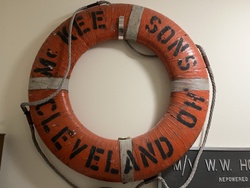
Vintage Ship's Wheel and Pedestal Salt and Pepper Shakers with Inset Compasses

Vintage Tableware and Nautical Collectibles

AI Estimated Value

·Not an official valuation·Verify before acting

$25 - $45

As of June 10, 2026

AI Item Analysis

·AI can make mistakes·Verify before acting
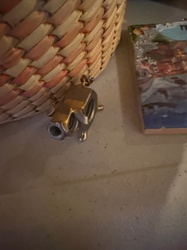
This is a pair of vintage novelty salt and pepper shakers designed in a nautical theme, likely dating from the mid-20th century (circa 1940s-1960s). Each shaker features a tapered cylindrical pedestal body made of brushed aluminum or pot metal, topped with a distinctive ship’s helm (steering wheel). The wheels appear to be made of a molded translucent plastic, possibly Bakelite or early Lucite, in a butterscotch or amber tone. A notable and unique feature of this set is the inclusion of small, functional-style inset compasses at the center of each wheel hub, which show cardinal directions (N, S, E, W). The shakers are distinguished by stylized cursive letters 'S' and 'P' embossed on the side of the metal pedestals for easy identification. The construction is a mix of metal and early plastics, showing typical craftsmanship for souvenir or household novelty items of the post-war era. Regarding condition, the pieces show evidence of age-appropriate patina and wear, specifically dulling and surface scratches on the metal finish, some possible oxidation or 'pitting' common to cast alloys, and yellowing of the compass faces. One base appears to have a darker, possibly corroded or stained rim compared to the other. There are no visible maker's marks on the exterior, though such marks are often located on the bottom stoppers, which are not visible here. The set represents a classic example of mid-century Americana kitchenware and maritime-themed collectibles.
AI Appraisal Report

·AI can make mistakes·Verify before acting
I have examined photographs of this vintage nautical-themed salt and pepper set, consisting of two metal pedestal bases surmounted by plastic ship's wheels with inset compasses. Based on the construction materials—primarily the likely pot metal or anodized aluminum bases and the amber-colored plastic wheels—I date this set to the mid-20th century, specifically the post-war era encompassing the late 1940s through the 1950s. The inset compasses are a charming, less common feature that elevates them above standard souvenir ware. Condition is a primary factor here. As noted, there is visible oxidation and pitting on the metal alloy, particularly along the bottom rims, which is characteristic of inexpensive white metal or 'pot metal' from this period when exposed to humidity or salt. The plastic wheels appear intact without major cracks, though the compasses show significant yellowing and clouding, likely rendering them non-functional or difficult to read. The 'S' and 'P' lettering remains distinct. The market for mid-century novelty shakers is niche but active. While widely collected, these items were mass-produced. Comparable sales for similar mixed-material nautical shakers generally fall in the $20 to $40 range, with premiums paid for pristine metal finishes or functioning compasses. This set's value is slightly suppressed by the surface corrosion. Authentication via images is generally reliable for this category of mass-market collectibles, as reproductions are rare due to low profit margins. However, an in-person inspection would be required to confirm the specific plastic type (e.g., testing for Bakelite via Simichrome or smell test) and to inspect the underside for maker's marks like 'Japan' or specific US manufacturers, which could slightly adjust the valuation.

Get your items appraised

Instant estimates of your treasures with AI-powered appraisals

Browse More Appraisals