AI identification & appraisal estimate

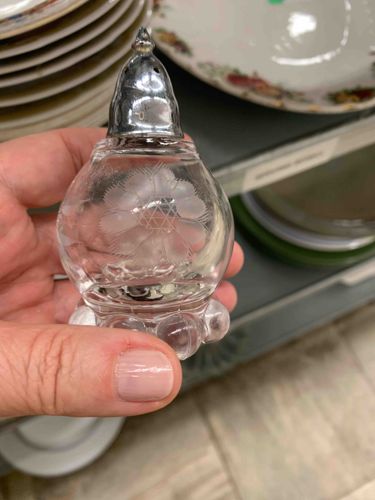
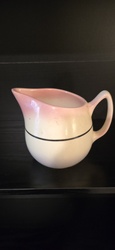
Etched Glass Sugar Shaker with Silver/Silver-Plated Lid

Submitted photo of Etched Glass Sugar Shaker with Silver/Silver-Plated Lid
Photo submitted by the user — not generated by AI

AI Estimated Value

Not an official valuation

$45 - $65

AI estimate as of July 30, 2025 · verify with a professional before acting

AI-Generated · Verify before acting

Everything on this page is generated by AI for informational purposes only. AI can make mistakes — the AI may misidentify items or misattribute them (artist, maker, brand, designer, origin, era). This is not an official valuation and should not be used for insurance, sale, tax, estate, legal, or lending purposes — or any decision requiring a certified appraisal. It is not an authoritative claim about any person, brand, or rights holder — do not share or rely on it as a factual statement about a third party. Always consult qualified professionals before making financial decisions.

Read the full disclaimer

AI Item Analysis

This item is a clear glass sugar shaker, also known as a sugar sifter or sugar castor, topped with a silver or silver-plated metal lid. The body of the shaker is made of transparent glass, exhibiting a well-polished and smooth surface. Its form is bulbous or ovoid in the main body, tapering slightly towards the neck where the lid is affixed, and expanding into a more defined base. The most striking decorative feature is the intricate etched or engraved floral pattern that adorns the glass body. This pattern appears to be a stylized flower with multiple petals, possibly a daisy or aster, surrounded by delicate foliage or geometric lines, specifically a prominent Star of David/hexagram shape at the center of the flower, suggesting a specific artistic influence or origin. The craftsmanship of the etching indicates a good level of detail and precision. The base of the shaker is unique, featuring three prominent glass 'feet' or 'balls' that elevate the body. These feet appear to be integrally formed with the base, suggesting a thoughtful design element for stability and aesthetic appeal. The metal lid, likely sterling silver or silver-plate given its reflective quality, has a classic dome shape with a finial at the very top. It is perforated with multiple small holes, typical for dispensing sugar. The silver shows some signs of tarnish and minor surface wear consistent with age and use, but no significant dents or damage are visible. The overall clarity of the glass suggests it is in good condition with no apparent chips, cracks, or significant cloudiness. The design with etched glass and metal top points towards a Victorian or Edwardian era aesthetic, possibly late 19th or early 20th century, though dating would require further investigation into specific manufacturing marks on the silver if present. The quality of both the glasswork and metalwork appears to be of a good standard.
AI Appraisal Report

Upon visual examination, this is a fine example of a late Victorian or Edwardian era (c. 1890-1910) glass sugar shaker, or castor, with a silver or silver-plated lid. The item appears to be in very good condition for its age. The glass body is clear with no obvious chips, cracks, or clouding. The three applied glass ball feet are a distinctive and desirable feature. The etched pattern, featuring a floral motif around a Star of David/hexagram, is particularly interesting and well-executed, suggesting skilled craftsmanship. The lid, likely silver-plate due to the lack of visible hallmarks, shows minor tarnish and surface wear consistent with age, but is free from major dents. The market for antique glassware of this type is steady. Comparable sugar shakers from this period, especially those with unique patterns or forms like the ball feet, typically sell in the range provided. The specific Star of David etching is unusual and could positively influence its value, potentially attracting collectors of Judaica as well as antique glass. Its rarity and decorative appeal are the primary value drivers. However, this appraisal is limited by the inability to conduct a physical inspection. A definitive authentication would require examining the lid for any maker's marks or hallmarks to confirm its material (sterling vs. plate) and manufacturer, which would significantly impact value. Furthermore, examining the glass under magnification could reveal manufacturer's signatures or details about the glassmaking technique (e.g., pressed vs. hand-blown) and confirm the method of decoration (etched vs. engraved), further refining its origin and value.

Keep exploring

More tableware/kitchenware appraisals

Get your items appraised

Instant AI-powered appraisal estimates from a photo

Browse More Appraisals