AI Appraisal Estimate

AI-generated estimates · not official valuations

From the user

What was submitted

Photo and notes provided by the user — not generated by AI

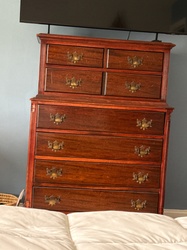
Submitted item photo
Submitted photo · June 1, 2026

User's notes

No additional notes provided.

AI analysis below

AI appraisal

AI analysis & estimate

AI-Generated · Verify before acting

Everything below is generated by AI for informational purposes only. AI can make mistakes — the AI may misidentify items or misattribute them (artist, maker, brand, designer, origin, era). This is not an official valuation and should not be used for insurance, sale, tax, estate, legal, or lending purposes — or any decision requiring a certified appraisal. It is not an authoritative claim about any person, brand, or rights holder — do not share or rely on it as a factual statement about a third party. Always consult qualified professionals before making financial decisions.

Read the full disclaimer

AI Identification

·Not independently authenticated·Verify before acting

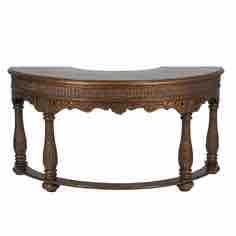
Carved Demi-Lune Console Table

Furniture

AI Estimated Value

·Not an official valuation·Verify before acting

$800 - $1,200

As of June 1, 2026

AI Item Analysis

·AI can make mistakes·Verify before acting
This is a substantial demi-lune, or half-moon, console table crafted from dark wood, likely oak or mahogany, given its color and apparent density. The table features a curved top surface with a plain, smooth finish that contrasts with the heavily carved apron and legs. The apron, directly beneath the tabletop, is elaborately carved with a repeating motif that appears to be a stylized floral or geometric pattern, possibly a dentil or egg-and-dart design integrated with foliate elements. Below this carved band, the apron transitions into a scalloped or undulating edge, further enhancing its decorative appeal. The table stands on four turned legs, which exhibit a baluster or bobbin turning style, tapering slightly towards the bottom. These legs are connected by a curved stretcher base, mirroring the demi-lune shape of the tabletop, adding stability and visual unity. The stretcher itself is simple and unturned. The overall aesthetic suggests a robust, antique or vintage piece, possibly dating from the late 19th to early 20th century, drawing inspiration from Baroque or Renaissance revival styles. There are no immediate visible signs of major damage, but a natural patina consistent with age and use is evident across the dark wood surface, suggesting its authenticity and long history. The craftsmanship appears to be of good quality, with defined carvings and solid construction, indicating a well-made piece designed for durability and aesthetic presence.
AI Appraisal Report

·AI can make mistakes·Verify before acting
Based on my visual examination of the Carved Demi-Lune Console Table, I assess its condition as good, consistent with its probable age. The natural patina on the dark wood surface suggests authenticity and indicates normal wear and tear rather than significant damage. The craftsmanship, particularly the defined carvings and solid construction, appears to be of good quality, reinforcing its antique or vintage status, likely late 19th to early 20th century. In terms of market conditions, demi-lune console tables with elaborate carving and robust construction maintain a steady demand within the antique and vintage furniture market. Comparables for such pieces typically range based on the intricacy of carving, wood type, and overall condition. The 'Baroque or Renaissance revival' style is generally sought after by collectors and interior designers looking for statement pieces with historical flair. Factors significantly impacting its value include the detailed carving work on the apron and the turned legs, which elevate it beyond simpler designs. Its substantial size and the unified design of the curved stretcher base also add to its appeal. There's a notable demand for such functional yet decorative antique furniture items, making this piece relatively desirable, although not inherently rare. My primary limitation in this appraisal is its reliance solely on images. While the visual cues strongly suggest authenticity, an in-person examination would be crucial to confirm the wood type definitively, assess the structural integrity, identify any repairs or restorations, and verify the carving methods (e.g., hand-carved vs. machine-assisted). Provenance documentation, such as original purchase receipts or family history, would further enhance authenticity and value. Scientific testing, such as carbon dating for the wood, is not typically performed for pieces of this era unless there's significant doubt about age, but it could provide conclusive evidence if needed.

Get your items appraised

Instant estimates of your treasures with AI-powered appraisals

Browse More Appraisals