AI Appraisal Estimate

AI-generated estimates · not official valuations

From the user

What was submitted

Photo and notes provided by the user — not generated by AI

Submitted item photo
Submitted photo · June 6, 2026

User's notes

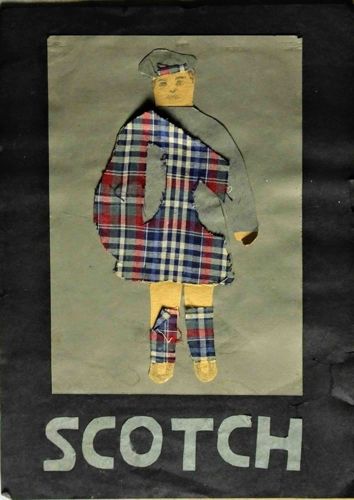
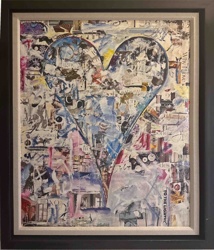
Unknown artist, artwork called scotch, size 2123 x 3000

AI analysis below

AI appraisal

AI analysis & estimate

AI-Generated · Verify before acting

Everything below is generated by AI for informational purposes only. AI can make mistakes — the AI may misidentify items or misattribute them (artist, maker, brand, designer, origin, era). This is not an official valuation and should not be used for insurance, sale, tax, estate, legal, or lending purposes — or any decision requiring a certified appraisal. It is not an authoritative claim about any person, brand, or rights holder — do not share or rely on it as a factual statement about a third party. Always consult qualified professionals before making financial decisions.

Note

This analysis also relies on unverified notes provided by the user, which may be incomplete or inaccurate and could affect the result.

Read the full disclaimer

AI Identification

·Not independently authenticated·Verify before acting

"Scotch" Fabric and Paper Collage Artwork

Folk Art / Mixed Media Collage

AI Estimated Value

·Not an official valuation·Verify before acting

$150 - $250

As of June 6, 2026

AI Item Analysis

·AI can make mistakes·Verify before acting
This is a mixed-media folk art collage titled "Scotch," featuring a stylized depiction of a figure in traditional Scottish highland attire. The artwork measure approximately 2123 x 3000 pixels (standard digital ratio) and is constructed on a dark black background with a grey central rectangular field. The central figure is rendered with tan-toned paper for the face and legs, featuring simple hand-drawn facial features. A significant portion of the figure is adorned with multi-colored tartan or plaid textile scraps in shades of blue, red, and white, applied to represent a kilt and elements of a sash. Fragments of the same fabric are used for the socks and a band on the cap. The collage includes typography at the base, with the word 'SCOTCH' rendered in blocky, light-colored cut-out paper letters. The overall condition shows characteristics of a handmade, vernacular piece. There are visible signs of wear consistent with age, including fraying at the edges of the fabric scraps and slight creasing or buckling of the paper substrate. Some loose threads are visible on the textile components, and the adhesives used may show some yellowing or loss of tack near the edges. The construction suggests a mid-20th-century origins, likely created as a student project or amateur folk art. The craftsmanship is rudimentary but intentional, emphasizing textile patterns over anatomical accuracy. There are no visible maker's marks or signatures on the front of the piece.
AI Appraisal Report

·AI can make mistakes·Verify before acting
I have examined the digital representation of the mixed-media collage titled 'Scotch.' This piece is a quintessential example of mid-20th-century vernacular or 'schoolroom' folk art. The construction utilizes found textile scraps and cut-out paper, a technique often seen in amateur craft during the 1940s-1960s. The condition appears fair; the visible fraying of the tartan fabric and the slight buckling of the substrate are consistent with age and the use of organic adhesives like mucilage or rubber cement. The lack of a signature suggests it was created for personal enjoyment or educational purposes rather than commercial sale. The market for anonymous, mid-century folk art remains steady but accessible. Comparables for unsigned, mixed-media textile collages of this size typically realize prices in the low hundreds at regional auctions or antique malls. The value is driven primarily by its 'shabby chic' aesthetic appeal and the charm of the Scottish theme rather than artistic pedigree. Rarity is high in the sense that it is a unique handmade object, but low in terms of historical significance or market demand. Significant limitations exist in this digital appraisal. I cannot verify the stability of the adhesives or the presence of hidden acid damage behind the mount. A physical examination is required to check for foxing, insect damage, or a signature on the reverse. For full authentication and valuation, I would need to inspect the paper's watermark and the fiber content of the tartan scraps to definitively confirm the mid-century date. Provenance documentation regarding the original owner or geographical origin would further clarify its historical context.

Get your items appraised

Instant estimates of your treasures with AI-powered appraisals

Browse More Appraisals