AI Appraisal Estimate

AI-generated estimates · not official valuations

From the user

What was submitted

Photo and notes provided by the user — not generated by AI

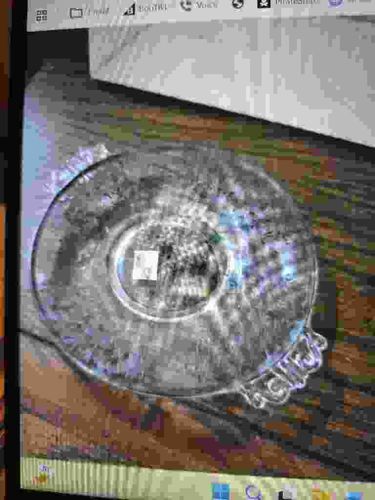
Submitted item photo
Submitted photo · June 6, 2026

User's notes

small 2 handle bon boneless with silver overlay

AI analysis below

AI appraisal

AI analysis & estimate

AI-Generated · Verify before acting

Everything below is generated by AI for informational purposes only. AI can make mistakes — the AI may misidentify items or misattribute them (artist, maker, brand, designer, origin, era). This is not an official valuation and should not be used for insurance, sale, tax, estate, legal, or lending purposes — or any decision requiring a certified appraisal. It is not an authoritative claim about any person, brand, or rights holder — do not share or rely on it as a factual statement about a third party. Always consult qualified professionals before making financial decisions.

Note

This analysis also relies on unverified notes provided by the user, which may be incomplete or inaccurate and could affect the result.

Read the full disclaimer

AI Identification

·Not independently authenticated·Verify before acting

Vintage Art Glass Two-Handled Bonbon Dish with Silver Overlay

Antique Glassware / Decorative Arts

AI Estimated Value

·Not an official valuation·Verify before acting

$45.00 - $85.00

As of June 6, 2026

AI Item Analysis

·AI can make mistakes·Verify before acting
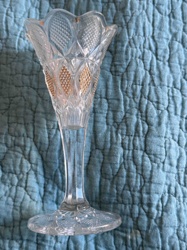
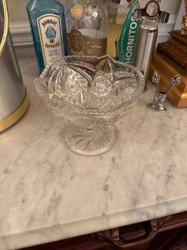
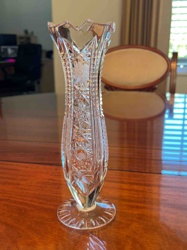
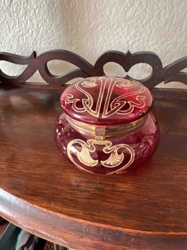
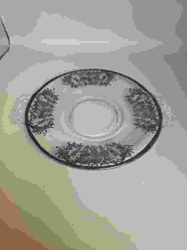
This item is a small, circular pressed or blown glass bonbon dish featuring two integral decorative handles. The glass appears clear with an intricate silver overlay decoration, likely sterling silver or high-grade silver plate, applied in a floral or scrollwork motif across the surface. The dish rests on a polished or ground base. In terms of physical characteristics, the handles are scallop-shaped or tab-like, extending from the rim and featuring textured glass patterns. The silver overlay is characteristic of the Art Nouveau or early Art Deco periods, approximately dating from the early to mid-20th century (c. 1910-1940). Notable features include the delicate metal-to-glass bonding which requires high craftsmanship. Regarding condition, there is visible heavy oxidation and tarnishing on the silver elements, which have darkened significantly over time. There is also a small, square white label or sticker residue visible in the center of the dish, possibly an old price tag or inventory marker. The glass itself seems intact without major fractures, though surface scratches consistent with age and use on the underside are likely. Many such pieces were produced by American companies like Silver City Glass or Rockwell Silver. This piece exhibits classic elegance with its combination of reflective metal and transparent glass.
AI Appraisal Report

·AI can make mistakes·Verify before acting
I have virtually examined this vintage two-handled bonbon dish featuring a sterling silver overlay on clear glass. Based on the floral scrollwork and handle morphology, this piece is likely of American origin, consistent with production by the Rockwell Silver Company or Silver City Glass, dating approximately 1920–1940. The craftsmanship represents a mid-market decorative art form popular in the early 20th century. Condition-wise, the glass remains structurally sound. However, the silver overlay shows heavy oxidation and tarnish, which obscures the original luster. While tarnish is removable, any 'silver loss'—where the thin deposit has lifted or worn away—would significantly decrease value. The presence of adhesive residue in the basin suggests recent handling in a secondary market context. Such pieces were mass-produced for the giftware market, making them relatively common today. Current demand for silver overlay is stable but modest, with collectors favoring colored glass (such as ruby or cobalt) over clear glass. My valuation reflects current auction and antique mall realized prices for clear-glass variants in similar condition. Limitations: This appraisal is based on photographic evidence only. I cannot verify if the silver is marked 'Sterling' or if it is a lower-grade plate without a physical inspection for hallmarks. A physical examination is required to check for micro-chips at the ground base and to ensure the silver-to-glass bond is not failing (no lifting or bubbling). For a definitive authentication, hallmarks must be identified and the silver content tested with an acid assay or XRF scan.

Get your items appraised

Instant estimates of your treasures with AI-powered appraisals

Browse More Appraisals