AI identification & appraisal estimate

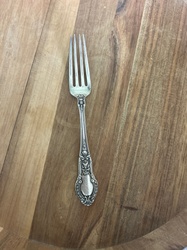
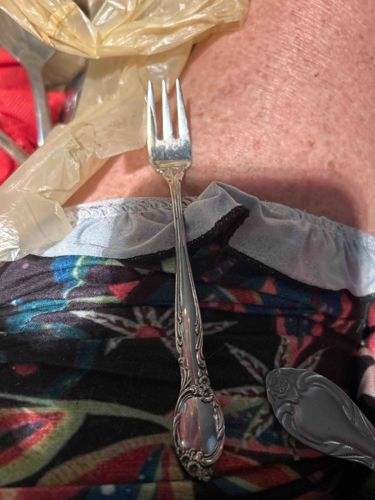
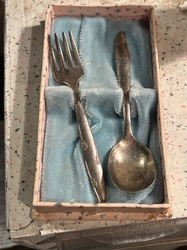
Three-Tined Ornate Dessert/Seafood Fork

Submitted photo of Three-Tined Ornate Dessert/Seafood Fork
Photo submitted by the user — not generated by AI

AI Estimated Value

Not an official valuation

$10-75

AI estimate as of July 30, 2025 · verify with a professional before acting

AI-Generated · Verify before acting

Everything on this page is generated by AI for informational purposes only. AI can make mistakes — the AI may misidentify items or misattribute them (artist, maker, brand, designer, origin, era). This is not an official valuation and should not be used for insurance, sale, tax, estate, legal, or lending purposes — or any decision requiring a certified appraisal. It is not an authoritative claim about any person, brand, or rights holder — do not share or rely on it as a factual statement about a third party. Always consult qualified professionals before making financial decisions.

Read the full disclaimer

AI Item Analysis

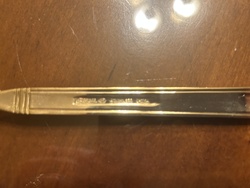
The item is a small, three-tined metal fork, likely a dessert or seafood fork given its size and prong count. Its physical characteristics indicate it is made of silver or a silver-plated alloy, exhibiting a metallic sheen with visible tarnish, especially around the base of the tines and within the decorative elements of the handle. The tarnish suggests it is either sterling silver or silver-plated, and not stainless steel. The handle features an ornate, scrolled design with a central oval cartouche, flanked by intricate floral and foliate motifs. This highly decorative style is characteristic of late 19th to early 20th-century Rococo Revival or Victorian-era patterns. The design on the handle is symmetrical, with raised relief work, demonstrating a good level of craftsmanship. The tines appear sturdy and are evenly spaced. Visible condition issues include significant tarnish, particularly on the tines and in the crevices of the handle's embellishments, indicating a need for cleaning. There are no obvious signs of bending, breaks, or significant wear to the prongs or handle contour, though surface scratches typical of use are likely present but not clearly discernible in the image. No specific manufacturer's marks or signatures are visible in the provided image; such marks are often found on the reverse side of the handle stem. The quality of the design and apparent material suggests it was part of a higher-end flatware set.
AI Appraisal Report

Upon visual examination of the provided image, this three-tined fork appears to be a dessert or seafood fork, consistent with late 19th to early 20th-century Rococo Revival or Victorian-era styling. The ornate scrolled handle with floral and foliate motifs suggests a higher-end silver or silver-plated item. The significant tarnish reinforces the likelihood of silver content rather than modern stainless steel. The design quality and raised relief work indicate good craftsmanship. Condition-wise, the tarnish is prominent; however, no obvious bends, breaks, or significant wear beyond what's expected for its age are discernible. Surface scratches, typical of use, are likely present but not visible. Authenticity: Based solely on the image, I cannot definitively confirm if it is sterling silver or silver-plated. This is a critical factor influencing value. The lack of visible manufacturer's marks or hallmarks (which are often on the reverse side of the handle) further limits an exact determination of origin or maker. Market Conditions and Demand: Vintage silver or silver-plated flatware, particularly individual pieces, generally sees moderate demand. Intricately designed pieces like this can fetch more from collectors or those seeking to complete sets. The overall market for antique silver is relatively stable, with specific patterns or makers commanding premiums. Factors Impacting Value: The primary factors are material (sterling vs. silver plate), maker, and condition. If sterling silver from a known manufacturer, its value would be significantly higher. If it's silver-plated, the value would be considerably lower. Limitations: A definitive appraisal requires physical examination to: 1) Verify material composition (e.g., acid testing for silver content); 2) Locate and identify any manufacturer's marks or hallmarks; 3) Assess overall wear, including micro-scratches and potential repairs not visible in the image. Provenance documentation (if available) would also aid in authentication. Without these, the appraisal is an educated estimate based on visual characteristics alone. Comparables: Similar ornate silver-plated forks typically sell for $10-$30. If confirmed sterling silver from a notable manufacturer, comparable single forks can range from $40-$100, depending on rarity and pattern.

Keep exploring

More flatware appraisals

Get your items appraised

Instant AI-powered appraisal estimates from a photo

Browse More Appraisals