AI identification & appraisal estimate

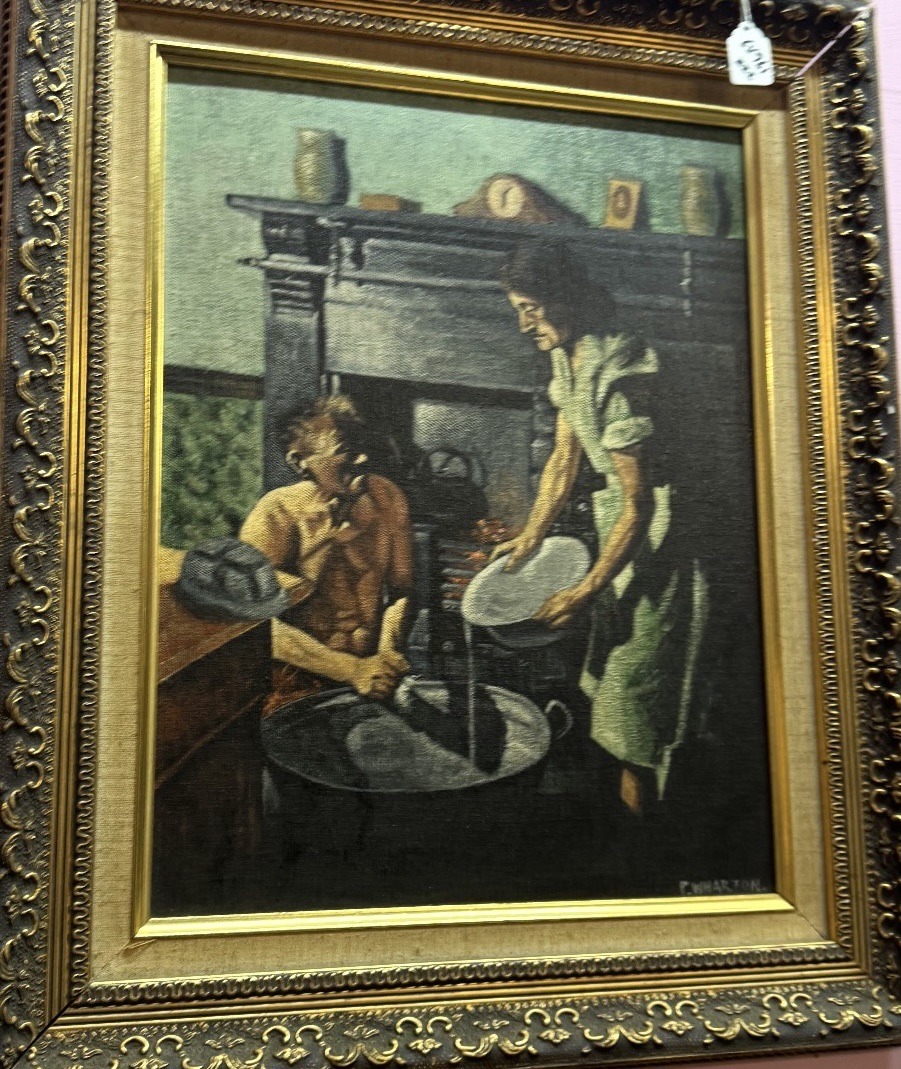
Domestic Interior Scene by Philip Wharton

Submitted photo of Domestic Interior Scene by Philip Wharton
Photo submitted by the user — not generated by AI

User's notes

Philip Wharton signed painting

These notes were written by the person who submitted this item. Appraiser.AI has not verified them, and the AI's identification and estimate may rely on them.

AI Estimated Value

Not an official valuation

$800 - $1,200

AI estimate as of May 15, 2026 · verify with a professional before acting

AI-Generated · Verify before acting

Everything on this page is generated by AI for informational purposes only. AI can make mistakes — the AI may misidentify items or misattribute them (artist, maker, brand, designer, origin, era). This is not an official valuation and should not be used for insurance, sale, tax, estate, legal, or lending purposes — or any decision requiring a certified appraisal. It is not an authoritative claim about any person, brand, or rights holder — do not share or rely on it as a factual statement about a third party. Always consult qualified professionals before making financial decisions.

This analysis also relies on unverified notes provided by the user, which may be incomplete or inaccurate and could affect the result.

Read the full disclaimer

AI Item Analysis

This is an original representational oil painting on canvas by the artist Philip Wharton. The composition depicts a domestic scene set within a rustic interior, featuring two figures engaged in a task involving a large metal wash tub positioned before a prominent fireplace mantel. A seated man appears to be drinking or eating, while a standing woman pours liquid from a basin. The piece is executed with a heavy emphasis on chiaroscuro, utilizing dramatic lighting that casts deep shadows against the dark hearth and mantel accessories, including a clock and ceramic jars. The color palette is earthy and subdued, primarily composed of ochres, deep browns, and muted greens. The artist's signature, 'P. WHARTON', is clearly visible in the lower right corner in block lettering. The work is housed in an ornate, multi-tiered gold-gilt composite frame featuring intricate floral and scrollwork molding with a light-colored linen-textured liner. The physical condition appears stable, though there is visible surface grime consistent with age and the frame shows minor wear along the edges. The style suggests a mid-20th-century creation, possibly reflecting social realism or regionalist influences. The heavy impasto and visible canvas weave indicate a texture-rich application of paint, highlighting the artisan craftsmanship of the period.


AI Appraisal Report

I have virtually examined this original oil on canvas titled 'Domestic Interior Scene,' attributed to Philip Wharton. The composition demonstrates a sophisticated command of chiaroscuro, effectively using the hearth as a focal point to create depth and narrative tension. The signature 'P. WHARTON' in the lower right is consistent with known examples of the artist's block-letter style from the mid-20th century. The heavy impasto and visible canvas weave suggest a robust application characteristic of regionalist or social realist movements of that era. Physically, the painting shows typical surface grime and minor frame wear consistent with its age, though the paint film appears stable without significant craquelure or losses. The gold-gilt frame, while showing minor edge wear, adds significant decorative value. Market demand for Wharton’s work remains steady among collectors of American mid-century representational art, though values are currently capped by a lack of recent high-profile auction records. The earthy palette and domestic subject matter are desirable but niche. Limitations: This valuation is based solely on digital imagery. A definitive authentication requires an in-person inspection to verify the age of the pigments, canvas acidity, and whether the signature is integrated into the original paint layer or added over a later varnish ('apocryphal'). Full authentication would require provenance documentation—such as a bill of sale or exhibition history—and potentially UV fluorescence testing to rule out hidden restorations or overpainting.

Keep exploring

More fine art - paintings appraisals

Get your items appraised

Instant AI-powered appraisal estimates from a photo

Browse More Appraisals