AI identification & appraisal estimate

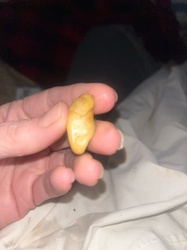
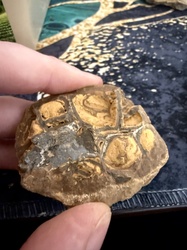
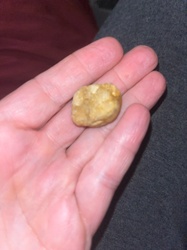
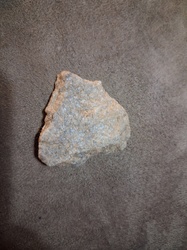
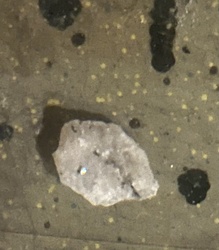
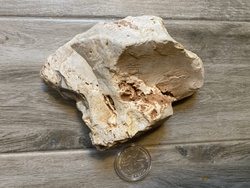
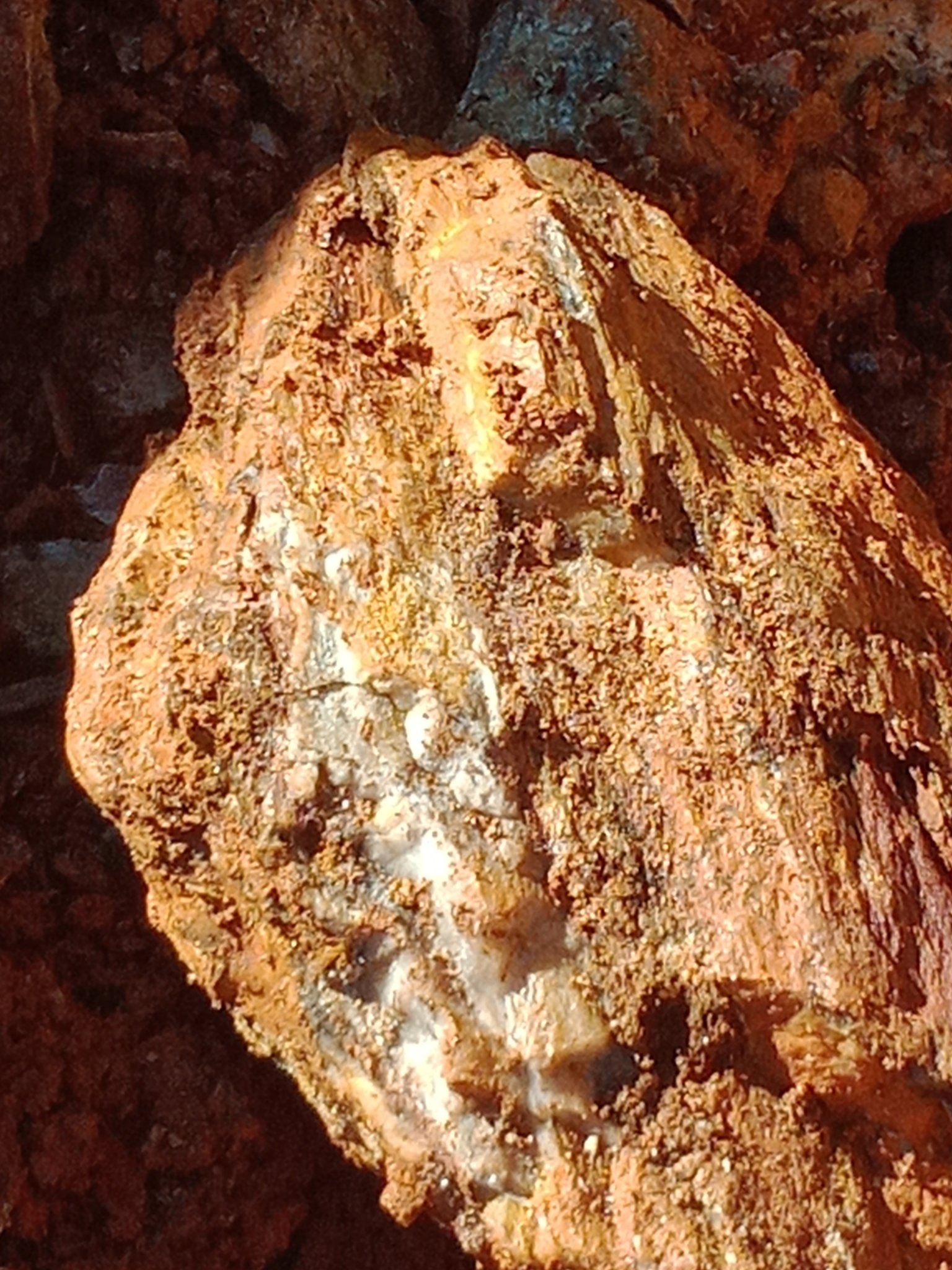
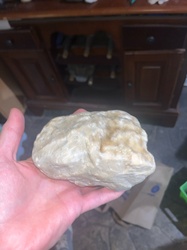
Geological mineral specimen with appearing quartz and iron oxides

Submitted photo of Geological mineral specimen with appearing quartz and iron oxides
Photo submitted by the user — not generated by AI

User's notes

gold and minerals deposit specimen found in Northeast Georgia. dug up from quartz vein known for gold discovery Weight: 42 lbs

These notes were written by the person who submitted this item. Appraiser.AI has not verified them, and the AI's identification and estimate may rely on them.

AI Estimated Value

Not an official valuation

$50 - $150

AI estimate as of May 31, 2026 · verify with a professional before acting

AI-Generated · Verify before acting

Everything on this page is generated by AI for informational purposes only. AI can make mistakes — the AI may misidentify items or misattribute them (artist, maker, brand, designer, origin, era). This is not an official valuation and should not be used for insurance, sale, tax, estate, legal, or lending purposes — or any decision requiring a certified appraisal. It is not an authoritative claim about any person, brand, or rights holder — do not share or rely on it as a factual statement about a third party. Always consult qualified professionals before making financial decisions.

This analysis also relies on unverified notes provided by the user, which may be incomplete or inaccurate and could affect the result.

Read the full disclaimer

AI Item Analysis

This item appears to be a large, irregular geological specimen with physical characteristics consistent with a raw mineral host rock. The specimen features a rough, textured surface with a prominent white crystalline vein running through the center, which is stylistically consistent with milky quartz. Around this vein, the rock shows heavy orange-brown and reddish-ochre staining, likely indicating the presence of iron oxides or limonite. The owner describes this as a 42 lb gold and minerals deposit from a quartz vein in Northeast Georgia, though these claims remain unverified without physical chemical testing or professional assays. Visually, the specimen shows significant surface weathering and adheres to a coarse, rubbly matrix. While the owner suggests the presence of gold, any metallic inclusions visible in the image could potentially be iron sulfides (such as pyrite) or other minerals typically found in high-iron geological environments. Due to the limitations of photography, the internal composition and metal content cannot be definitively identified; further testing for specific gravity or streak tests would be necessary for a full mineralogical profile. The craftsmanship is entirely natural, showing raw jagged edges and no signs of mechanical lapidary work.
AI Appraisal Report

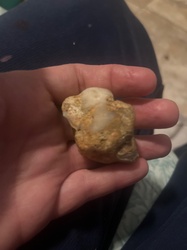
Based on my visual analysis of the provided image, this 42-pound specimen displays characteristics of an iron-stained quartz host rock. I can observe a prominent milky quartz vein and secondary mineralization consistent with limonite or hematite staining. Per user submission, the item is identified as a gold-bearing deposit from Northeast Georgia; however, I cannot verify the presence or concentration of precious metals through a photograph. The current estimate of $50-$150 reflects the value as a decorative geological specimen or 'yard rock.' If the owner's hypothesis regarding gold content is correct, the value would scale significantly based on a professional assay of the troy ounces of gold present. Without scientific testing like specific gravity analysis or a fire assay, the metallic-looking inclusions must be treated as potential iron sulfides like pyrite. The market for raw mineral specimens is driven by aesthetic appeal and mineral rarity. In its current unverified state, the piece is valued for its physical size and representative quartz structure. To move beyond this baseline value, a physical inspection by a mineralogist and a chemical assay are required to determine if the specimen contains recoverable gold. Should the weight be comprised solely of common quartz and iron-rich matrix without precious metal content, the value would remain at the lower end of the provided range. Conversely, if high-grade gold is confirmed, the value could increase into the thousands depending on the market price of gold.

Keep exploring

More rocks and minerals appraisals

Get your items appraised

Instant AI-powered appraisal estimates from a photo

Browse More Appraisals