AI Appraisal Estimate

AI-generated estimates · not official valuations

From the user

What was submitted

Photo and notes provided by the user — not generated by AI

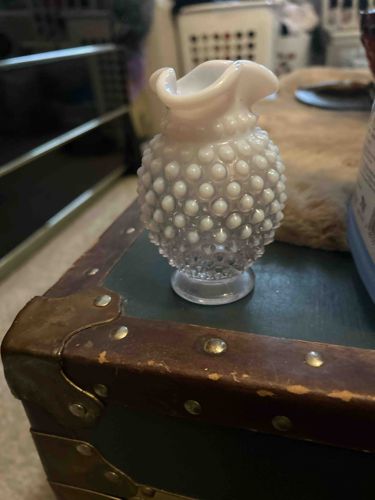
Submitted item photo
Submitted photo · June 17, 2026

User's notes

Glass vase

AI analysis below

AI appraisal

AI analysis & estimate

AI-Generated · Verify before acting

Everything below is generated by AI for informational purposes only. AI can make mistakes — the AI may misidentify items or misattribute them (artist, maker, brand, designer, origin, era). This is not an official valuation and should not be used for insurance, sale, tax, estate, legal, or lending purposes — or any decision requiring a certified appraisal. It is not an authoritative claim about any person, brand, or rights holder — do not share or rely on it as a factual statement about a third party. Always consult qualified professionals before making financial decisions.

Note

This analysis also relies on unverified notes provided by the user, which may be incomplete or inaccurate and could affect the result.

Read the full disclaimer

AI Identification

·Not independently authenticated·Verify before acting

Opalescent Hobnail Ruffled Rim Art Glass Vase

Decorative Glassware

AI Estimated Value

·Not an official valuation·Verify before acting

$25 - $45

As of June 17, 2026

AI Item Analysis

·AI can make mistakes·Verify before acting
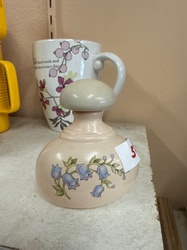
This is a small, decorative art glass vase, commonly known as a hobnail vase due to its distinctive surface texture. The vase features a semi-translucent, milky white (opalescent) glass body with a ruffled or crimped rim, adding an elegant touch to its design. The main body of the vase is adorned with an array of raised, rounded 'hobnails' that create a tactile and visually interesting pattern. The hobnails exhibit the characteristic opalescent glow, particularly evident where light interacts with the raised surfaces, making them appear whiter and more opaque against the more translucent background of the glass. The neck of the vase tapers slightly before flaring out into the ruffled rim. The base is a clear, circular pedestal, providing stability and contrasting with the textured body. The construction appears to be machine-pressed glass, a common method for producing hobnail patterns. While no specific maker's marks are visible, this style is strongly associated with manufacturers like Fenton Art Glass Company, especially from the mid-22th century onwards. The overall condition appears good, with no obvious chips, cracks, or repairs visible in the provided images. The piece exhibits a clean appearance, suggesting it has been well-maintained. Its small size indicates it may have served as a bud vase or simply a decorative accent piece. The design reflects a classic American art glass aesthetic from the mid-20th century.
AI Appraisal Report

·AI can make mistakes·Verify before acting
Upon visual examination of the images provided, this item is identified as a mid-20th century opalescent hobnail ruffled rim art glass vase. The overall condition appears to be very good, with no discernible chips, cracks, or signs of repair. The opalescence is consistent and well-distributed, and the ruffled rim is uniform, which speaks to good manufacturing quality. This hobnail style was popularized by several American glass companies, most notably Fenton, but also Anchor Hocking and Westmoreland. The absence of a visible maker's mark is a significant factor in determining value; Fenton pieces from this era are often, but not always, marked. Without a mark, it is difficult to definitively attribute it to a specific, more collectible manufacturer. The market for mid-century American pressed glass is stable, with consistent collector demand. Comparable unmarked opalescent hobnail vases of this size and form typically sell in the $25 to $45 range in online marketplaces and at antique shops. The value is primarily driven by its decorative appeal and good condition rather than rarity. Full authentication would require in-person examination to search for faint or acid-etched maker's marks, feel the quality of the glass, and check for any subtle signs of wear or damage not visible in photos. Examining the pontil mark or base wear could provide further clues to its age and origin.

Get your items appraised

Instant estimates of your treasures with AI-powered appraisals

Browse More Appraisals