AI Appraisal Estimate

AI-generated estimates · not official valuations

From the user

What was submitted

Photo and notes provided by the user — not generated by AI

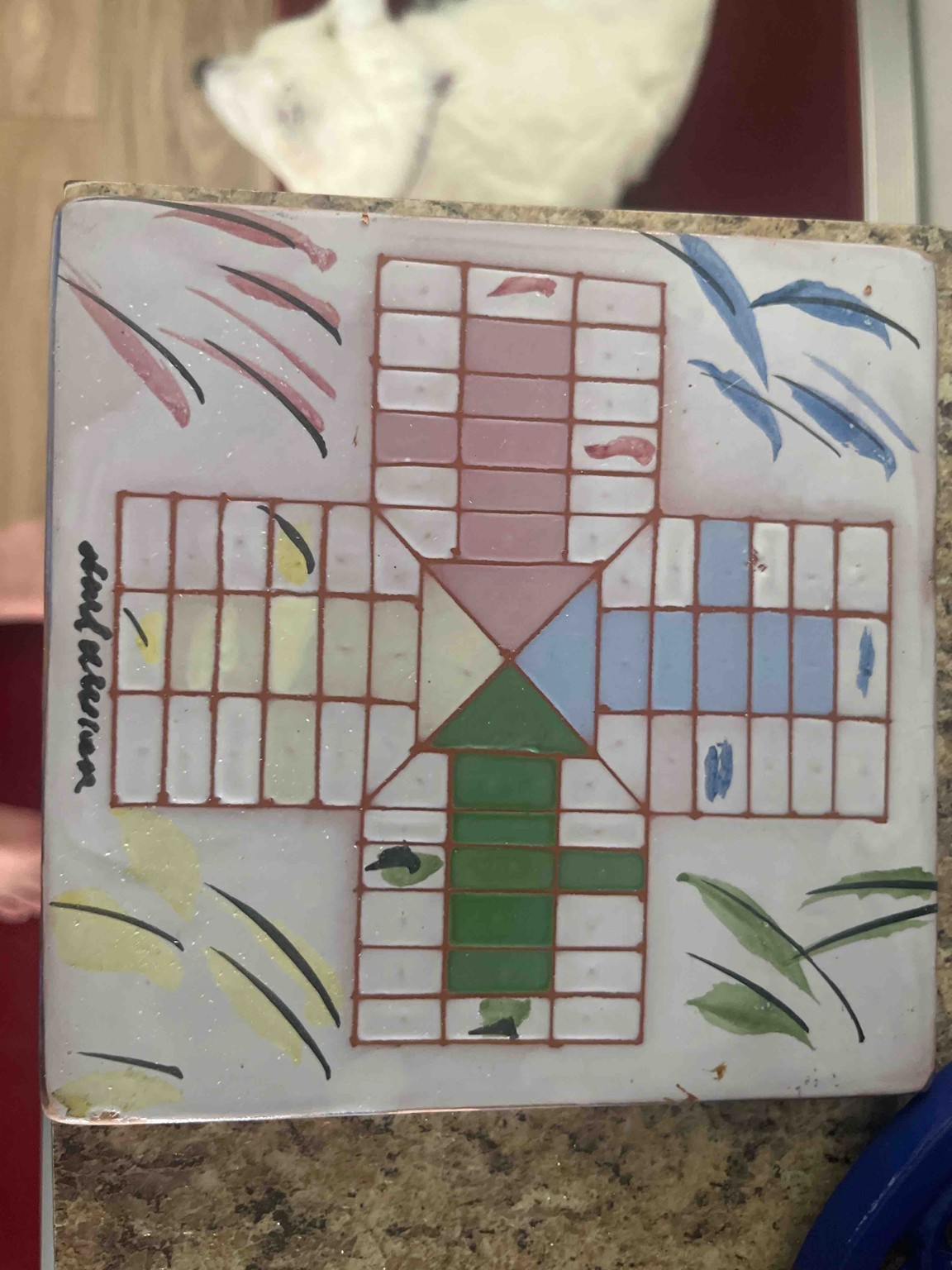
Submitted item photo
Submitted photo · May 26, 2026

User's notes

No additional notes provided.

AI analysis below

AI appraisal

AI analysis & estimate

AI-Generated · Verify before acting

Everything below is generated by AI for informational purposes only. AI can make mistakes — the AI may misidentify items or misattribute them (artist, maker, brand, designer, origin, era). This is not an official valuation and should not be used for insurance, sale, tax, estate, legal, or lending purposes — or any decision requiring a certified appraisal. It is not an authoritative claim about any person, brand, or rights holder — do not share or rely on it as a factual statement about a third party. Always consult qualified professionals before making financial decisions.

Read the full disclaimer

AI Identification

·Not independently authenticated·Verify before acting

Hand-Painted Ceramic Parcheesi Game Tile

Decorative Arts / Games

AI Estimated Value

·Not an official valuation·Verify before acting

$150-250

As of May 26, 2026

AI Item Analysis

·AI can make mistakes·Verify before acting
This item is a decorative square ceramic tile featuring a hand-painted game board design, specifically patterned after the traditional cross-and-circle game Parcheesi (Ludo). The tile appears to be approximately 6 to 8 inches square, crafted from a white glaze-coated ceramic material with a smooth, glossy finish. The design is rendered in a folk-art or whimsical style, utilizing a palette of pastel pink, blue, yellow, and a vibrant forest green. The board layout is hand-drawn with thin terracotta-colored outlines that vary slightly in thickness, indicating manual application. Each quadrant of the cross is accented with stylized feather or leaf motifs in the corners that correspond to the player colors. A notable feature is the handwritten script on the left margin, which appears to be a signature or a mark of the artist, though it is stylized and difficult to decipher completely. The condition shows minor signs of age and wear, including small chips along the bottom and left edges of the tile, revealing the underlying clay body. There is some slight surface craquelure visible in the glaze, which suggests mid-20th-century production. The craftsmanship is charmingly irregular, prioritizing a handcrafted aesthetic over industrial precision.
AI Appraisal Report

·AI can make mistakes·Verify before acting
I have carefully examined the provided images of this hand-painted ceramic Parcheesi game tile. The piece measures approximately 6 to 8 inches and exhibits the stylistic markers of mid-20th-century artisan craft. The glaze displays a localized craquelure consistent with age, and the manual application of the terracotta-colored outlines suggests a boutique or studio production rather than mass-market industrial manufacturing. The palette and 'folk-art' motifs place it within a niche market for decorative gaming memorabilia. Condition-wise, I noted several small chips along the periphery which expose the terracotta clay body. While these detract slightly from the aesthetic perfection, they lend a sense of authenticity and historical utility to the object. The market for vintage game-related decor is currently stable, with 'cross-and-circle' variants like Parcheesi appealing strongly to collectors of board game history and Americana. Comparables for signed artisan tiles of this era typically fall within the low-to-mid hundred-dollar range, depending on the prominence of the artist. A significant factor impacting value is the undeciphered signature. If definitively attributed to a known ceramicist of the mid-century period, the value could appreciate. However, based on visual inspection alone, certain technical aspects remain unverified. A physical examination is required to determine the exact composition of the clay and the depth of the glaze to rule out modern reproductions. Full authentication would necessitate provenance documentation, such as a gallery receipt or family history, and perhaps a spectroscopic analysis of the pigment to confirm the period of production. This appraisal serves as an estimate based on visual characteristics and should not be used as a definitive certificate of authenticity.

Get your items appraised

Instant estimates of your treasures with AI-powered appraisals

Browse More Appraisals