AI Appraisal Estimate

AI-generated estimates · not official valuations

From the user

What was submitted

Photo and notes provided by the user — not generated by AI

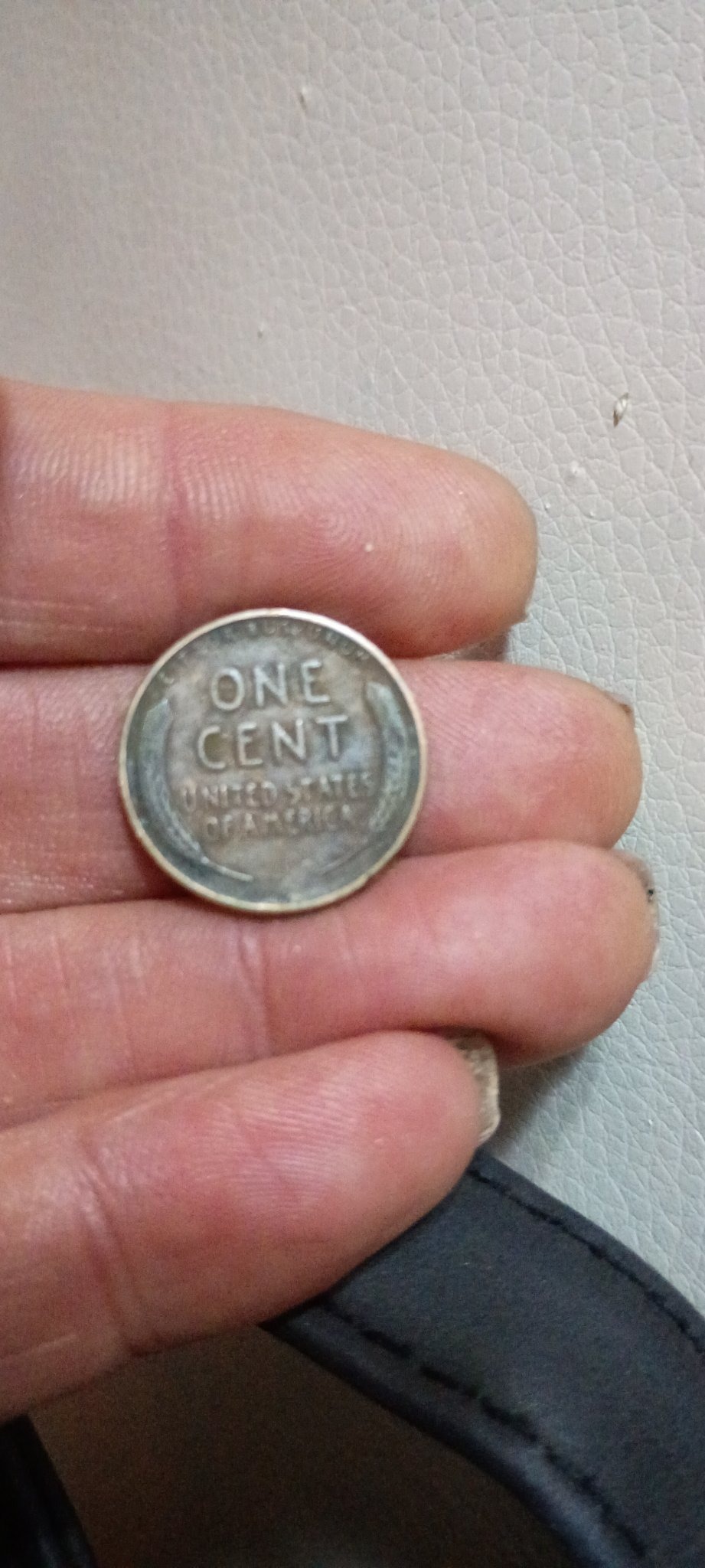
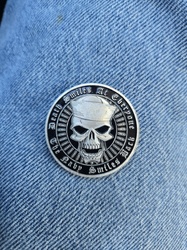
Submitted item photo
Submitted photo · July 12, 2026

User's notes

Category: Coin us penny 1940

AI analysis below

AI appraisal

AI analysis & estimate

AI-Generated · Verify before acting

Everything below is generated by AI for informational purposes only. AI can make mistakes — the AI may misidentify items or misattribute them (artist, maker, brand, designer, origin, era). This is not an official valuation and should not be used for insurance, sale, tax, estate, legal, or lending purposes — or any decision requiring a certified appraisal. It is not an authoritative claim about any person, brand, or rights holder — do not share or rely on it as a factual statement about a third party. Always consult qualified professionals before making financial decisions.

Note

This analysis also relies on unverified notes provided by the user, which may be incomplete or inaccurate and could affect the result.

Read the full disclaimer

AI Identification

·Not independently authenticated·Verify before acting

One-cent coin in the Lincoln Wheat Ear style

Coins

AI Estimated Value

·Not an official valuation·Verify before acting

$0.05 - $0.25

As of July 12, 2026

AI Item Analysis

·AI can make mistakes·Verify before acting
This item is a circular metal token or coin being held by a user, displaying the reverse side typical of United States small cents minted during the early-to-mid 20th century. The reverse features two stalks of wheat flanking the central text, which is a design consistent with the 'Wheat Penny' series. The visible text reads "ONE CENT" in large block letters, followed by "UNITED STATES OF AMERICA". Above the central text, the Latin phrase "E PLURIBUS UNUM" is discernible along the upper rim. The owner identifies this as a 'us penny 1940', though the obverse face containing the date is not visible in the provided image to verify this claim. The coin appears to be made of a copper-based alloy, though it exhibits significant surface darkening, toning, and possible environmental oxidation that obscures the original luster. The striking of the letters appears moderately worn, particularly on the 'T' and 'E' of 'CENT' and across the 'E PLURIBUS UNUM' motto, which is consistent with a circulated piece of currency. No specific mint marks are visible on this side of the coin, which is standard for this design. Without physical inspection, the material composition and specific year of manufacture remain unverified hypotheses based on visual stylistic indicators.
AI Appraisal Report

·AI can make mistakes·Verify before acting
Based on the provided image, I have examined the reverse of a circular copper-toned coin consistent with the United States 'Wheat Ear' penny design. The owner identifies this as a 1940 US penny; however, since the obverse face is not visible, I cannot verify the date, mint mark, or the presence of the Lincoln portrait. The reverse displays 'ONE CENT' and 'UNITED STATES OF AMERICA' flanked by wheat stalks, with 'E PLURIBUS UNUM' along the rim. I observe significant surface darkening and wear, which I would characterize as a circulated, average-to-low grade condition. I cannot verify the metal composition or weight from a photo. Assuming the user's identification of a 1940 date is correct, this year saw high mintage numbers, making the coin relatively common in the numismatic market. The estimated value reflects a typical circulated specimen of this era. Should the coin be a rarer variety or in an uncirculated state—which I cannot determine here—the value could increase slightly, though generally not exceeding a few dollars for this specific year. Conversely, if it is a common 1940 Philadelphia strike in this worn condition, it typically trades at a nominal premium over face value. To establish a more precise valuation, a physical inspection by a numismatic expert would be required to grade the coin according to industry standards, verify the date and mint mark on the obverse, and rule out any environmental damage that might further decrease its marketability. In its current state, it remains a common historical curiosity rather than a high-value collector's piece.

Get your items appraised

Instant estimates of your treasures with AI-powered appraisals

Browse More Appraisals