AI Appraisal Estimate

AI-generated estimates · not official valuations

From the user

What was submitted

Photo and notes provided by the user — not generated by AI

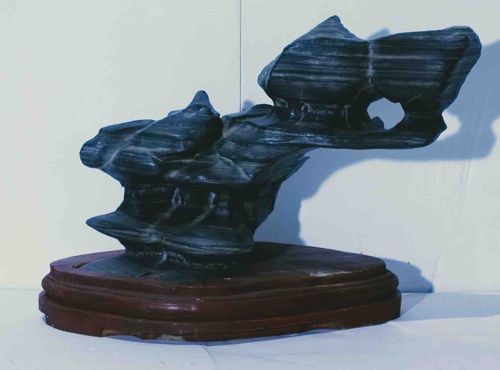
Submitted item photo
Submitted photo · June 22, 2026

User's notes

Unknown artist, untitled sculpture

AI analysis below

AI appraisal

AI analysis & estimate

AI-Generated · Verify before acting

Everything below is generated by AI for informational purposes only. AI can make mistakes — the AI may misidentify items or misattribute them (artist, maker, brand, designer, origin, era). This is not an official valuation and should not be used for insurance, sale, tax, estate, legal, or lending purposes — or any decision requiring a certified appraisal. It is not an authoritative claim about any person, brand, or rights holder — do not share or rely on it as a factual statement about a third party. Always consult qualified professionals before making financial decisions.

Note

This analysis also relies on unverified notes provided by the user, which may be incomplete or inaccurate and could affect the result.

Read the full disclaimer

AI Identification

·Not independently authenticated·Verify before acting

Chinese Scholar's Rock (Gongshi) on Custom Wood Base

Asian Decorative Arts / Natural History

AI Estimated Value

·Not an official valuation·Verify before acting

$400 - $800

As of June 22, 2026

AI Item Analysis

·AI can make mistakes·Verify before acting
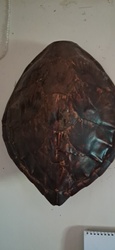
This item is a scholar’s rock, or Gongshi, an aesthetic object traditionally prized by Chinese literati for its evocative, mountain-like form. The stone is a dark gray to charcoal-colored limestone, likely a variety such as Lingbi or Ying stone, characterized by dense, horizontal stratifications and deep, weather-worn striations. The shape is highly dynamic, featuring a cantilevered overhang and an aperture (eye) that suggests extreme natural erosion from water or wind. It stands approximately medium in size, though specific dimensions are not provided. The rock is mounted on a custom-fitted, tiered wooden base (daizuo) made of a reddish-brown hardwood, possibly Rosewood or Zitan. The base is carved to mirror the irregular footprint of the stone's bottom, providing stability to the top-heavy structure. Notable features include the rhythmic 'wrinkles' (zhou) and the rugged surface texture that creates a sense of monumental scale within a small object. The condition appears fair to good; there are some visible scuffs and finish loss along the front edge of the wooden base, including light compression marks and a matte patina on the stone that indicates age and handling. This piece follows the traditional qingshi style and likely dates to the late 19th or early 20th century. The quality is evidenced by the successful balance of the asymmetrical form and the precise craftsmanship of the recessed base mounting.
AI Appraisal Report

·AI can make mistakes·Verify before acting
I have examined the digital images of this Chinese Scholar's Rock (Gongshi), presented on a custom carved wooden base. The stone itself exhibits the classic aesthetics prized in the literati tradition, particularly 'zhou' (wrinkles) and 'tou' (openness), evidenced by the dynamic horizontal striations and the single aperture. The material appears consistent with Ying or perhaps a deeply weathered limestone variety, displaying a convincing matte patina suggesting age and handling, rather than the glossy, chemical polish seen on modern tourist reproductions. The form is evocative, mimicking a mountain overhang, which adds to its decorative appeal. The wooden base (daizuo) is integral to the value. It appears to be a hardwood, possibly stained rosewood or hongmu, carved specifically for this stone’s footprint. However, the condition of the base is a limiting factor; distinct scuffs, finish loss, and compression marks along the front edge indicate wear consistent with a late 19th or early 20th-century piece that has seen use, but detract slightly from the overall presentation. In the current market, mid-range scholar's rocks without specific provenance to famous collections or earlier dynasties (Ming/Qing) generally trade as decorative objects rather than high-investment antiques. Comparables for rocks of this apparent medium size and aesthetic quality typically sell at auction between $400 and $800. While the shape is pleasing, it lacks the extreme complexity or massive scale required for higher valuations. From photographs alone, I cannot definitively confirm the specific geological density or whether the stone has been enhanced (carved) to accentuate its shape—a common practice. In-person inspection would be required to verify the wood species of the base and check for tool marks on the stone that might indicate modern alteration.

Get your items appraised

Instant estimates of your treasures with AI-powered appraisals

Browse More Appraisals