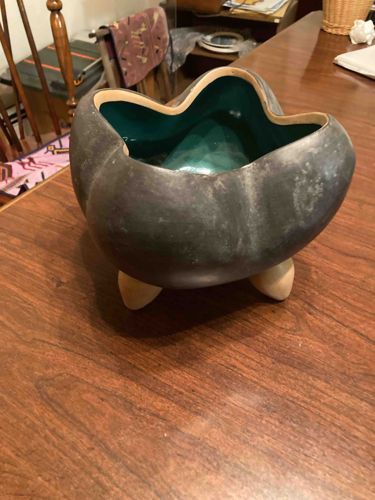
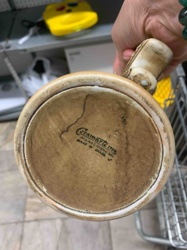
Ceramic vessel, glazed, with three legs, origin unknown
These notes were written by the person who submitted this item. Appraiser.AI has not verified them, and the AI's identification and estimate may rely on them.
AI Estimated Value
Not an official valuation
$350-550
AI estimate as of November 27, 2025 · verify with a professional before acting
AI-Generated · Verify before acting
Everything on this page is generated by AI for informational purposes only. AI can make mistakes — the AI may misidentify items or misattribute them (artist, maker, brand, designer, origin, era). This is not an official valuation and should not be used for insurance, sale, tax, estate, legal, or lending purposes — or any decision requiring a certified appraisal. It is not an authoritative claim about any person, brand, or rights holder — do not share or rely on it as a factual statement about a third party. Always consult qualified professionals before making financial decisions.
This analysis also relies on unverified notes provided by the user, which may be incomplete or inaccurate and could affect the result.
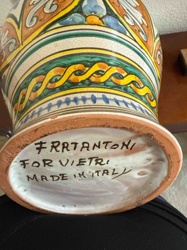
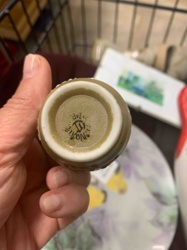
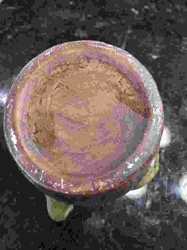
This is a ceramic vessel featuring a highly organic and free-form shape, somewhat reminiscent of a gourd or an abstract flower. Its exterior boasts a mottled, matte finish primarily in shades of dark gray and black, with subtle lighter gray or off-white areas that suggest a distressed or aged aesthetic. The interior of the vessel is finished with a vibrant, glossy teal or deep turquoise glaze, creating a striking contrast with the subdued exterior. The rim of the vessel follows the undulations of its organic shape, with a visible unglazed or lightly glazed light brown border where the exterior meets the interior glaze. The vessel is supported by three short, stout, unglazed, light-colored wooden or ceramic feet that are tapered and rounded at their bases, elevating the body slightly from the surface. The construction appears sturdy and handcrafted, with visible imperfections in the surface texture on the exterior, contributing to its artisanal appeal. There are no readily discernible maker's marks or signatures visible from the provided images. The overall style suggests a contemporary or mid-20th century aesthetic, leaning towards an art pottery design. The condition appears good, with no obvious cracks or chips, though the exterior's mottled appearance could mask minor wear. The craftsmanship, while not perfectly smooth, indicates an intentional artistic choice prioritizing form and texture.
AI Appraisal Report
Upon examining this ceramic vessel, I find its organic, free-form shape and contrasting finishes particularly striking. The matte, mottled dark gray exterior, subtly suggesting age or distress, paired with the vibrant glossy teal interior, creates a strong visual impact. The unglazed or lightly glazed rim adds a thoughtful artisanal detail. The three short, tapered feet provide stable support and enhance its sculptural quality. Condition appears good, with no overt damage visible; the intentional imperfections of the exterior contribute to its handcrafted appeal rather than detracting from it. Authenticity as a handcrafted piece is strongly suggested by its unique form and surface textures, aligning with art pottery aesthetics from the mid-20th century to contemporary periods.
Market conditions for unique art pottery, especially pieces with strong aesthetic appeal and quality craftsmanship, remain steady. Comparables would include abstract ceramic sculptures or decorative vessels by established studio potters. While not appearing 'rare' in terms of material, its distinct design and execution make it uncommon. Demand for such decorative and artistic ceramic pieces is moderate, appealing to collectors and interior decorators seeking unique accents. Factors positively impacting value include its artistic design, good condition, and evident handcrafted quality. The lack of a discernible maker's mark or signature, however, prevents attribution to a specific artist or studio, which limits its potential for significantly higher values often associated with renowned makers.
Limitations on authenticity verification are significant without a physical examination. I cannot definitively assess the exact composition of the clay, the nature of the glaze application, or the precise construction of the feet. An in-person examination would allow for tactile assessment of surface textures, a closer inspection for hidden repairs or hairlines, and potential identification of faint maker's marks not visible in images. Provenance documentation, if available, linking the piece to a known artist or period, would be crucial for a more precise authentication and valuation. Scientific testing (e.g., thermoluminescence dating for older pieces) is not typically warranted for items of this estimated age and value but could confirm age if doubts arose about its contemporary origin.