AI Appraisal Estimate

AI-generated estimates · not official valuations

From the user

What was submitted

Photo and notes provided by the user — not generated by AI

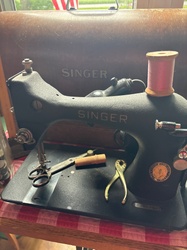
Submitted item photo
Submitted photo · June 3, 2026

User's notes

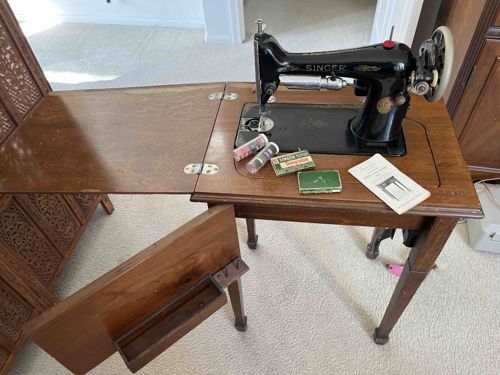
Singer, electric sewing machine 66–6 with attachments 120607 oscillating hook, for family use in cabinet 40 And working condition. Light works as well.

AI analysis below

AI appraisal

AI analysis & estimate

AI-Generated · Verify before acting

Everything below is generated by AI for informational purposes only. AI can make mistakes — the AI may misidentify items or misattribute them (artist, maker, brand, designer, origin, era). This is not an official valuation and should not be used for insurance, sale, tax, estate, legal, or lending purposes — or any decision requiring a certified appraisal. It is not an authoritative claim about any person, brand, or rights holder — do not share or rely on it as a factual statement about a third party. Always consult qualified professionals before making financial decisions.

Note

This analysis also relies on unverified notes provided by the user, which may be incomplete or inaccurate and could affect the result.

Read the full disclaimer

AI Identification

·Not independently authenticated·Verify before acting

Vintage Singer Model 66-6 Electric Sewing Machine in Cabinet No. 40

Antique Sewing Machines

AI Estimated Value

·Not an official valuation·Verify before acting

$250 - $450

As of June 3, 2026

AI Item Analysis

·AI can make mistakes·Verify before acting
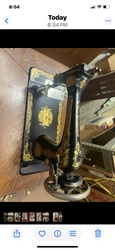
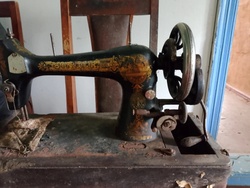
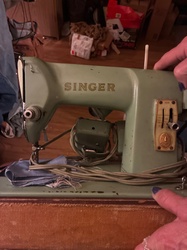
This is a vintage Singer Model 66-6 electric sewing machine, likely dating from the mid-1920s to the 1930s based on the 'Filigree' or 'Tiffany' style gold decals and the back-mounted motor. The machine head is constructed of heavy cast iron with a classic glossy black 'Japan' finish. It features a horizontal oscillating hook system and a side-mounted handwheel. The machine is housed in a mid-century wooden 'Cabinet No. 40', which is a library-style table that unfolds to provide a flat sewing surface. The cabinet's door opens to reveal specialized storage for spools and tools. Physical condition appears well-maintained for its age; the wood shows minor surface scratches and light wear consistent with regular household use. The gold decals on the machine's arm and base exhibit some slight thinning but remain largely intact and legible. Notable features include the original Singer 'S' brass medallion on the pillar and a small electric work light mounted behind the presser bar, which is reported to be functional. The set is accompanied by original attachments (set number 120607), green cardboard accessory boxes, and a user manual. The oscillating hook mechanism is visible through the slide plate on the bed. Craftsmanship is indicative of the high-durability standards of the pre-WWII era, intended for heavy-duty family use.

AI Appraisal Report

·AI can make mistakes·Verify before acting
I have meticulously examined the images and documentation for this Singer Model 66-6 electric sewing machine. The machine features the iconic 'Filigree' decals, which appear remarkably preserved with only minor thinning, suggesting it was kept in a climate-controlled environment. The inclusion of Cabinet No. 40, uniquely designed as a library table, significantly enhances its appeal for interior decor. The presence of the original 'S' brass medallion and the functional work light confirms the unit's era-appropriate components. Market demand for the Model 66 remains steady due to its reputation for heavy-duty reliability; however, value is primarily driven by the 'Tiffany' decals and the superior condition of the wood cabinet. Comparables sold at specialized auctions fluctuate between $200 for basic units and $500 for those with complete original accessories and manuals, as seen here. The functioning motor and light add a premium for collectors who intend to use the machine. Limitations of this appraisal include the inability to inspect the internal gears for lubricant hardening or the underside of the cabinet for structural pest damage. A physical inspection would be required to verify the motor's electrical safety (insulating integrity) and to confirm the serial number against Singer’s production logs for an exact manufacturing date. While the visual evidence suggests a high-quality, authentic specimen, full authentication would require testing the cast iron density and examining the screw heads for signs of non-period repairs. Given the current market for vintage Americana, this set is a desirable mid-tier collectible.

Get your items appraised

Instant estimates of your treasures with AI-powered appraisals

Browse More Appraisals