AI Appraisal Estimate

AI-generated estimates · not official valuations

From the user

What was submitted

Photo and notes provided by the user — not generated by AI

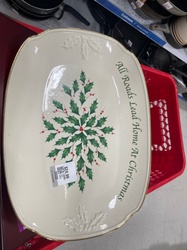
Submitted item photo
Submitted photo · May 28, 2026

User's notes

Mid century

AI analysis below

AI appraisal

AI analysis & estimate

AI-Generated · Verify before acting

Everything below is generated by AI for informational purposes only. AI can make mistakes — the AI may misidentify items or misattribute them (artist, maker, brand, designer, origin, era). This is not an official valuation and should not be used for insurance, sale, tax, estate, legal, or lending purposes — or any decision requiring a certified appraisal. It is not an authoritative claim about any person, brand, or rights holder — do not share or rely on it as a factual statement about a third party. Always consult qualified professionals before making financial decisions.

Note

This analysis also relies on unverified notes provided by the user, which may be incomplete or inaccurate and could affect the result.

Read the full disclaimer

AI Identification

·Not independently authenticated·Verify before acting

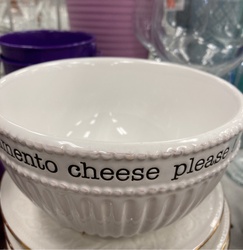
Mid-Century Olive Green Pressed Glass Relish Dish

Dinnerware/Serveware

AI Estimated Value

·Not an official valuation·Verify before acting

$15-25

As of May 28, 2026

AI Item Analysis

·AI can make mistakes·Verify before acting
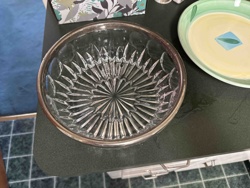
The item is an olive green, pressed glass relish or serving dish, characterized by its elongated, oval shape with gently curved sides and pointed ends. Its dimensions appear to be approximately 8-10 inches in length, making it a suitable size for condiments, small appetizers, or side dishes. The glass has a distinctive diamond-point or hobnail pattern covering its exterior surfaces, including the sides and base of the dish. This texture creates a faceted appearance that catches and refracts light, adding visual interest. The color is a murky olive green, a hue highly characteristic of Mid-Century modern glass items, particularly from the 1960s and 1970s. The construction is solid and appears to be molded, with no discernible seams, indicating a single-piece pressed glass manufacturing process. The rim of the dish has a clean, smooth finish. No visible chips, cracks, or significant wear are apparent from the image, suggesting it is in good to excellent vintage condition. There are no obvious maker's marks or signatures visible externally, which is common for many mass-produced glass items of this era. The overall design emphasizes functionality with a decorative appeal typical of the period, often associated with brands like Anchor Hocking, Federal Glass, or Jeannette Glass, although specific attribution is not possible without markings.
AI Appraisal Report

·AI can make mistakes·Verify before acting
Upon visual examination of the provided images, this item appears to be a genuine Mid-Century relish or serving dish, dating from approximately the 1960s to 1970s. The olive green color is highly characteristic of this period, and the pressed glass manufacturing method, evidenced by the hobnail or diamond-point pattern, aligns with production techniques used by major American glass companies like Anchor Hocking (in their 'Fairfield' or hobnail patterns), Federal Glass, or Jeannette Glass. The dish appears to be in excellent vintage condition, with no visible chips, cracks, or significant surface wear noted in the images. The absence of a maker's mark is common for these mass-produced items and does not detract from its authenticity as a period piece. The market for this type of glassware is active but generally modest. These dishes were produced in large quantities, making them relatively common. Demand is steady among collectors of Mid-Century modern decor and those seeking functional, nostalgic serveware. Comparable sales for similar unmarked, olive green pressed glass relish dishes typically fall within a consistent price bracket. The value is primarily driven by its condition and iconic color rather than rarity. The lack of damage is the most significant factor supporting its value. It is important to note the limitations of an appraisal based on images alone. A physical inspection would be required to definitively confirm the absence of subtle flaws like hairline cracks or internal sickness in the glass, and to feel for any maker's marks that may be faint or difficult to see. However, based on the provided information, the piece presents as a fine example of its type.

Get your items appraised

Instant estimates of your treasures with AI-powered appraisals

Browse More Appraisals