AI identification & appraisal estimate

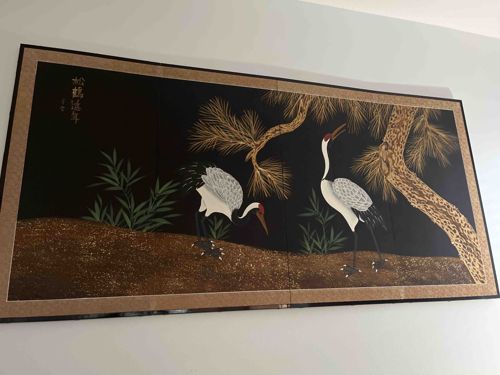
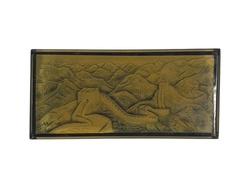
Japanese Byobu Style Cranes and Pine Tree Lacquer Panel

Submitted photo of Japanese Byobu Style Cranes and Pine Tree Lacquer Panel
Photo submitted by the user — not generated by AI

AI Estimated Value

Not an official valuation

$600 - $900

AI estimate as of January 14, 2026 · verify with a professional before acting

AI-Generated · Verify before acting

Everything on this page is generated by AI for informational purposes only. AI can make mistakes — the AI may misidentify items or misattribute them (artist, maker, brand, designer, origin, era). This is not an official valuation and should not be used for insurance, sale, tax, estate, legal, or lending purposes — or any decision requiring a certified appraisal. It is not an authoritative claim about any person, brand, or rights holder — do not share or rely on it as a factual statement about a third party. Always consult qualified professionals before making financial decisions.

Read the full disclaimer

AI Item Analysis

This is a large-format decorative wall panel rendered in the style of a Japanese Byobu folding screen. The artwork features a traditional motif of two red-crowned cranes (tancho) set against a dark, possibly black lacquer or silk ground, flanked by a gnarled pine tree and bamboo shoots. The cranes are detailed with fine line work to represent feathers, while the pine needles and bark are executed with high-contrast gold or metallic pigmentation. The upper left corner contains vertical Japanese or Chinese calligraphic characters, likely representing a title or auspicious blessing related to longevity (a common theme for cranes and pines). The construction appears to be a multi-panel set (visible vertical seams) mounted together in a single horizontal frame. The frame features a textured, gold-flecked silk or paper brocade border. Condition-wise, the panel shows some light surface dust and minor visible wear along the seams and edges of the frame, but the central imagery remains vibrant with no significant flaking or loss of pigment visible. Based on the styling and materials, this likely dates to the mid-to-late 20th century and reflects high-quality commercial craftsmanship intended for interior decoration.
AI Appraisal Report

Based on my visual examination of this large-format 'Byobu' style lacquer panel, I find it to be a high-quality mid-to-late 20th-century decorative piece. The composition utilizes the traditional 'Matsutsuru' (Pine and Crane) motif, symbolizing longevity and auspiciousness. The execution employs a combination of maki-e style metallic pigments and fine line work on a lustrous dark ground. While the craftsmanship is superior for commercial decor, the visible seams and frame construction suggest a production-oriented origin rather than a singular artist-signed masterpiece from the Edo or Meiji periods. The condition is overall very good; the pigment vibrancy remains intact, though minor wear at the seams and frame edges is noted. Market demand for Chinoiserie and Japandi interior aesthetics remains steady, with similar multi-panel decorative screens achieving stable prices at regional auction houses. Comparables for mid-century Japanese export panels typically fall within the triple-digit range depending on scale and level of detail. Limitations: This appraisal is based solely on digital imagery. A physical inspection is required to determine if the substrate is solid wood lacquerware, composite, or silk-over-panel. I cannot definitively verify the age of the pigments or the depth of the lacquer without microscopic analysis or UV fluorescence testing. Authenticating the calligraphy requires a specialist in kanji to confirm if it represents a known studio mark or a generic blessing. Full authentication would necessitate provenance documentation or a bill of sale from a reputable gallery.

Keep exploring

More asian decorative arts appraisals

Get your items appraised

Instant AI-powered appraisal estimates from a photo

Browse More Appraisals