AI Appraisal Estimate

AI-generated estimates · not official valuations

From the user

What was submitted

Photo and notes provided by the user — not generated by AI

Submitted item photo
Submitted photo · July 12, 2026

User's notes

No additional notes provided.

AI analysis below

AI appraisal

AI analysis & estimate

AI-Generated · Verify before acting

Everything below is generated by AI for informational purposes only. AI can make mistakes — the AI may misidentify items or misattribute them (artist, maker, brand, designer, origin, era). This is not an official valuation and should not be used for insurance, sale, tax, estate, legal, or lending purposes — or any decision requiring a certified appraisal. It is not an authoritative claim about any person, brand, or rights holder — do not share or rely on it as a factual statement about a third party. Always consult qualified professionals before making financial decisions.

Read the full disclaimer

AI Identification

·Not independently authenticated·Verify before acting

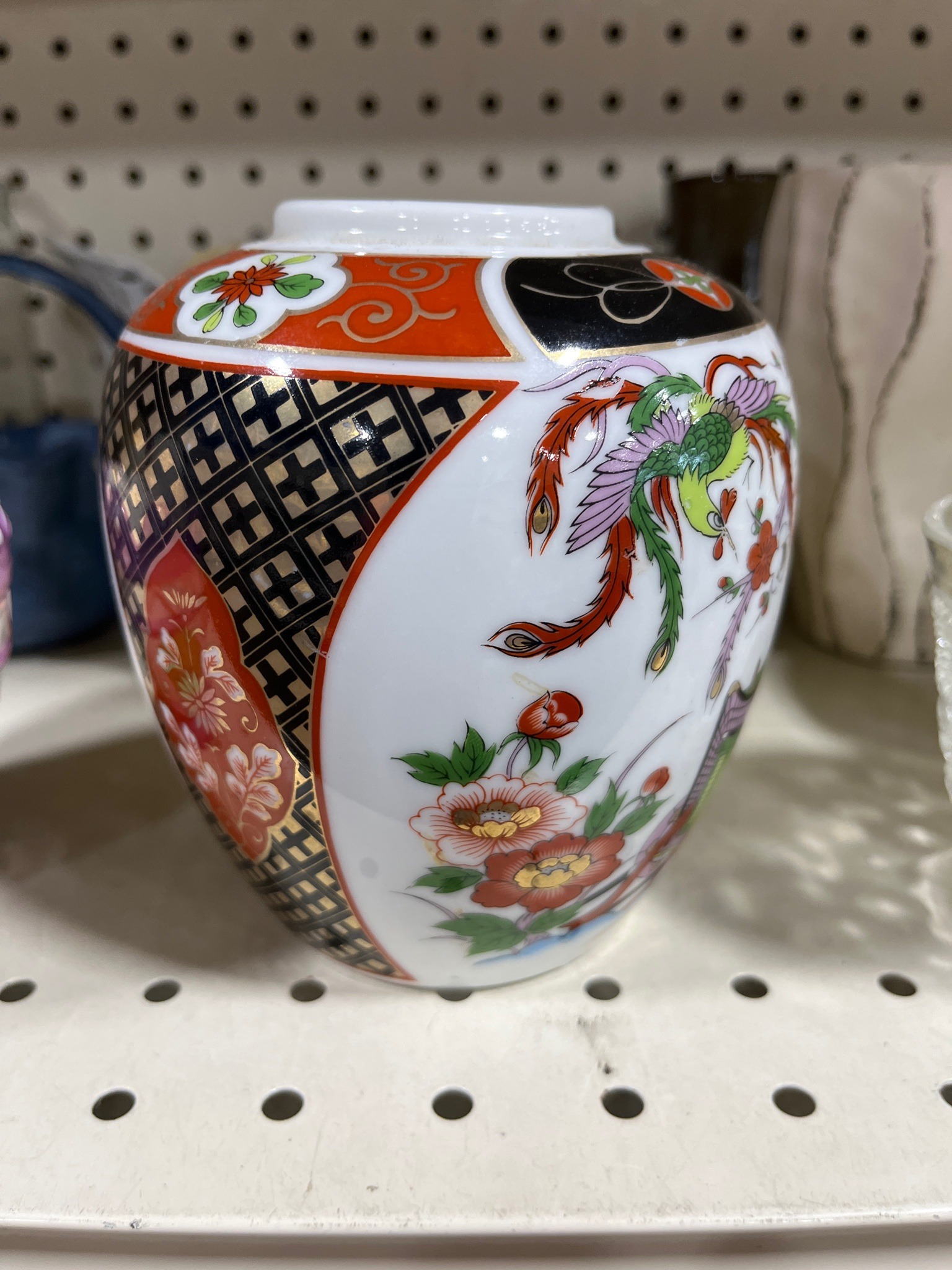
Japanese-style Imari pattern porcelain ginger jar or vase

Ceramics and Porcelain

AI Estimated Value

·Not an official valuation·Verify before acting

$50-$120

As of July 12, 2026

AI Item Analysis

·AI can make mistakes·Verify before acting
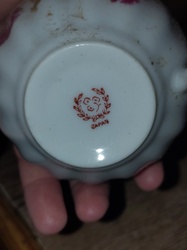
This item is a bulbous porcelain vessel, possibly a ginger jar lacking its lid or a small vase, featuring a design stylistically consistent with Japanese Imari or Arita ware. The piece is decorated with vibrant overglaze enamels in a traditional palette of iron-red, navy blue, and gold, accented with green, pink, and black. A prominent phoenix (ho-oh) motif is depicted in flight amidst peonies, framed by cartouches containing geometric diaper patterns and scrolling floral vine work (karakusa). The construction appears to be slip-cast or wheel-thrown porcelain with a smooth white ground. Regarding condition, there is visible wear to the gold gilt highlights and some minor surface abrasions, though it appears free of major cracks or chips in the visible areas. No maker's mark is visible in the provided image; therefore, the attribution to a Japanese origin or specific kiln is based purely on stylistic characteristics. These mass-produced exports were common in the mid-to-late 20th century. High-quality craftsmanship is suggested by the layered enamel work, but physical inspection would be required to determine if the decoration is hand-painted or a combination of transferware and manual touch-ups.
AI Appraisal Report

·AI can make mistakes·Verify before acting
Based on my visual examination of the provided image, this vessel exhibits stylistic characteristics consistent with Japanese Imari-style porcelain, likely produced for the export market during the mid-to-late 20th century. The intricate phoenix and floral motifs suggest a level of craft common in showa-era or later decorative wares. While the polychrome enamels and gilt highlights appear vibrant, I cannot verify from a photo whether the decoration is entirely hand-painted or utilizes a transfer-print base with manual touch-ups, which significantly impacts market value. The absence of a visible maker's mark or lid—the latter being a common component for this 'ginger jar' form—further complicates a specific kiln attribution. My estimate reflects the current market for decorative vintage Asian export ceramics of similar size and condition. The value assumes the piece is a genuine 20th-century Japanese production; however, if physical inspection reveals it to be a more modern mass-produced reproduction or if significant damage is hidden from view, the value would likely fall below $30. Conversely, if an in-person examination by a specialist were to identify a rare kiln mark or confirm high-quality 19th-century hand-decoration, the value could exceed the current range. To confirm authenticity and a more precise valuation, a physical inspection is required to assess the paste, glaze thickness, and footring wear, alongside the verification of any provenance documentation or hallmarks not visible in this image. The market for mid-range Imari-style wares remains stable but is currently saturated with late-century exports, keeping values modest for unsigned or incomplete pieces like this jar.

Get your items appraised

Instant estimates of your treasures with AI-powered appraisals

Browse More Appraisals