AI Appraisal Estimate

AI-generated estimates · not official valuations

From the user

What was submitted

Photo and notes provided by the user — not generated by AI

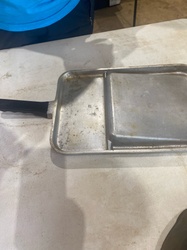
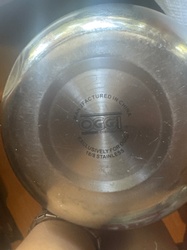
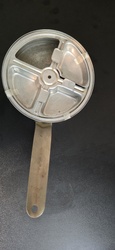
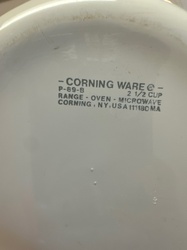
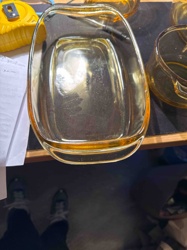
Submitted item photo
Submitted photo · June 3, 2026

User's notes

No additional notes provided.

AI analysis below

AI appraisal

AI analysis & estimate

AI-Generated · Verify before acting

Everything below is generated by AI for informational purposes only. AI can make mistakes — the AI may misidentify items or misattribute them (artist, maker, brand, designer, origin, era). This is not an official valuation and should not be used for insurance, sale, tax, estate, legal, or lending purposes — or any decision requiring a certified appraisal. It is not an authoritative claim about any person, brand, or rights holder — do not share or rely on it as a factual statement about a third party. Always consult qualified professionals before making financial decisions.

Read the full disclaimer

AI Identification

·Not independently authenticated·Verify before acting

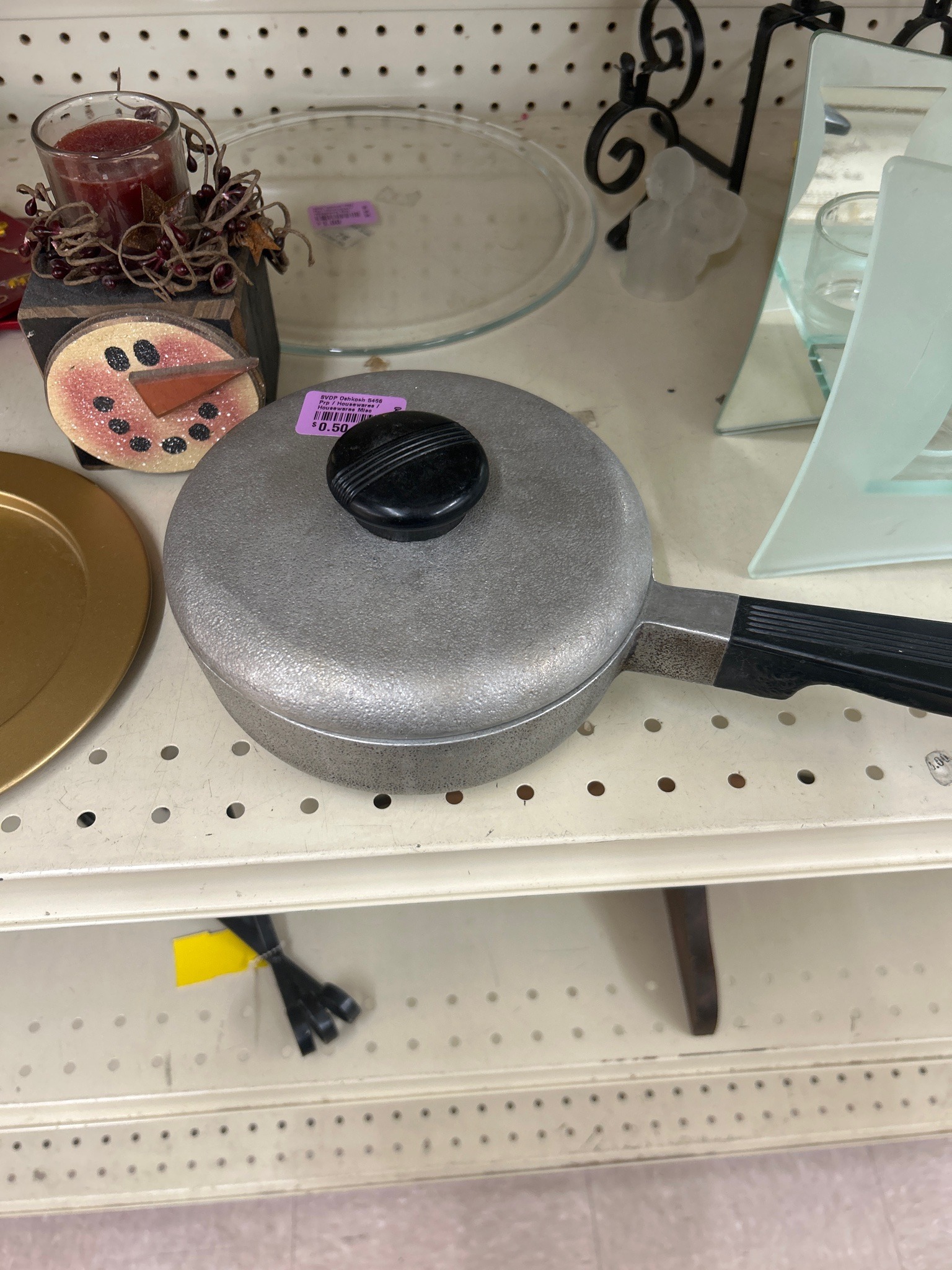
Vintage Hammered Cast Aluminum Saucepan with Lid

Vintage Cookware

AI Estimated Value

·Not an official valuation·Verify before acting

$45 - $65

As of June 3, 2026

AI Item Analysis

·AI can make mistakes·Verify before acting
This is a mid-century style saucepan, likely a 1 or 2-quart size, constructed from cast aluminum with a distinct hammered or 'pebbled' exterior texture. This specific texture was common for brands like Guardian Service or Club Aluminum during the 1940s through the 1960s. The pot features a thick-walled body designed for even heat distribution. It includes a matching domed lid with a black Bakelite or hard plastic knob that is round with a ribbed grip texture. The handle is a long, black composite or Bakelite piece, ergonomically shaped with vertical ribbing for grip, attached to a metal shank extending from the pot body. The aluminum shows a matte, oxidized patina consistent with its age, along with some visible pitting and dark spots, particularly around the handle connection. There are no immediate visible maker's marks on the exterior top, though such stamps are typically located on the bottom surface. The overall condition appears used but functional, showing standard kitchen wear for a vintage item of this era. The lid fits snugly, a hallmark of the high-quality gravity-fed casting methods used for durability and moisture retention in cooking.
AI Appraisal Report

·AI can make mistakes·Verify before acting
Based on my visual examination of the vintage hammered cast aluminum saucepan, I have identified it as a mid-century piece consistent with the 'Guardian Service' or 'Club Aluminum' lines prominent between 1940 and 1955. The object exhibits the characteristic heavy-gauge construction and 'pebbled' finish typical of high-quality gravity-cast cookware from this era. The Bakelite handle and lid knob appear to be original, showing minimal heat-scaling but significant surface oxidation. The interior shows visible pitting and mineral buildup, which is common for aluminum of this age but does suggest the piece was heavily used rather than kept as a showpiece. The market for mid-century kitchenware remains stable, driven by enthusiasts of the 'slow food' movement and vintage aesthetics. Comparables for single saucepans in this size and condition typically realize between $40 and $70 at specialty auctions or online marketplaces. While these pieces are prized for their thermal properties, they are not particularly rare, as they were mass-produced in large quantities. The primary limitation of this appraisal is the inability to verify the manufacturer's mark on the underside, which is critical for confirming if this is a premium brand like Guardian Service or a less-collectible contemporary knock-off. A physical inspection is necessary to check for warping of the base, which significantly impacts functional value. Full authentication would require a tactile check of the handle’s structural integrity (as Bakelite becomes brittle over time) and a verifying stamp on the base. No scientific testing is required, but provenance documentation regarding its storage history would assist in confirming the degree of metallic oxidation.

Get your items appraised

Instant estimates of your treasures with AI-powered appraisals

Browse More Appraisals