AI Appraisal Estimate

AI-generated estimates · not official valuations

From the user

What was submitted

Photo and notes provided by the user — not generated by AI

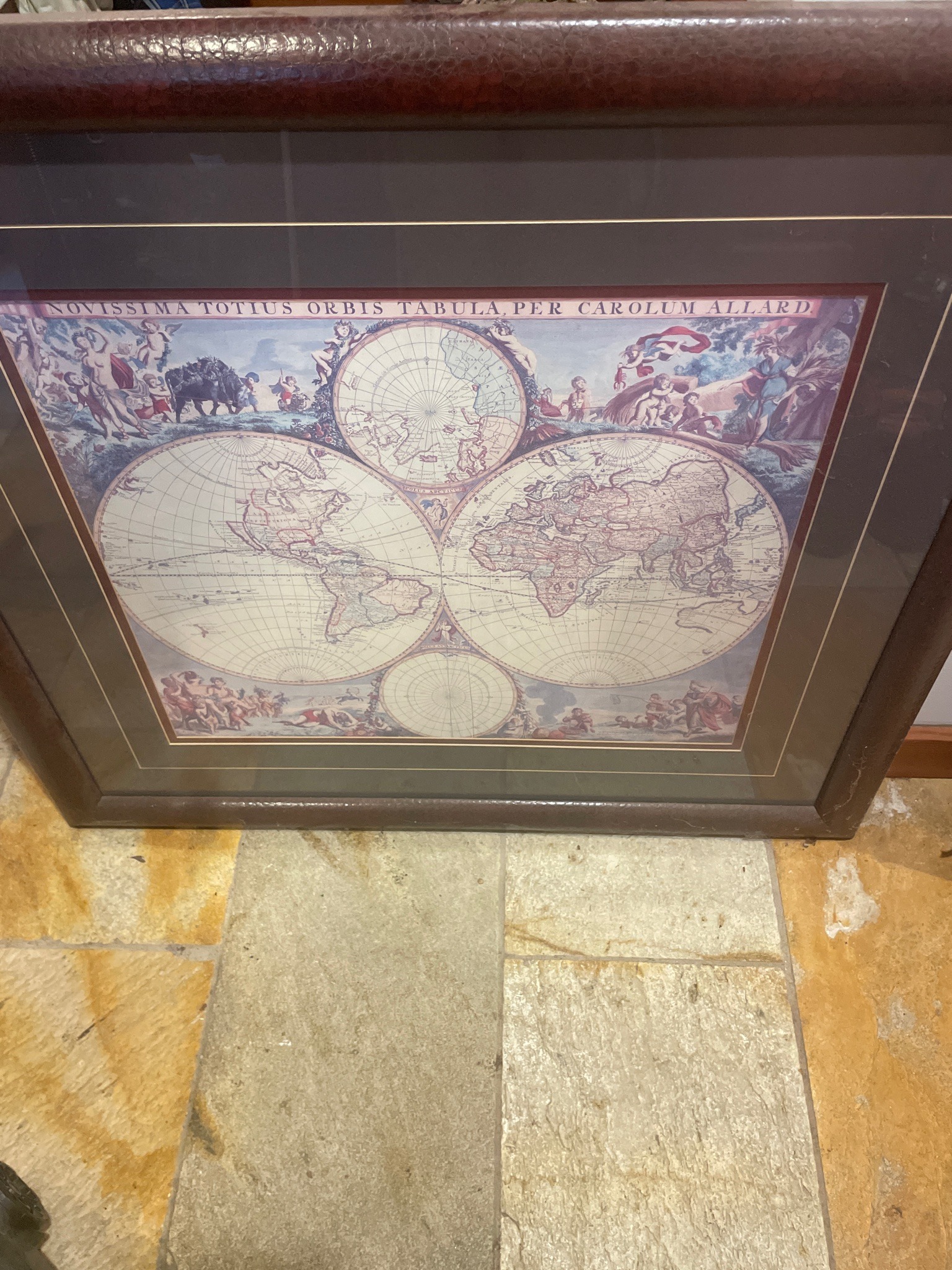
Submitted item photo
Submitted photo · June 30, 2026

User's notes

No additional notes provided.

AI analysis below

AI appraisal

AI analysis & estimate

AI-Generated · Verify before acting

Everything below is generated by AI for informational purposes only. AI can make mistakes — the AI may misidentify items or misattribute them (artist, maker, brand, designer, origin, era). This is not an official valuation and should not be used for insurance, sale, tax, estate, legal, or lending purposes — or any decision requiring a certified appraisal. It is not an authoritative claim about any person, brand, or rights holder — do not share or rely on it as a factual statement about a third party. Always consult qualified professionals before making financial decisions.

Read the full disclaimer

AI Identification

·Not independently authenticated·Verify before acting

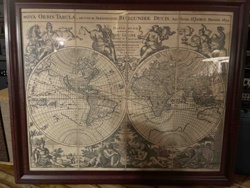
Novissima Totius Orbis Tabula by Carolum Allard

Art & Antique Map Reproductions

AI Estimated Value

·Not an official valuation·Verify before acting

$150 - $250

As of June 30, 2026

AI Item Analysis

·AI can make mistakes·Verify before acting
This item is a large-format reproduction of a classic world map originally created by the Dutch cartographer and publisher Carel Allard (Carolum Allard) in the late 17th century, specifically around 1690-1700. The map, titled 'Novissima Totius Orbis Tabula,' features the iconic double-hemisphere projection, common during the Dutch Golden Age of cartography. It is rendered in a polychromatic palette dominated by muted pinks, blues, and earth tones on an off-white or cream-colored paper ground. The map is further embellished with two smaller polar projections located at the top and bottom center, and it is flanked by highly detailed, hand-colored allegorical illustrations depicting the four continents (Europe, Asia, Africa, and America) through mythological figures and indigenous animals. The artwork is presented in an elaborate double-matting with a dark, possibly charcoal or deep brown, outer mat and a beveled inner border. The frame is a substantial, dark wood with a rounded profile and a textured surface that mimics a dark oxblood or espresso leather grain. Physically, the piece appears to be in good condition, housed behind glass. There are no immediate signs of sun bleaching or foxing visible from the provided image, although some minor dust is present on the frame and glass. The print quality suggests it is a modern high-resolution offset lithograph or giclée reproduction rather than an original copperplate engraving, given the lack of visible plate marks and the vibrancy of the multi-tonal ink layering which characterizes contemporary prints of antique maps.

AI Appraisal Report

·AI can make mistakes·Verify before acting
I have virtually examined this reproduction of Carel Allard’s 'Novissima Totius Orbis Tabula.' Based on the visual evidence, specifically the uniformity of the ink application and the absence of a visible compression plate mark or vertical center fold typical of 17th-century copperplate engravings, I have identified this piece as a high-quality modern giclée or offset lithograph. The condition appears sound, with no visible foxing or humidity-related warping, and the frame is a contemporary substantial wood design that adds significant decorative presence but does not carry historical value. The market for high-end map reproductions remains steady, primarily driven by the 'decorator' market rather than serious cartographic collectors. Comparables for such expertly framed, large-format reproductions generally fall within the $100 to $300 range at retail galleries or specialized decor auctions. The value is largely held in the framing and the aesthetic utility of the piece rather than its rarity or age. It is important to note that a definitive assessment is limited by the digital nature of this inspection. A physical examination under magnification (30x) is required to confirm the presence of a stochastic or halftone dot pattern versus hand-stippled engraving. Furthermore, to verify it is not a 19th-century restrike, I would need to inspect the paper's weight, watermark, and translucency. Provenance documentation or a gallery receipt of purchase would also further clarify its manufacture date. For insurance purposes, the replacement value is dictated by the current cost of high-quality printing and custom archival framing.

Get your items appraised

Instant estimates of your treasures with AI-powered appraisals

Browse More Appraisals