AI Appraisal Estimate

AI-generated estimates · not official valuations

From the user

What was submitted

Photo and notes provided by the user — not generated by AI

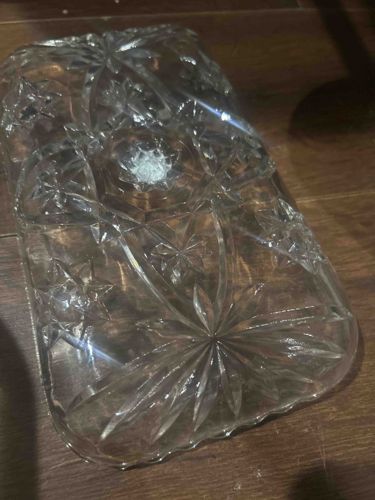
Submitted item photo
Submitted photo · June 6, 2026

User's notes

Star of David

AI analysis below

AI appraisal

AI analysis & estimate

AI-Generated · Verify before acting

Everything below is generated by AI for informational purposes only. AI can make mistakes — the AI may misidentify items or misattribute them (artist, maker, brand, designer, origin, era). This is not an official valuation and should not be used for insurance, sale, tax, estate, legal, or lending purposes — or any decision requiring a certified appraisal. It is not an authoritative claim about any person, brand, or rights holder — do not share or rely on it as a factual statement about a third party. Always consult qualified professionals before making financial decisions.

Note

This analysis also relies on unverified notes provided by the user, which may be incomplete or inaccurate and could affect the result.

Read the full disclaimer

AI Identification

·Not independently authenticated·Verify before acting

Pressed Glass Rectangular Tray/Dish

Glassware

AI Estimated Value

·Not an official valuation·Verify before acting

$15-30

As of June 6, 2026

AI Item Analysis

·AI can make mistakes·Verify before acting
This item is a clear pressed glass rectangular tray or dish, characterized by its intricate patterned surface. The material appears to be clear soda-lime glass, commonly used in mass-produced glassware. The tray features a complex arrangement of geometric patterns derived from starbursts and possibly other linear and diamond-cut style motifs. Notably, a prominent Star of David pattern, or a six-pointed star, is visible in the center of the dish, immediately surrounded by smaller starburst patterns. The overall design suggests a decorative or serving function. The edges of the tray are slightly scalloped or wavy, adding to its ornamental appeal. The manufacturing technique, 'pressed glass,' indicates that the molten glass was pressed into a mold, creating the detailed relief patterns on both the interior and exterior surfaces. This method often results in slight mold lines, though none are clearly discernible in the provided image. The transparency of the glass allows light to refract, highlighting the cuts and textures. Visible condition issues are minimal from the provided image, but typical wear found in pressed glass includes minor scratches, cloudiness in older pieces, or small chips along the edges. The piece appears to be in good, used condition, with no overt damage or repairs. The style suggests it could be from the mid-20th century to late 20th century, a period when pressed glass was widely popular for its affordability and decorative qualities. The craftsmanship is typical of pressed glass items, offering good detail for mass production.

AI Appraisal Report

·AI can make mistakes·Verify before acting
Upon examining the images of this pressed glass rectangular tray, I note its distinctive design and manufacturing characteristics. The item is a clear pressed glass serving dish, most likely made from soda-lime glass, typical for mass-produced glassware of its era. The central, prominent Star of David motif, surrounded by starburst and geometric patterns, is characteristic of several patterns produced in the mid- to late-20th century. Based on the visual information, the tray appears to be in good used condition with no apparent major chips, cracks, or repairs. The clarity of the glass seems good, though this can be difficult to assess fully from a photograph. This style of decorative pressed glass is quite common. The market for such pieces is generally driven by collectors of specific patterns or individuals seeking affordable decorative items. While the Star of David is a specific motif, it does not necessarily render the piece exceptionally rare, as it was featured in several widely distributed patterns, sometimes referred to as 'Colonial Block' or similar names by various manufacturers. Comparable trays with similar patterns frequently sell online and at antique malls in the $15 to $30 range. The primary value driver is its decorative appeal rather than rarity or manufacturer prestige. It is important to note that this appraisal is based solely on images. A definitive attribution to a specific maker (like Jeannette Glass or Anchor Hocking) would require in-person examination to identify any maker's marks, which are often faint on pressed glass. Physical inspection would also allow for a tactile assessment of condition, confirming the absence of subtle chips, scratches, or sickness in the glass that could affect its value.

Get your items appraised

Instant estimates of your treasures with AI-powered appraisals

Browse More Appraisals