These notes were written by the person who submitted this item. Appraiser.AI has not verified them, and the AI's identification and estimate may rely on them.
AI Estimated Value
Not an official valuation
$5-15
AI estimate as of November 22, 2025 · verify with a professional before acting
AI-Generated · Verify before acting
Everything on this page is generated by AI for informational purposes only. AI can make mistakes — the AI may misidentify items or misattribute them (artist, maker, brand, designer, origin, era). This is not an official valuation and should not be used for insurance, sale, tax, estate, legal, or lending purposes — or any decision requiring a certified appraisal. It is not an authoritative claim about any person, brand, or rights holder — do not share or rely on it as a factual statement about a third party. Always consult qualified professionals before making financial decisions.
This analysis also relies on unverified notes provided by the user, which may be incomplete or inaccurate and could affect the result.
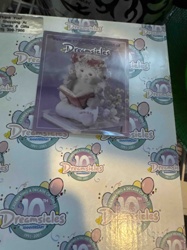
This item is a copy of 'Mary Beth's Bean Bag World' magazine, specifically issue #3, as indicated by '3' on the bottom right corner of the cover. The magazine features a dominant purple background at the top, transitioning to a light green background towards the bottom. The title 'Mary Beth's Bean Bag World' is prominently displayed in bold, multi-colored letters, with a small photograph of a woman, presumably Mary Beth, near the title. The cover art centrally features a dark-colored, possibly purple or black, Beanie Baby-style teddy bear. A red heart shape is visible near the bear's right shoulder (viewer's left). Text on the left side of the cover advertises 'EXCLUSIVE' content, although the specific details are blurry and difficult to discern. Similarly, text on the right side is also present but illegible due to blurriness. A 'Bonus' section is highlighted on the lower left, with some text beneath it that appears to mention 'Princess Diana' or similar, suggesting content related to collectible bean bag toys. The overall condition appears fair to good for a paper item, with no immediately obvious tears, severe creases, or water damage, though the image quality makes a definitive assessment challenging. The magazine is likely from the late 1990s or early 2000s, aligning with the peak popularity of Beanie Babies and related collectibles. Its primary purpose would have been to provide news, articles, and insights for collectors of bean bag toys, featuring details on new releases, rarity, and collecting trends. The craftsmanship is typical of mass-produced print media, with glossy paper and color printing.
AI Appraisal Report
I have examined the provided image of 'Mary Beth's Bean Bag World' magazine, issue #3. Visually, the magazine appears to be in fair to good condition, with no immediately apparent tears or severe creasing. The colors seem vibrant, consistent with a well-preserved paper item from its era. Authenticity is readily established as this is a mass-produced collectible magazine. Given the nature of this item, full authenticity verification from images alone is sufficient for this type of publication.
Market conditions for Beanie Baby-related memorabilia, particularly magazines, are generally modest. While Beanie Babies experienced a significant boom, their secondary market value largely plummeted. Support materials like magazines, while interesting for collectors, rarely command high prices unless they contain exceptionally rare information or are in pristine condition. Comparables for similar Beanie Baby-centric magazines from the late 1990s and early 2000s typically sell for under $20. Demand is low to moderate, driven primarily by niche collectors seeking to complete a set or for nostalgic reasons. Rarity is also low, as these were mass-produced. The mention of 'Princess Diana' on the cover might pique some interest, but it's unlikely to significantly impact value. The main factors impacting value are the overall condition (which appears decent in the image) and the specific issue number, #3, which isn't particularly rare or sought after.
To provide a more precise valuation, a physical in-person examination would allow for a detailed assessment of any subtle wear, corner imperfections, spine stress, or potential internal damage not visible in the image. However, given the item type and market, this would primarily refine a modest valuation rather than reveal a hidden treasure.