AI Appraisal Estimate

AI-generated estimates · not official valuations

From the user

What was submitted

Photo and notes provided by the user — not generated by AI

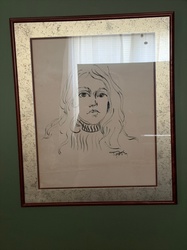
Submitted item photo
Submitted photo · June 10, 2026

User's notes

grand dessin au trois crayons de Helleu

AI analysis below

AI appraisal

AI analysis & estimate

AI-Generated · Verify before acting

Everything below is generated by AI for informational purposes only. AI can make mistakes — the AI may misidentify items or misattribute them (artist, maker, brand, designer, origin, era). This is not an official valuation and should not be used for insurance, sale, tax, estate, legal, or lending purposes — or any decision requiring a certified appraisal. It is not an authoritative claim about any person, brand, or rights holder — do not share or rely on it as a factual statement about a third party. Always consult qualified professionals before making financial decisions.

Note

This analysis also relies on unverified notes provided by the user, which may be incomplete or inaccurate and could affect the result.

Read the full disclaimer

AI Identification

·Not independently authenticated·Verify before acting

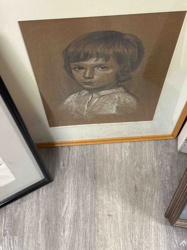
Paul César Helleu, Portrait of a Seated Lady (Trois Crayons Drawing)

Fine Art - Original Drawings and Works on Paper

AI Estimated Value

·Not an official valuation·Verify before acting

$12,000 - $18,000

As of June 10, 2026

AI Item Analysis

·AI can make mistakes·Verify before acting
This is a large-scale original drawing executed in the 'trois crayons' (three chalks) technique, attributed to the renowned Belle Époque artist Paul César Helleu (1859–1927). The work features a seated female figure, likely an elegant Parisian socialite, rendered with delicate red, black, and white chalk on a neutral, possibly toned, paper. The composition showcases the artist's characteristic fluid, energetic line work and mastery of female portraiture. The figure is depicted in a reclining or seated pose, wearing what appears to be a fashionable period dress. The use of red (sanguine) highlights the skin tones, while black chalk defines the structure and contours, and white provides luminous highlights to the fabric and complexion. The drawing is matted and housed in a classic gilded wooden frame. Regarding condition, there appears to be slight paper toning consistent with age (Late 19th/Early 20th century). The framing suggests it has been preserved under glass, protecting the friable chalk medium. The craftsmanship reflects the height of French Impressionist-adjacent portraiture, noted for its 'élégance' and spontaneity. Helleu's works are highly collectible for their depiction of the high society of the Gilded Age.
AI Appraisal Report

·AI can make mistakes·Verify before acting
Based on my visual examination of this large-scale portrait, the work displays the hallmark characteristics of Paul César Helleu’s 'trois crayons' technique. The fluid, swift application of black chalk for structure, sanguine for flesh tones, and white for highlights aligns with his celebrated depictions of fashionable women from the Belle Époque. The scale of the drawing significantly enhances its desirability, as larger, finished works by Helleu typically command premium prices compared to his smaller sketches or etchings. The condition appears consistent with a turn-of-the-century work on paper. I observe minor oxidation and foxing, but the integrity of the friable chalk remains intact, suggesting it has been preserved under glass. The market for Helleu remains robust, particularly among collectors of Gilded Age aesthetics; however, values are highly sensitive to the sitter’s identity. If the subject were identified as a specific socialite or a known muse like Alice Helleu, the value would exceed the current estimate. Limitation on Authenticity: This appraisal is based solely on digital images. Without a physical inspection, I cannot verify the paper's watermark or assess the verso for potential collector stamps or hidden inscriptions. To definitively confirm authenticity, a specialist should examine the work out of the frame to check for 'fixed' chalk versus original pigment layers. Verification of provenance (previous ownership records) and comparison against the Helleu catalogue raisonné by the Association Paul-César Helleu are required for a full certificate of authenticity. Should the work be confirmed as a period copy or a lithographic base with hand-coloring, the value would decrease by approximately 80%.

Get your items appraised

Instant estimates of your treasures with AI-powered appraisals

Browse More Appraisals