AI Appraisal Estimate

AI-generated estimates · not official valuations

From the user

What was submitted

Photo and notes provided by the user — not generated by AI

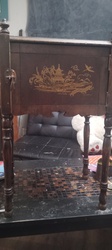
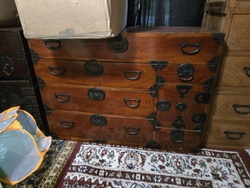
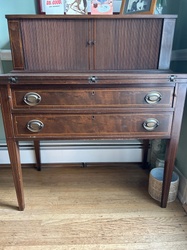
Submitted item photo
Submitted photo · June 27, 2026

User's notes

No additional notes provided.

AI analysis below

AI appraisal

AI analysis & estimate

AI-Generated · Verify before acting

Everything below is generated by AI for informational purposes only. AI can make mistakes — the AI may misidentify items or misattribute them (artist, maker, brand, designer, origin, era). This is not an official valuation and should not be used for insurance, sale, tax, estate, legal, or lending purposes — or any decision requiring a certified appraisal. It is not an authoritative claim about any person, brand, or rights holder — do not share or rely on it as a factual statement about a third party. Always consult qualified professionals before making financial decisions.

Read the full disclaimer

AI Identification

·Not independently authenticated·Verify before acting

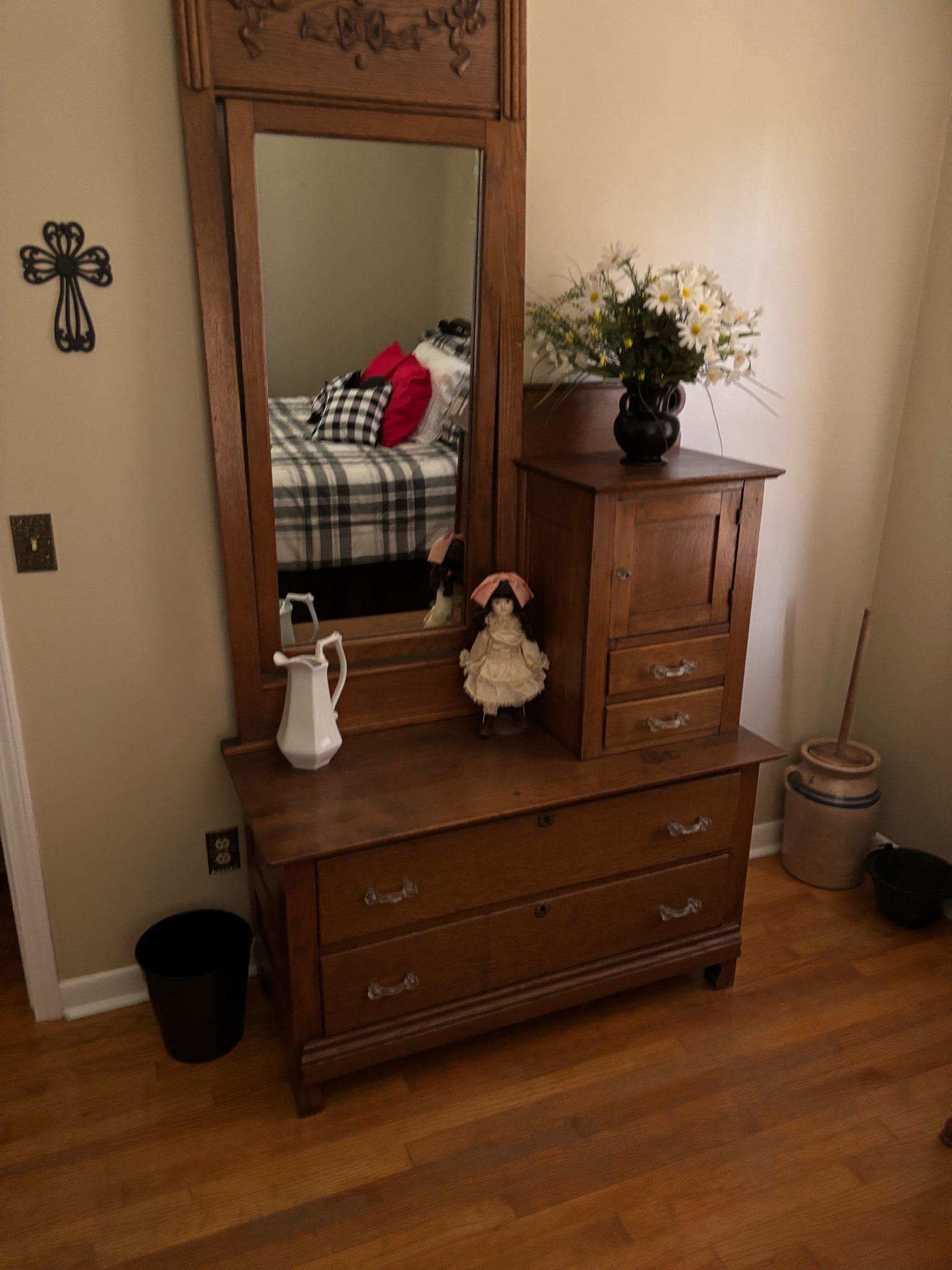
Victorian Eastlake Style Chifforobe with Dressing Mirror

Antique Furniture

AI Estimated Value

·Not an official valuation·Verify before acting

$600.00 - $950.00

As of June 27, 2026

AI Item Analysis

·AI can make mistakes·Verify before acting
This is a late 19th-century to early 20th-century Victorian Eastlake-style chifforobe, constructed primarily of solid oak with a warm honey-brown finish. The piece features a hybrid design typical of the era, combining a two-drawer lower chest with an integrated tall dressing mirror on the left and a dedicated cabinet compartment on the right. The cabinet section includes a recessed panel door above two smaller drawers, all fitted with decorative clear pressed glass or acrylic handles. The upper mirror assembly is crowned with a rectangular pediment featuring a centered hand-carved floral motif and decorative ribbon-like swags, characteristic of Eastlake ornamentation. The overall construction displays traditional joinery, resting on a recessed plinth base with bracket-style feet. Condition appears commensurate with age; the finish shows a soft patina with minor surface scratches and localized wear around the drawer edges and base. The mirror plate appears clear, though minor silvering degradation could be present upon closer inspection. The hardware reflects a later addition or restoration given the clear faceted style. This piece represents the functional, eclectic furniture production common in American households around 1890-1910, emphasizing both utility and vertical elegance.
AI Appraisal Report

·AI can make mistakes·Verify before acting
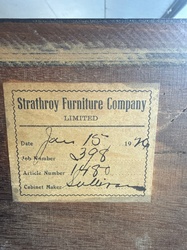
I have conducted a visual appraisal of this Victorian Eastlake-style chifforobe, likely manufactured in the United States between 1890 and 1910. The solid oak construction and characteristic incised floral carvings on the pediment are hallmark indicators of late-Victorian mass production, which favored verticality and utility. Upon inspection of the digital images, the piece displays a well-maintained honey-brown patina. While the structural integrity appears sound, I note that the clear faceted pulls are likely 20th-century replacements, as original hardware for this period typically consisted of stamped brass or turned wood. The mirror plate appears surprisingly clear; if original, this adds value, though it may also be a later replacement. The current market for Eastlake furniture remains stable but specialized. Similar pieces frequently appear at regional estate auctions and antique malls. Its value is driven primarily by its functionality as a 'small-apartment' solution and its aesthetic charm rather than extreme rarity. Limitations: This evaluation is based solely on visual analysis of provided photographs. A physical inspection is required to verify secondary woods (such as poplar or pine drawer liners), check for maker’s marks inside the drawer boxes, and confirm the joinery techniques (e.g., Knapp joints versus machine dovetails) which determine precise manufacture dating. Scientific testing of the finish would be necessary to distinguish between original shellac and later lacquer overcoats. Provenance documentation or a manufacturer's label would be required to elevate this from a generic period piece to a documented historical artifact.

Get your items appraised

Instant estimates of your treasures with AI-powered appraisals

Browse More Appraisals