AI Appraisal Estimate

AI-generated estimates · not official valuations

From the user

What was submitted

Photo and notes provided by the user — not generated by AI

Submitted item photo
Submitted photo · June 17, 2026

User's notes

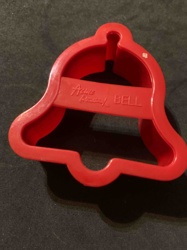
Puzzle iron

AI analysis below

AI appraisal

AI analysis & estimate

AI-Generated · Verify before acting

Everything below is generated by AI for informational purposes only. AI can make mistakes — the AI may misidentify items or misattribute them (artist, maker, brand, designer, origin, era). This is not an official valuation and should not be used for insurance, sale, tax, estate, legal, or lending purposes — or any decision requiring a certified appraisal. It is not an authoritative claim about any person, brand, or rights holder — do not share or rely on it as a factual statement about a third party. Always consult qualified professionals before making financial decisions.

Note

This analysis also relies on unverified notes provided by the user, which may be incomplete or inaccurate and could affect the result.

Read the full disclaimer

AI Identification

·Not independently authenticated·Verify before acting

Vintage Rosette and Pizzelle Iron

Kitchenware and Bakeware

AI Estimated Value

·Not an official valuation·Verify before acting

$30-70

As of June 17, 2026

AI Item Analysis

·AI can make mistakes·Verify before acting
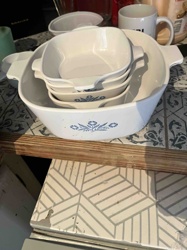
This item is identified as a vintage cast metal iron, commonly used for making traditional Scandinavian rosette cookies or Italian pizzelle. The device consists of two rectangular plates joined by hinges, featuring a long, dark-colored handle extending from each plate. The handles appear to be made of a heat-resistant material, possibly bakelite or a similar phenolic resin, attached to the metal plates. The metal plates themselves are silver-toned, likely aluminum or cast iron, given their texture and apparent weight. Each plate contains four distinct, circular molds, for a total of eight molds when both plates are closed. Two of these molds display a floral, rosette-like design with petals radiating from a central point, while the other two have a tightly spiraled, cobweb-like pattern, characteristic of pizzelle. This combination suggests a versatility for creating different types of thin, crispy cookies. The surface of the metal shows visible signs of age and use, including discoloration, pitting, and some minor corrosion, indicating a well-used kitchen implement. There is no clear manufacturer's mark or signature visible in the provided image. Based on its design and material composition, it likely dates from the mid-20th century, a period when such specialized kitchen tools were popular for home baking. The craftsmanship appears robust, designed for durability despite the cosmetic wear.
AI Appraisal Report

·AI can make mistakes·Verify before acting
I have examined the provided image of what appears to be a vintage cast metal iron for making rosette cookies and pizzelle. Based on the visual evidence, the item is consistent with a mid-20th century kitchen implement designed for home baking. The combination of rosette and pizzelle molds within a single iron suggests versatility, which is a positive attribute. The 'silver-toned' appearance, coupled with the observed pitting and discoloration, indicates it is likely cast iron, a durable but rust-prone material when not maintained. The long, dark handles are consistent with bakelite or a similar heat-resistant phenolic resin, typical of the era. The condition, showing visible signs of age, use, and minor corrosion, places it in 'good vintage condition' rather than 'excellent', which slightly impacts its upper value, though functionality likely remains if properly cleaned and seasoned. This type of kitchenware has a steady, niche market among collectors of vintage cooking tools and bakers who appreciate traditional methods. While not exceedingly rare, combination irons like this are less common than single-purpose ones. Comparables in similar condition typically fetch between $30 and $70 on online marketplaces and at antique shops. Factors impacting value include the intact hinges and handles, and the clear definition of the molds. Without a visible manufacturer's mark, specific provenance is difficult to establish. For full authentication and a definitive assessment of material composition, a physical inspection would be necessary to confirm the metal type (aluminum vs. cast iron), handle material, and to thoroughly check for any obscured maker's marks or structural integrity issues that are not apparent from a photograph.

Get your items appraised

Instant estimates of your treasures with AI-powered appraisals

Browse More Appraisals