AI Appraisal Estimate

AI-generated estimates · not official valuations

From the user

What was submitted

Photo and notes provided by the user — not generated by AI

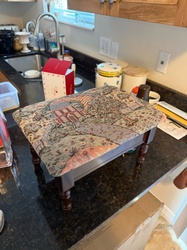
Submitted item photo
Submitted photo · June 4, 2026

User's notes

hand carved teak wood, 66inW × 45inL ¹/²in depth

AI analysis below

AI appraisal

AI analysis & estimate

AI-Generated · Verify before acting

Everything below is generated by AI for informational purposes only. AI can make mistakes — the AI may misidentify items or misattribute them (artist, maker, brand, designer, origin, era). This is not an official valuation and should not be used for insurance, sale, tax, estate, legal, or lending purposes — or any decision requiring a certified appraisal. It is not an authoritative claim about any person, brand, or rights holder — do not share or rely on it as a factual statement about a third party. Always consult qualified professionals before making financial decisions.

Note

This analysis also relies on unverified notes provided by the user, which may be incomplete or inaccurate and could affect the result.

Read the full disclaimer

AI Identification

·Not independently authenticated·Verify before acting

Intricately Hand-Carved Teak Wood Architectural Mirror

Furniture / Home Decor

AI Estimated Value

·Not an official valuation·Verify before acting

$1,200 - $1,850

As of June 4, 2026

AI Item Analysis

·AI can make mistakes·Verify before acting
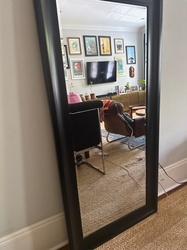
This is a substantial architectural wall mirror featuring an expansive frame hand-carved from solid teak wood. Measuring 66 inches in width and 45 inches in length with a slim 0.5-inch depth profile, the piece exhibits high-quality Southeast Asian craftsmanship, likely originating from Indonesia or Thailand. The wood displays a rich, warm reddish-brown natural teak finish with visible grain patterns. The design comprises a wide top header with geometric pierced-work carvings, resembling traditional architectural lintels. The vertical pilasters and curved corner brackets are adorned with deep relief floral and foliate motifs, characteristic of traditional artisanal woodworking. The frame surrounds a large central mirror pane which appears to be in good reflective condition, though there is minor surface dust visible. Structurally, the teak shows excellent durability with no significant warping or splits apparent. Small variations in the carving and joinery highlight its handmade nature. The overall style suggests a contemporary production (late 20th to early 21st century) inspired by classical Balinese or Javanese architectural elements. The thin depth indicates it was specifically engineered for interior wall mounting rather than as a structural doorway component.

AI Appraisal Report

·AI can make mistakes·Verify before acting
Based on my examination of this hand-carved teak architectural mirror, I have assessed its value within the current secondary market for high-end global decor. The piece demonstrates high-caliber Southeast Asian craftsmanship, specifically reflecting Javanese or Balinese aesthetic traditions. The 66-inch width and extensive pierced-work carvings on the lintel distinguish it from mass-produced 'imitation' carvings commonly found in retail imports. The choice of solid teak, a wood prized for its density and natural oils, adds significant intrinsic value. The condition appears excellent; I observe no structural checking or joinery separation, which often plagues tropical wood items relocated to drier climates. The thin 0.5-inch profile is a clever modification for modern residential use, making it an attractive ‘statement piece’ for foyers or dining rooms. Market demand for large-scale architectural salvage and artisanal furniture remains steady among interior designers. Comparables for similar hand-carved teak mirrors of this scale typically realize between $1,200 and $2,000 at specialty boutiques or high-end estate auctions. However, the lack of a manufacturer’s mark or documented provenance slightly limits its ceiling compared to pieces attributed to known master woodworkers. Limitations: This appraisal is based on visual data. I cannot definitively confirm teak species (Tectona grandis) or assess the silvering on the mirror's reverse without a physical inspection. A full authentication would require checking the joinery techniques (mortise and tenon vs. modern fasteners) and examining the wood grain under magnification to rule out stained cheaper hardwoods like Suar. Provenance documentation regarding its import history would also be required for a formal insurance valuation.

Get your items appraised

Instant estimates of your treasures with AI-powered appraisals

Browse More Appraisals