AI Appraisal Estimate

AI-generated estimates · not official valuations

From the user

What was submitted

Photo and notes provided by the user — not generated by AI

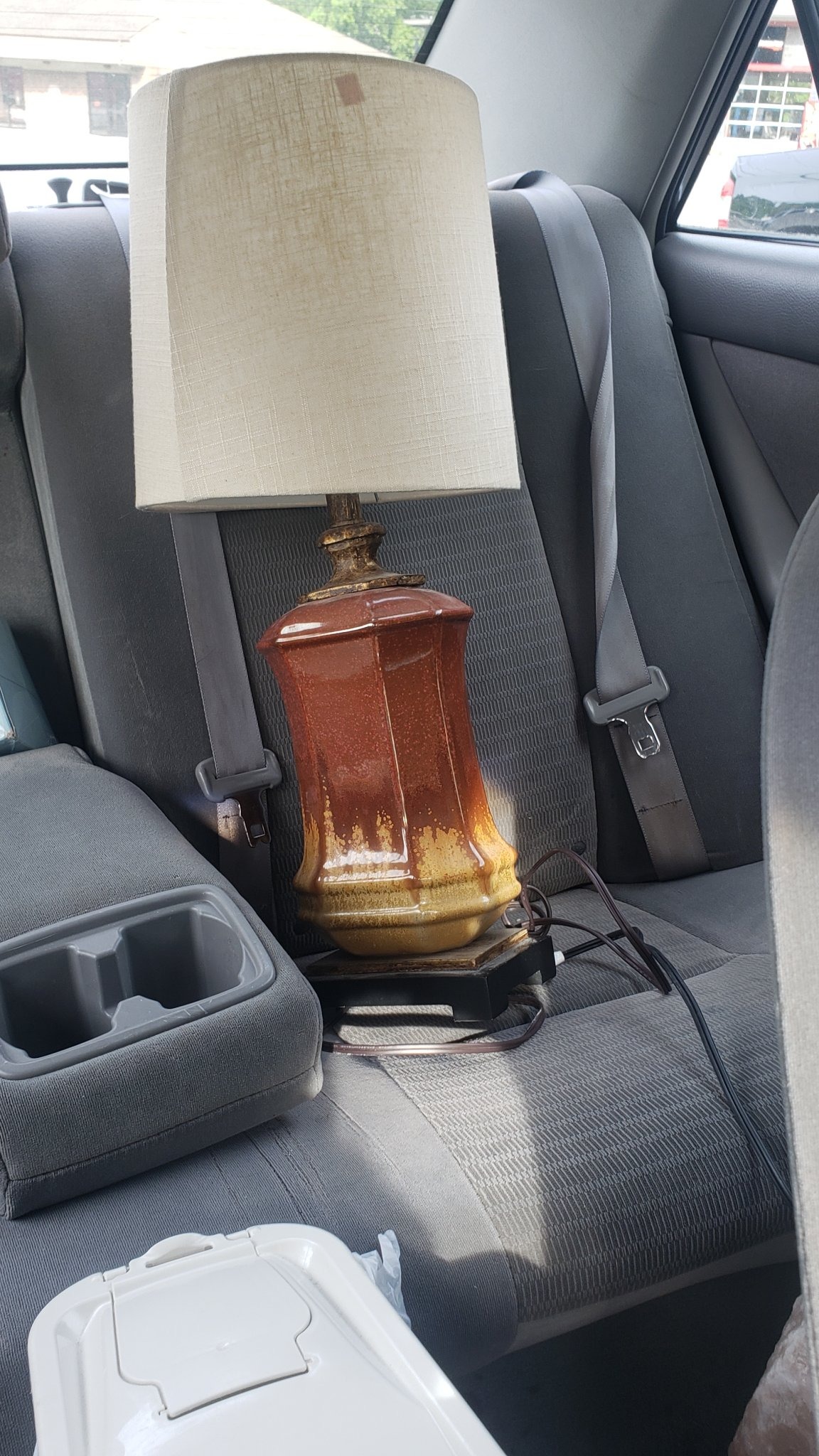
Submitted item photo
Submitted photo · June 15, 2026

User's notes

No additional notes provided.

AI analysis below

AI appraisal

AI analysis & estimate

AI-Generated · Verify before acting

Everything below is generated by AI for informational purposes only. AI can make mistakes — the AI may misidentify items or misattribute them (artist, maker, brand, designer, origin, era). This is not an official valuation and should not be used for insurance, sale, tax, estate, legal, or lending purposes — or any decision requiring a certified appraisal. It is not an authoritative claim about any person, brand, or rights holder — do not share or rely on it as a factual statement about a third party. Always consult qualified professionals before making financial decisions.

Read the full disclaimer

AI Identification

·Not independently authenticated·Verify before acting

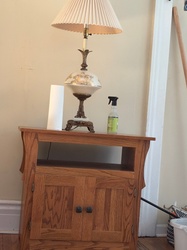
Mid-Century Modern Hexagonal Drip Glaze Ceramic Table Lamp

Home Decor - Lighting / Vintage Furniture

AI Estimated Value

·Not an official valuation·Verify before acting

$175 - $250

As of June 15, 2026

AI Item Analysis

·AI can make mistakes·Verify before acting
This is a vintage Mid-Century Modern table lamp featuring a distinctive hexagonal-shaped ceramic body. The lamp exhibits a rich 'fat lava' or drip glaze technique, characterized by a deep reddish-brown (burnt sienna) top section that blends irregularly into a lighter mustard-yellow or ochre base. The glaze has a speckled, high-gloss finish typical of American pottery from the 1960s to 1970s. The ceramic body sits atop what appears to be a dark finished wooden or weighted metal base unit with a tiered rectangular design. The hardware at the top includes a decorative brass-toned or antiqued gold-finished neck and finial assembly, showing some oxidation and age-related patina. The lamp is fitted with an off-white or cream-colored fabric drum shade with a linen-like texture, which may be a later replacement given its relatively clean state. The electrical cord is a brown plastic-coated wire, suggesting the item may still have its original mid-to-late 20th-century wiring. Visible condition issues include some minor surface wear on the base edges and potential fraying on the shade interior. Hand-crafted qualities are evident in the irregular flow of the glaze drips, making the color pattern unique to this specific piece. While no maker's mark is visible in the photograph, the style and glaze are highly reminiscent of manufacturers such as Haeger or McCoy during the 1970s.

AI Appraisal Report

·AI can make mistakes·Verify before acting
Based on my visual inspection of this Mid-Century Modern hexagonal ceramic lamp, I find it to be an authentic example of late 1960s to early 1970s American decorative lighting. The 'drip glaze' or 'fat lava' style finish, transitioning from burnt sienna to ochre, is consistent with the production techniques of major Ohio-based potteries such as Haeger or McCoy. The high-gloss speckled finish remains vibrant, though the oxidation on the brass-toned hardware and base wear indicates chronological age consistent with its style. The market for colorful MCM ceramics remains stable, though prices for unmarked pieces are lower than those for verified designer names like Bitossi or Royal Haeger. Comparable sales for similar hexagonal drip-glaze lamps generally fall between $150 and $300, depending on the integrity of the original hardware and the quality of the shade. This piece benefits from having a functional, albeit likely replaced, drum shade that complements the era. However, the original wiring poses a minor safety liability for modern use, which is reflected in the valuation. My appraisal is limited by the digital nature of this inspection. I cannot definitively verify the manufacturer without a bottom signature or identifying foil sticker, both of which are common in this era but often lost. Furthermore, I cannot verify the structural integrity of the ceramic or the safety of the internal electrical components. Full authentication would require an in-person examination of the ceramic's clay body (paste) color and weight, a signature search on the base, and testing of the electrical circuit. This valuation assumes the ceramic body is free of hairline fractures and significant chips.

Get your items appraised

Instant estimates of your treasures with AI-powered appraisals

Browse More Appraisals