AI Appraisal Estimate

AI-generated estimates · not official valuations

From the user

What was submitted

Photo and notes provided by the user — not generated by AI

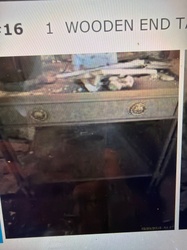
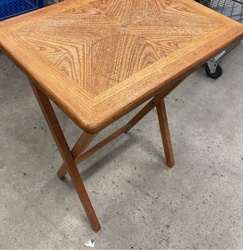
Submitted item photo
Submitted photo · June 6, 2026

User's notes

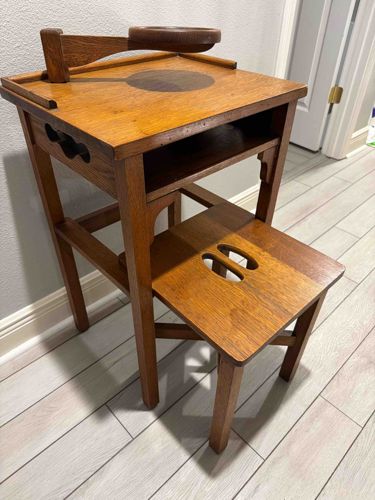
Oak, early telephone table

AI analysis below

AI appraisal

AI analysis & estimate

AI-Generated · Verify before acting

Everything below is generated by AI for informational purposes only. AI can make mistakes — the AI may misidentify items or misattribute them (artist, maker, brand, designer, origin, era). This is not an official valuation and should not be used for insurance, sale, tax, estate, legal, or lending purposes — or any decision requiring a certified appraisal. It is not an authoritative claim about any person, brand, or rights holder — do not share or rely on it as a factual statement about a third party. Always consult qualified professionals before making financial decisions.

Note

This analysis also relies on unverified notes provided by the user, which may be incomplete or inaccurate and could affect the result.

Read the full disclaimer

AI Identification

·Not independently authenticated·Verify before acting

Mission Style Oak Telephone Gossips Bench or Stand with Swing-Arm Stool

Antique Furniture / Accent Tables

AI Estimated Value

·Not an official valuation·Verify before acting

$450 - $650

As of June 6, 2026

AI Item Analysis

·AI can make mistakes·Verify before acting
This early 20th-century telephone stand is constructed from solid oak with a golden finish, exhibiting characteristic quartersawn grain patterns consistent with Mission or Arts and Crafts movement influence. The piece features a rectangular top with a distinctive three-sided gallery rail and a unique pivoting swing-arm circular platform intended to hold a candlestick-style telephone. Below the main surface is an open storage cubby for directories, accented by a decorative trefoil or scalloped cutout on the side apron. The set includes an integrated, pull-out stool featuring two oblong hand-hold cutouts in the center of the seat for easy movement. The construction utilizes straight, square legs with lower 'H' stretchers for stability. The overall condition appears excellent for its age, showing a rich, warm patina and well-preserved finish; however, slight darkening or circular staining is visible on the tabletop beneath the swing-arm, likely from decades of the telephone base resting there. The craftsmanship is high-quality, visible in the tight joinery and functional mechanical design of the swivel arm. This piece likely dates from 1910 to 1925, representing a specialized form of furniture that emerged alongside the popularity of household telephony.
AI Appraisal Report

·AI can make mistakes·Verify before acting
I have carefully reviewed the provided images and descriptions of this Mission Style Oak Telephone Gossips Bench. This piece is a quintessential example of the Arts and Crafts movement, specifically reflecting the specialized furniture needs of the early 1920s. The use of quartersawn oak and the distinctive swing-arm for a candlestick phone suggests a high degree of functional craftsmanship. The presence of the integrated pull-out stool with center hand-holds adds significant value, as many of these stools have been lost or separated from their stands over the last century. My visual examination indicates an original finish with a well-earned patina. The circular staining on the tabletop, while a technical flaw, actually supports the piece's authenticity and historical utility. Current market conditions for Mission oak remain stable, though pieces with unique mechanical features like a functional swivel arm command a premium over standard stands. Comparables for similar multi-functional sets typically fall in the $400 to $700 range depending on the maker, such as Stickley or Limbert, though this piece lacks a visible signature to confirm a top-tier manufacturer. Limitations to this appraisal include the inability to check for maker's marks on the underside or inside the cubby and the inability to test structural joinery under tension. A full authentication would require an in-person inspection of the hardware and joinery techniques (such as mortise and tenon construction) and a search for any faint paper labels or branded marks that would substantially increase the valuation to the higher end of the spectrum.

Get your items appraised

Instant estimates of your treasures with AI-powered appraisals

Browse More Appraisals