AI Appraisal Estimate

AI-generated estimates · not official valuations

From the user

What was submitted

Photo and notes provided by the user — not generated by AI

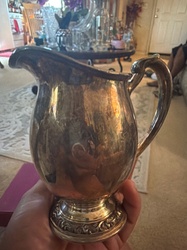
Submitted item photo
Submitted photo · June 8, 2026

User's notes

No additional notes provided.

AI analysis below

AI appraisal

AI analysis & estimate

AI-Generated · Verify before acting

Everything below is generated by AI for informational purposes only. AI can make mistakes — the AI may misidentify items or misattribute them (artist, maker, brand, designer, origin, era). This is not an official valuation and should not be used for insurance, sale, tax, estate, legal, or lending purposes — or any decision requiring a certified appraisal. It is not an authoritative claim about any person, brand, or rights holder — do not share or rely on it as a factual statement about a third party. Always consult qualified professionals before making financial decisions.

Read the full disclaimer

AI Identification

·Not independently authenticated·Verify before acting

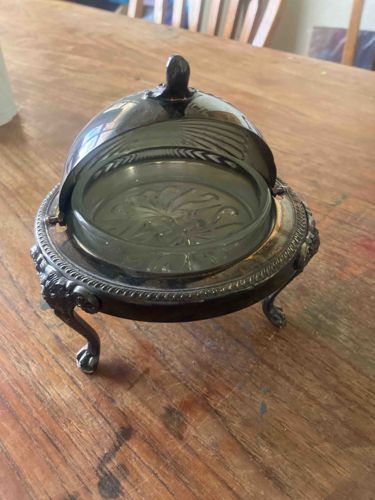
Victorian Style Silver-Plated Revolving Butter Dish

Antique/Vintage Tableware and Silver Plate

AI Estimated Value

·Not an official valuation·Verify before acting

$45–$85

As of June 8, 2026

AI Item Analysis

·AI can make mistakes·Verify before acting
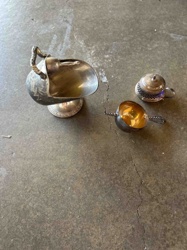
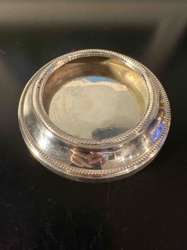
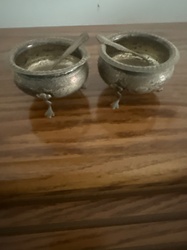
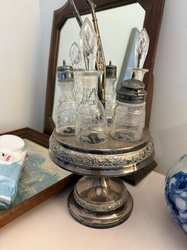
This is a vintage or antique-style revolving butter dish, likely dating from the early to mid-20th century, drawing heavy influence from Victorian silver plate designs. The item consists of three primary components: a silver-plated metal stand, a rotating hemispherical dome lid, and a fitted glass liner. The stand is elevated on four ornate cabriole-style legs featuring claw-and-ball or acanthus leaf motifs, which transition into a decorative beaded or gadrooned rim. The rotating lid (roll-top) displays cast scroll patterns and a decorative finial handle for operation. Inside, a circular glass insert is present, featuring a pressed starburst or floral intaglio pattern on the bottom to hold the butter. The metal surfaces show significant signs of age-related oxidation and tarnish, particularly in the crevices of the ornate casting, suggesting it is silver-plated over a base metal like copper or britannia metal rather than solid sterling. There is no visible maker's mark in the photograph, though these are typically found on the underside of the base. The construction demonstrates mid-range craftsmanship with cast elements and mechanical hinges for the roll-top feature. Condition appears fair, with heavy patina and possible thinning of the silver plate at contact points, though the mechanical function and glass liner appear intact.
AI Appraisal Report

·AI can make mistakes·Verify before acting
Based on my visual examination of this Victorian-style silver-plated revolving butter dish, I have determined it to be a mid-20th-century revival piece rather than a mid-19th-century original. The construction features cast elements and a roll-top mechanism typical of mass-produced silver plate from the 1940s–60s. The presence of heavy tarnish and oxidation suggests a base metal of britannia metal or copper, with visible thinning of the silver layer (bleeding) at the high points of the scrollwork. The condition is fair. While the glass liner remains intact—a vital component for value—the significant oxidation and lack of a visible high-tier maker’s mark (such as EPNS or a prestigious English silversmith) suggest this was a standard household item. In the current market, decorative silver plate of this type faces low demand compared to sterling silver. Comparables at auction and in antique malls consistently realize prices under $100 unless they possess an verifiable provenance or a rare manufacturer mark like Elkington & Co. Limitation of Valuation: This assessment is based solely on digital imagery. A full authentication would require an in-person inspection to locate hallmarks on the underside of the base, which would confirm origin and date. Furthermore, physical testing (such as an acid test or X-ray fluorescence) would be necessary to definitively rule out solid silver content, though the tarnish pattern strongly indicates plating. Without documentation of provenance or a confirmed maker, this remains a decorative 'shabby chic' collectible rather than a museum-quality investment piece.

Get your items appraised

Instant estimates of your treasures with AI-powered appraisals

Browse More Appraisals