AI estimate as of October 16, 2025 · verify with a professional before acting
AI-Generated · Verify before acting
Everything on this page is generated by AI for informational purposes only. AI can make mistakes — the AI may misidentify items or misattribute them (artist, maker, brand, designer, origin, era). This is not an official valuation and should not be used for insurance, sale, tax, estate, legal, or lending purposes — or any decision requiring a certified appraisal. It is not an authoritative claim about any person, brand, or rights holder — do not share or rely on it as a factual statement about a third party. Always consult qualified professionals before making financial decisions.
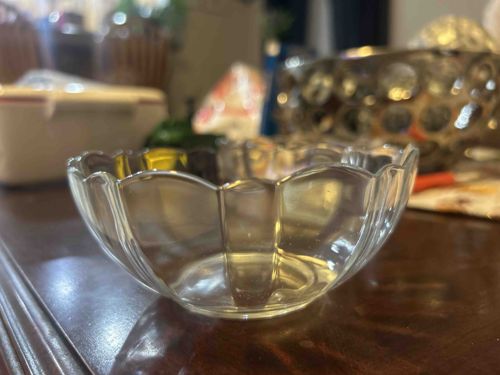
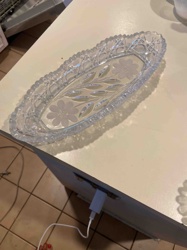
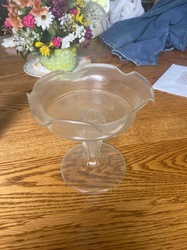
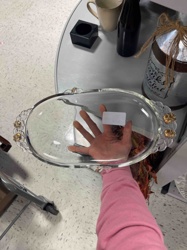
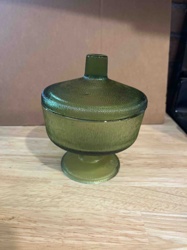
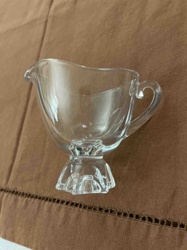
This item is a small, clear pressed glass bowl, characterized by its distinctive scalloped rim and fluted or paneled sides. The material is transparent glass, allowing light to pass through and reflect off its surfaces. The bowl features a circular base which appears flat, gradually expanding outwards and upwards to a wider, undulating rim. The sides of the bowl are formed by a series of vertical panels or flutes, which create a ridged texture, adding both visual interest and structural depth to the design. The scalloped rim is a prominent decorative feature, with each scallop corresponding to one of the vertical panels, creating a flowing, wave-like edge. The overall construction suggests it was made using a press-molding technique, common for producing patterned glass items efficiently. There are no visible chips, cracks, or significant abrasions on the glass surface, indicating a good to very good condition, though the clarity of the glass could be affected by minor surface scratches or water spots not discernible from the image. No specific maker's marks or signatures are visible. This type of utilitarian yet decorative glass bowl was popular in various periods, particularly from the late 19th to mid-20th century, often manufactured in sets.
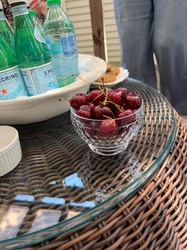
Its approximate size appears to be suitable for serving individual portions of dessert, nuts, or condiments, likely with a diameter of 4-6 inches. The simple elegance of the clear glass, combined with its functional design, points to a common household item. The quality of the glass appears good, lacking significant bubbles or imperfections, which would suggest a decent standard of mass-produced glassware. The craftsmanship is typical of pressed glass items, offering a consistent pattern and form. The design, while classic, doesn't suggest a particularly rare or high-end piece.
AI Appraisal Report
Upon examining the images provided, I have assessed this item as a clear pressed glass bowl with a scalloped rim and fluted sides. My assessment is based on the visual characteristics typical of mass-produced glassware from the late 19th to mid-20th century. The bowl appears to be in very good condition, with no visible chips or cracks. The clarity of the glass is commendable for an item of its likely age and type.
The market for common pressed glass pieces like this is generally stable but modest. Similar bowls, often referred to as 'berry bowls' or 'nut dishes', are frequently found in antique shops and online marketplaces. Comparables from major manufacturers of the era (e.g., Anchor Hocking, Hazel-Atlas, Jeanette Glass), which this piece resembles, typically sell in the $5 to $15 range. Demand is driven by collectors of specific patterns or individuals seeking affordable, functional vintage glassware. This particular pattern does not appear to be exceptionally rare or from a highly sought-after, named pattern, which is the primary factor limiting its value. Its value lies in its decorative and functional appeal as a classic piece of Americana glassware rather than its rarity.
It is important to note that this appraisal is limited to a visual inspection via digital images. A definitive attribution to a specific maker is not possible without physical examination for faint maker's marks, which are common on the base of such items. An in-person inspection would also allow me to feel for any subtle surface wear, confirm the glass quality, and cross-reference the specific pattern against catalogues for positive identification, which could slightly alter the value if a rare pattern is discovered.