AI estimate as of September 10, 2025 · verify with a professional before acting
AI-Generated · Verify before acting
Everything on this page is generated by AI for informational purposes only. AI can make mistakes — the AI may misidentify items or misattribute them (artist, maker, brand, designer, origin, era). This is not an official valuation and should not be used for insurance, sale, tax, estate, legal, or lending purposes — or any decision requiring a certified appraisal. It is not an authoritative claim about any person, brand, or rights holder — do not share or rely on it as a factual statement about a third party. Always consult qualified professionals before making financial decisions.
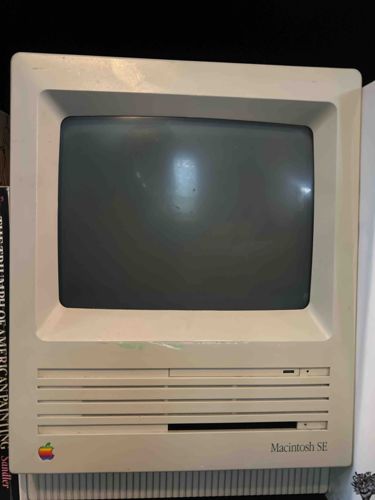
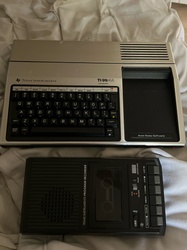
The item is an Apple Macintosh SE all-in-one personal computer, a classic model from the late 1980s. It features a compact, integrated design with a built-in monochrome CRT display and beige plastic casing, characteristic of Apple's 'Snow White' design language of that era. The physical dimensions appear to be consistent with the desktop footprint of these compact Macs, approximately 13.6 inches (34.5 cm) high, 9.6 inches (24.4 cm) wide, and 10.9 inches (27.7 cm) deep. The color is off-white or beige, a common shade for electronics from this period, which has likely yellowed over time due to UV exposure, a phenomenon known as 'retrobrite' or 'yellowing' of ABS plastics. The top left corner of the casing shows some noticeable scratches or scuffs, indicating wear. There is also a distinct green stain or mark on the front panel below the screen, suggesting some form of spill or discoloration. The screen itself appears dark, indicating it is powered off, but also shows some dust accumulation and perhaps minor surface marks. Below the screen, the front panel features horizontal ventilation grilles, a common design element for these machines, and a horizontal slot which is characteristic of a floppy disk drive, likely a 3.5-inch drive. To the bottom left of the front panel, the iconic rainbow-colored Apple logo is clearly visible, while 'Macintosh SE' is printed in black lettering on the bottom right. The overall condition suggests moderate use and age-related wear, but no severe structural damage is immediately apparent. The craftsmanship is typical of Apple products from this period, emphasizing clean lines and functional integration. This model was produced between 1987 and 1990, placing its style period squarely in the late 1980s personal computing era.
AI Appraisal Report
Based on my visual examination of the provided image, I assess this Apple Macintosh SE All-in-One Personal Computer. Authenticity appears very high; the design, branding (rainbow Apple logo, 'Macintosh SE' lettering), and characteristic physical attributes such as the beige 'Snow White' casing, integrated monochrome CRT, and floppy drive slot are all consistent with genuine Macintosh SE models produced between 1987 and 1990. The craftsmanship aligns with Apple's production standards of that era.
From the image, I perceive the condition as fair to good for its age. The ubiquitous yellowing of the ABS plastic, consistent with UV exposure over decades, is present. Notable conditional detractors include scuffing on the top-left corner and a distinct green stain on the front panel below the screen, indicating some form of spill or discoloration. Dust accumulation on the screen is also visible. These cosmetic flaws, while not severe, do impact the collectible value. No severe structural damage is apparent, which is positive.
Market conditions for vintage Apple computers, particularly compact Macs, show steady demand among collectors and enthusiasts. Comparables for Macintosh SE models in fair, working condition typically range from $300-$600, with pristine, fully functional examples commanding higher prices. This specific unit's cosmetic issues place it towards the lower end of that range. Rarity is moderate; while not extremely rare, finding units in good operational condition becomes increasingly challenging. The primary factors impacting its value downward are the cosmetic blemishes.
It is crucial to note the limitations of authenticity verification from images alone. Without physical inspection, I cannot confirm operational status, internal component authenticity (e.g., original motherboard, RAM), or the presence of any internal modifications or damage. A thorough in-person examination would be needed to assess internal corrosion, capacitor leakage, and confirm functionality of the CRT, logic board, and floppy drive. Provenance documentation (original purchase receipts, service records) would further enhance authentication and value. Scientific testing for plastic composition could verify the type of ABS if needed, but the visual cues are strong enough to suggest authenticity of the model type portrayed.