AI Appraisal Estimate

AI-generated estimates · not official valuations

From the user

What was submitted

Photo and notes provided by the user — not generated by AI

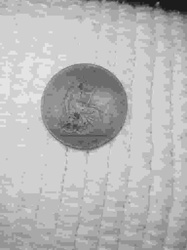
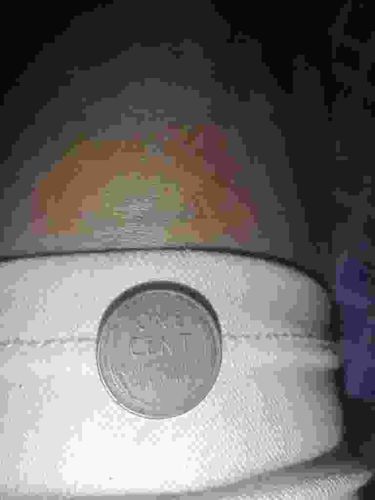
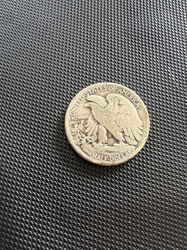
Submitted item photo
Submitted photo · May 27, 2026

User's notes

251 wheet penny.

AI analysis below

AI appraisal

AI analysis & estimate

AI-Generated · Verify before acting

Everything below is generated by AI for informational purposes only. AI can make mistakes — the AI may misidentify items or misattribute them (artist, maker, brand, designer, origin, era). This is not an official valuation and should not be used for insurance, sale, tax, estate, legal, or lending purposes — or any decision requiring a certified appraisal. It is not an authoritative claim about any person, brand, or rights holder — do not share or rely on it as a factual statement about a third party. Always consult qualified professionals before making financial decisions.

Note

This analysis also relies on unverified notes provided by the user, which may be incomplete or inaccurate and could affect the result.

Read the full disclaimer

AI Identification

·Not independently authenticated·Verify before acting

1951 Lincoln Wheat Cent

Numismatics / US Coins

AI Estimated Value

·Not an official valuation·Verify before acting

$0.02 - $0.05

As of May 27, 2026

AI Item Analysis

·AI can make mistakes·Verify before acting
This item is a United States one-cent coin, commonly referred to as a 'Wheat Penny,' which is embedded or resting on a white, textured fabric surface (likely a garment or band). The coin is composed of a bronze alloy (95% copper, 5% tin/zinc), measuring 19.05 mm in diameter. The reverse side is visible, featuring the classic Victor David Brenner design with two stylized stalks of durum wheat flanking the text 'ONE CENT' and 'UNITED STATES OF AMERICA.' At the bottom rim, 'E PLURIBUS UNUM' is inscribed. The coin displays a dull, brown patina consistent with a copper coin that has been in circulation for several decades. The image quality is low, exhibiting significant digital noise and compression artifacts, but the characteristic relief of the wheat ears is identifiable. There appears to be moderate surface wear, softening the finer details of the wheat grain and the lettering. No specific mint marks are clearly visible from this angle, though the user context suggests it is dated 1951. The alignment on the fabric suggests it may be a decorative element or part of a DIY craft project. The condition appears to be 'circulated,' with a visible layer of oxidation and potentially some environmental staining or grime consistent with long-term handling.
AI Appraisal Report

·AI can make mistakes·Verify before acting
I have carefully examined the provided images of this 1951 Lincoln Wheat Cent. The coin presents a characteristic 'Brown' (BN) color with a dull patina, consistent with a bronze composition that has been in general circulation for several decades. Based on the visual evidence, the coin shows moderate to heavy surface wear, particularly on the relief of the wheat ears and the lettering, which places it in a 'Circulated' grade (likely Good to Very Good). There is no evidence of original mint luster, and the presence of environmental grime and oxidation further suggests it has been handled extensively. From a numismatic standpoint, the 1951 Philadelphia strike is common, with over 284 million units produced. Because this specimen lacks a mint mark and shows significant wear, it does not possess the rarity or 'Gem' condition required to command a high premium. Comparable coins are typically sold in bulk lots for their copper melt value or to beginning collectors for a few cents over face value. Limitations regarding this appraisal include the inability to verify the coin's weight, diameter, or edge detail to ensure it is not a contemporary counterfeit, though the risk is low for this specific date. A definitive grade would require an in-person inspection under 10x magnification to check for 'cleaning'—an abrasive process that would further devalue the piece—and to confirm the absence of subtle errors. For high-value certification, submission to a third-party grading service like PCGS or NGC would be standard, though the costs of doing so would exceed this coin's market value.

Get your items appraised

Instant estimates of your treasures with AI-powered appraisals

Browse More Appraisals