AI Appraisal Estimate

AI-generated estimates · not official valuations

From the user

What was submitted

Photo and notes provided by the user — not generated by AI

Submitted item photo
Submitted photo · July 15, 2026

User's notes

No additional notes provided.

AI analysis below

AI appraisal

AI analysis & estimate

AI-Generated · Verify before acting

Everything below is generated by AI for informational purposes only. AI can make mistakes — the AI may misidentify items or misattribute them (artist, maker, brand, designer, origin, era). This is not an official valuation and should not be used for insurance, sale, tax, estate, legal, or lending purposes — or any decision requiring a certified appraisal. It is not an authoritative claim about any person, brand, or rights holder — do not share or rely on it as a factual statement about a third party. Always consult qualified professionals before making financial decisions.

Read the full disclaimer

AI Identification

·Not independently authenticated·Verify before acting

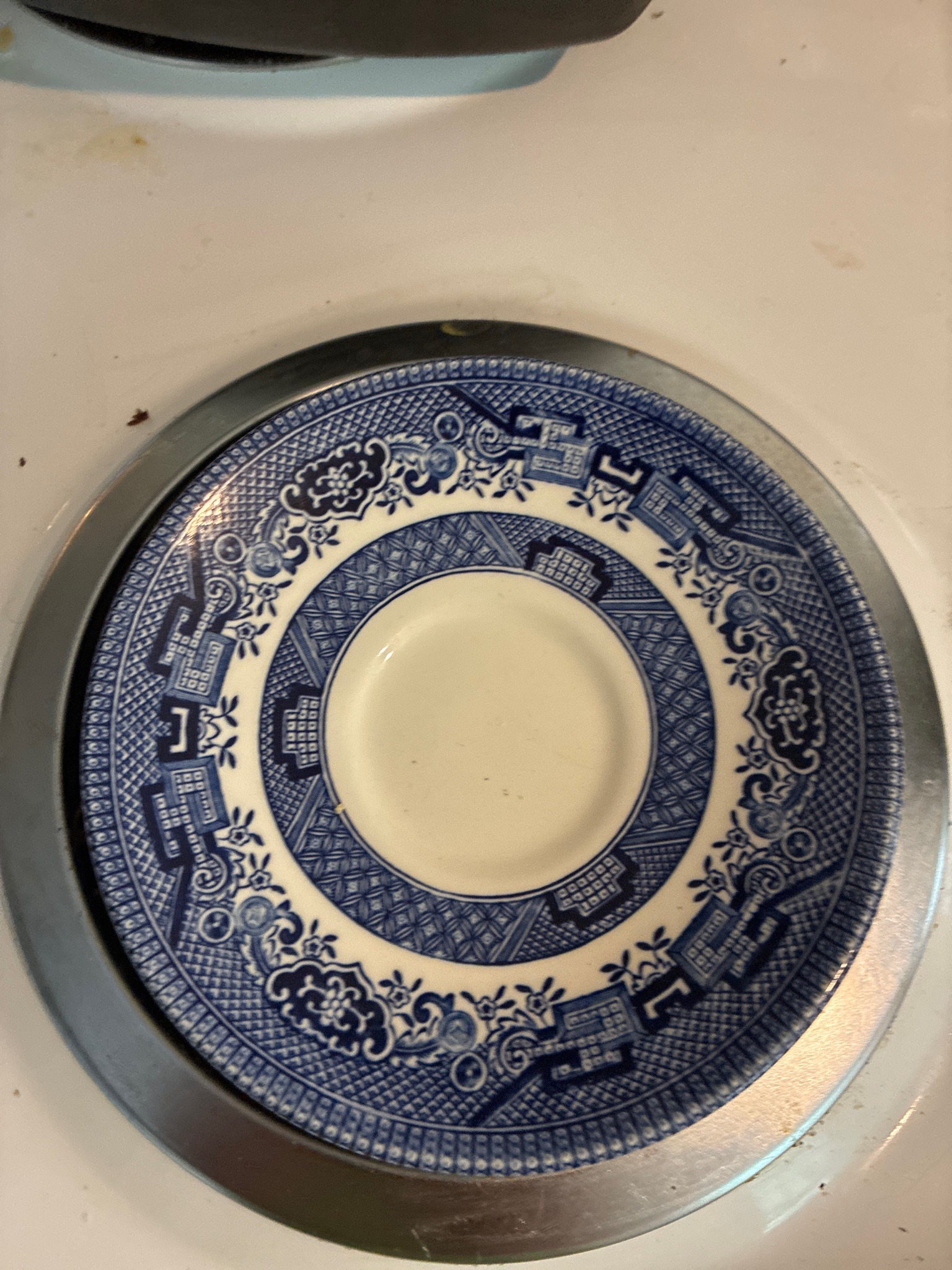
Ceramic saucer in the Blue Willow style

Ceramics and Tableware

AI Estimated Value

·Not an official valuation·Verify before acting

$5 - $15

As of July 15, 2026

AI Item Analysis

·AI can make mistakes·Verify before acting
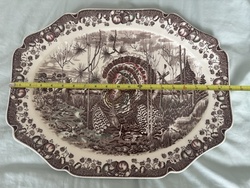
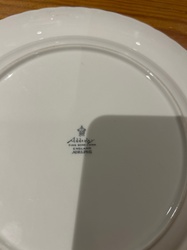
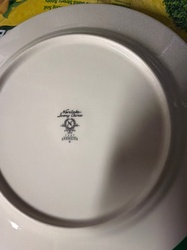
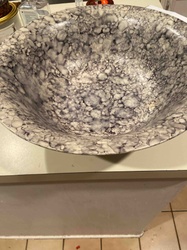
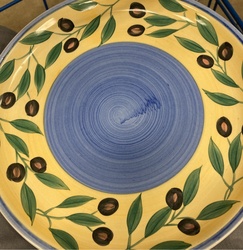
This item is a circular ceramic saucer, appearing to be made of porcelain or earthenware, featuring a classic transfer-printed design in blue on a white or cream background. The ornamentation is stylistically consistent with the traditional 'Blue Willow' pattern, a Chinoiserie design that became popular in the late 18th century. The decoration consists of concentric bands: a central plain well for a teacup, surrounded by a band featuring a diaper pattern intertwined with geometric fretwork icons, and an outer rim decorated with a complex border of floral motifs, scrolls, and hatching. The blue pigment shows variations in saturation, which is common in transferware. No maker's mark or manufacturer information is visible in the image, as the underside of the piece is not shown. In terms of condition, the glaze appears intact and glossy; however, some small dark inclusions or pinpoint marks are visible in the central well, which could be firing defects or minor surface wear. Because no branding or backstamps are visible, this is identified based on its ubiquitous decorative pattern rather than a specific manufacturer like Spode or Churchill. The piece appears to be a 20th-century or contemporary iteration of the style, though an accurate age cannot be established without physical inspection of the clay body and backstamp.
AI Appraisal Report

·AI can make mistakes·Verify before acting
Based on my examination of the provided image, I have analyzed this circular ceramic saucer featuring a transfer-printed Blue Willow style pattern. From what I can see, the piece displays characteristic Chinoiserie motifs including diaper patterns and geometric fretwork. However, I cannot verify the manufacturer, exact composition of the ceramic body, or age from a photo alone, as the underside and backstamps are not visible. The value estimate is based on the assumption that this is a 20th-century or contemporary mass-produced iteration of the pattern. Because the Blue Willow design has been produced by hundreds of potteries for over two centuries, market demand for unattributed, modern examples is typically very low. If this piece were found to bear a mark from a prestigious 19th-century maker like Spode or Minton, the value could increase slightly to the $30–$50 range. Conversely, as a standard utilitarian piece, its value rests primarily on its decorative function. The visible pinpoint marks in the glaze, which may be firing defects or wear, further suggest a non-premium production. A physical inspection is required to confirm the clay's translucency and to examine any existing hallmarks to better narrow the production date. Without provenance or a verifiable mark, the item must be treated as a generic 'in the style of' piece. Currently, the market for common transferware is saturated, and items of this type are frequently sold in large sets rather than as individual saucers, which limits the secondary market value for a single detached component like this one.

Get your items appraised

Instant estimates of your treasures with AI-powered appraisals

Browse More Appraisals