AI Appraisal Estimate

AI-generated estimates · not official valuations

From the user

What was submitted

Photo and notes provided by the user — not generated by AI

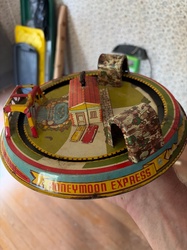
Submitted item photo
Submitted photo · May 25, 2026

User's notes

Antique toy

AI analysis below

AI appraisal

AI analysis & estimate

AI-Generated · Verify before acting

Everything below is generated by AI for informational purposes only. AI can make mistakes — the AI may misidentify items or misattribute them (artist, maker, brand, designer, origin, era). This is not an official valuation and should not be used for insurance, sale, tax, estate, legal, or lending purposes — or any decision requiring a certified appraisal. It is not an authoritative claim about any person, brand, or rights holder — do not share or rely on it as a factual statement about a third party. Always consult qualified professionals before making financial decisions.

Note

This analysis also relies on unverified notes provided by the user, which may be incomplete or inaccurate and could affect the result.

Read the full disclaimer

AI Identification

·Not independently authenticated·Verify before acting

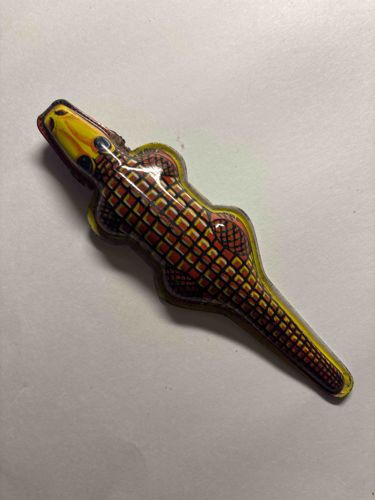
Vintage Lithographed Tin Clicker Cricket Toy - Crocodile

Antique and Vintage Tin Toys

AI Estimated Value

·Not an official valuation·Verify before acting

$45 - $65

As of May 25, 2026

AI Item Analysis

·AI can make mistakes·Verify before acting
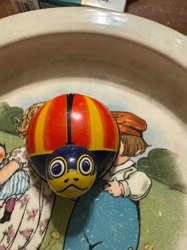
This is a mid-20th century vintage clicker toy, also known as a 'cricket,' shaped like a crocodile or alligator. The item is constructed from thin sheet metal, specifically lithographed tin, featuring a vibrant color palette of yellow, bright orange, and dark brown to simulate the scaly texture of reptilian skin. The design is stamped into a three-dimensional form with a distinct head, bulging eyes, a tapered body with four slightly protruding limbs, and a long tail. The underside typically contains a flexible metal strip that, when pressed and released, creates a sharp clicking sound. Measuring approximately 3 to 4 inches in length, this toy represents a classic piece of mid-century novelty manufacturing likely originating from Japan or Germany. The condition appears fair to good, with some visible surface wear, minor scratches in the lithography, and potential oxidation/rust along the crimped edges where the top and bottom plates meet. The gloss finish remains largely intact, suggesting light use. These toys were popular as party favors and promotional giveaways from companies like Cracker Jack during the 1940s through the 1960s. The craftsmanship is typical of mass-produced tin litho toys of that era, utilizing tab-and-slot construction methods.
AI Appraisal Report

·AI can make mistakes·Verify before acting
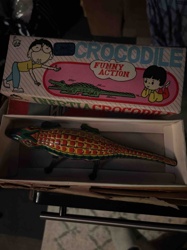
Based on my examination of this mid-20th-century lithographed tin crocodile 'cricket' toy, I have assessed its value based on current market performance for novelty tinware. The item displays characteristic stampings and tab-and-slot construction consistent with production from the 1940s-1950s. The lithography remains bright, though I observed surface abrasions and oxidation points along the crimped seams that are typical for this type of light-gauge sheet metal. Authenticity appears consistent with Japanese or Western European mass-produced party favors of the era. Market demand for 'penny toys' and litho clickers remains steady among toy collectors, though values are highly sensitive to condition and rarity. Simple crocodiles are more common than licensed characters or multi-colored 'snappers' from specific brands like Cracker Jack. Recent comparable sales for similar lithographed reptiles in 'fair to good' condition range between $35 and $75, depending on the crispness of the clicking mechanism and the lack of rust. Limitations of this appraisal: Because I am examining this via digital imagery, I cannot physically test the tensile strength of the interior spring steel or check for internal corrosion that might lead to failure. A full authentication would require a tactile inspection to confirm the weight of the tin and a lack of modern chemical coatings often used on reproductions. No scientific testing is required, but provenance documentation—such as original packaging or shop inventory records—could potentially double the value for high-end collectors.

Get your items appraised

Instant estimates of your treasures with AI-powered appraisals

Browse More Appraisals