AI Appraisal Estimate

AI-generated estimates · not official valuations

From the user

What was submitted

Photo and notes provided by the user — not generated by AI

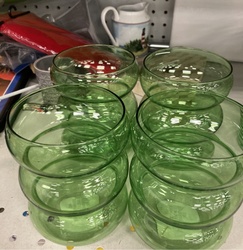
Submitted item photo
Submitted photo · June 17, 2026

User's notes

No additional notes provided.

AI analysis below

AI appraisal

AI analysis & estimate

AI-Generated · Verify before acting

Everything below is generated by AI for informational purposes only. AI can make mistakes — the AI may misidentify items or misattribute them (artist, maker, brand, designer, origin, era). This is not an official valuation and should not be used for insurance, sale, tax, estate, legal, or lending purposes — or any decision requiring a certified appraisal. It is not an authoritative claim about any person, brand, or rights holder — do not share or rely on it as a factual statement about a third party. Always consult qualified professionals before making financial decisions.

Read the full disclaimer

AI Identification

·Not independently authenticated·Verify before acting

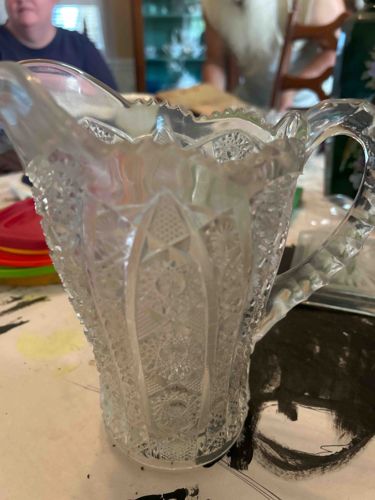
Pressed Glass Creamer or Pitcher

Tableware/Glassware

AI Estimated Value

·Not an official valuation·Verify before acting

$30-50

As of June 17, 2026

AI Item Analysis

·AI can make mistakes·Verify before acting
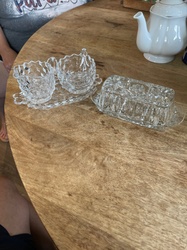
This item is a clear pressed glass creamer or small pitcher, characterized by its intricate patternwork. The overall shape is a classic pitcher silhouette with a wide mouth, a prominent pouring spout, and a C-shaped handle. The glass is transparent and appears to be colorless. The body of the pitcher is heavily ornamented with various geometric and floral-inspired pressed glass patterns, indicative of the 'American Brilliant Cut Glass' style, though it is pressed glass rather than cut. Notable patterns include intricate stars, cross-hatching, and fan-like motifs, arranged in vertical panels separated by plain raised ridges. The rim features a scalloped or sawtooth edge, adding to its decorative appeal. The handle is also made of clear glass, with a smooth surface transitioning into patterns near its attachment points to the body. Due to the nature of pressed glass, there may be mold lines visible, though they are not distinctly clear in the provided images. The overall condition appears good, with no obvious chips or cracks visible from the provided perspectives, though a thorough inspection would be required to confirm. The clarity of the glass suggests it has been well-maintained. This type of utilitarian yet decorative glassware was popular from the late 19th to early 20th century, suggesting an estimated age from that period. The craftsmanship, while not hand-cut, demonstrates the advanced techniques of machine pressing to create highly detailed relief patterns.
AI Appraisal Report

·AI can make mistakes·Verify before acting
I have examined the provided image of this clear pressed glass creamer or small pitcher. Visually, the item appears to be in good overall condition with no obvious chips, cracks, or significant abrasions. The clarity of the glass is noteworthy, suggesting good care or minimal use. The intricate pressed patterns, including stars, cross-hatching, and fan motifs, are typical of late 19th to early 20th-century American pressed glass, often mimicking the more expensive cut glass of the era. The scalloped rim and C-shaped handle are consistent with this period's common design elements for utilitarian glassware. Authenticity relies on the manufacturing technique; this is clearly pressed glass due to the inherent characteristics of the pattern's relief. Without physical inspection, I cannot definitively confirm the absence of mold lines, which are tell-tale signs of pressed glass and would differentiate it from truly cut glass. This item is not particularly rare; such creamers were mass-produced. The demand for pressed glass of this type is moderate, appealing primarily to collectors of antique glassware or individuals seeking period-appropriate decorative items. Factors impacting value include the commonality of the pattern, the material (pressed glass vs. cut glass), and its utilitarian nature. To fully authenticate and assess condition, a physical examination would be necessary to detect subtle chips, flea bites, internal stresses, or faint mold lines. I would also look for maker's marks, though they are often absent on such pieces. While visually appealing, this is a relatively common piece of antique pressed glass.

Get your items appraised

Instant estimates of your treasures with AI-powered appraisals

Browse More Appraisals