AI identification & appraisal estimate

Hand-Painted Oriental Miniature Vase or Sake Cup

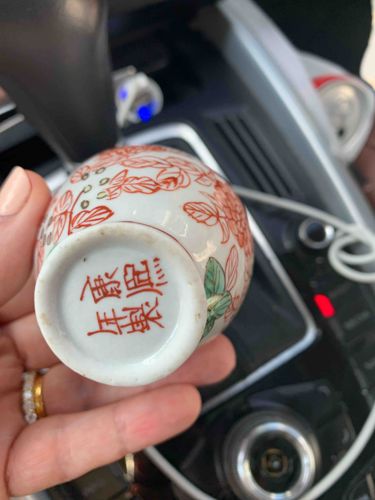
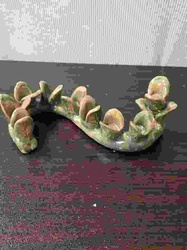
Submitted photo of Hand-Painted Oriental Miniature Vase or Sake Cup
Photo submitted by the user — not generated by AI

User's notes

Stamped

These notes were written by the person who submitted this item. Appraiser.AI has not verified them, and the AI's identification and estimate may rely on them.

AI Estimated Value

Not an official valuation

$40-80

AI estimate as of August 16, 2025 · verify with a professional before acting

AI-Generated · Verify before acting

Everything on this page is generated by AI for informational purposes only. AI can make mistakes — the AI may misidentify items or misattribute them (artist, maker, brand, designer, origin, era). This is not an official valuation and should not be used for insurance, sale, tax, estate, legal, or lending purposes — or any decision requiring a certified appraisal. It is not an authoritative claim about any person, brand, or rights holder — do not share or rely on it as a factual statement about a third party. Always consult qualified professionals before making financial decisions.

This analysis also relies on unverified notes provided by the user, which may be incomplete or inaccurate and could affect the result.

Read the full disclaimer

AI Item Analysis

This appears to be a small, hand-painted porcelain or ceramic vessel, likely a miniature vase or an individual sake cup (choko). Its physical characteristics include a rounded, bulbous body tapering slightly towards the rim, with a flat, recessed base. The primary color is a creamy white, serving as a background for elaborate hand-painted decorations in red-orange hues and hints of green and gold accents. The design features intricate floral or botanical motifs, possibly stylized peonies or chrysanthemums, with delicate outlines and varying shades to suggest depth. Gold dots or accents are visible within some of the floral elements, adding a touch of luxury. The most distinguishing feature is the red, calligraphic characters stamped or painted on the recessed base, likely a maker's mark, reign mark, or inscription. These characters are vertically oriented and appear to be either four or six characters. The visible condition suggests some minor wear, potentially light scuffs or slight discoloration on the base rim, consistent with age and typical handling. The surface appears to have a slight sheen, indicative of a glazed finish. The craftsmanship suggests it is a product of traditional Asian pottery, likely Chinese or Japanese, given the style and visible script. The precision of the hand-painting points to a quality piece, though its exact age cannot be determined without clearer identification of the mark. Based on the style, it could range from late 19th to mid-20th century, though earlier or later periods are possible depending on the specific dynasty or artistic tradition the mark indicates. The overall aesthetic is refined and decorative, meant for display or ceremonial use rather than heavy utility.
AI Appraisal Report

Upon visual examination of this vessel, which appears to be a Japanese porcelain sake cup (choko) or miniature vase, I assess it to be a piece of good quality craftsmanship, likely dating to the early to mid-20th century. The hand-painted decorations, featuring stylized botanicals in iron-red with gilt accents, are finely executed and consistent with Kutani or a similar style of Japanese export ware. The overall condition appears good, with minor wear on the base rim consistent with age. A key value determinant is the stamped red mark on the base, which reads '九谷' (Kutani) on the right and '庄三' (Shōza) on the left. This attribute connects the piece to the highly collectible Kutani Shōza style, known for its detailed and colorful designs. Market demand for well-executed Kutani ware remains steady, particularly for signed pieces. Comparables for signed Kutani Shōza sake cups from this period often sell in the $40 to $80 range at auction, depending on the complexity of the design and condition. The collectible nature of sake cups and the specific maker's mark are positive value factors. However, this appraisal is limited by its reliance on images alone. A definitive authentication requires in-person examination to assess the porcelain's weight, texture, and the quality of the glaze and enamel. Verifying the mark against known genuine examples and ruling out a later reproduction or forgery is critical. Without physical inspection, the authenticity of the 'Kutani Shōza' mark cannot be guaranteed, which is the most significant factor affecting its value.

Keep exploring

More ceramics appraisals

Get your items appraised

Instant AI-powered appraisal estimates from a photo

Browse More Appraisals