AI Appraisal Estimate

AI-generated estimates · not official valuations

From the user

What was submitted

Photo and notes provided by the user — not generated by AI

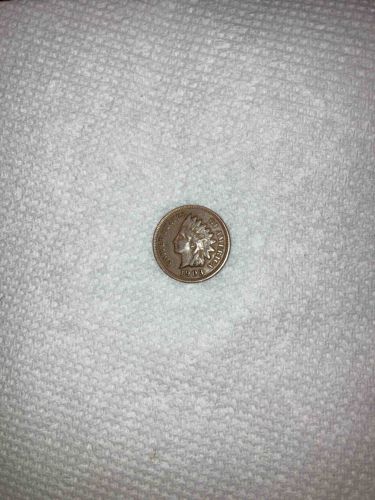
Submitted item photo
Submitted photo · May 25, 2026

User's notes

Indian penny

AI analysis below

AI appraisal

AI analysis & estimate

AI-Generated · Verify before acting

Everything below is generated by AI for informational purposes only. AI can make mistakes — the AI may misidentify items or misattribute them (artist, maker, brand, designer, origin, era). This is not an official valuation and should not be used for insurance, sale, tax, estate, legal, or lending purposes — or any decision requiring a certified appraisal. It is not an authoritative claim about any person, brand, or rights holder — do not share or rely on it as a factual statement about a third party. Always consult qualified professionals before making financial decisions.

Note

This analysis also relies on unverified notes provided by the user, which may be incomplete or inaccurate and could affect the result.

Read the full disclaimer

AI Identification

·Not independently authenticated·Verify before acting

Indian Head Cent (Indian Head Penny)

Coin

AI Estimated Value

·Not an official valuation·Verify before acting

$1 - $3

As of May 25, 2026

AI Item Analysis

·AI can make mistakes·Verify before acting
The item is an Indian Head Cent, commonly known as an Indian Head Penny. This particular coin appears to be made of a bronze or copper-nickel alloy, typical for this series, exhibiting a metallic gray-brown tone due to wear and likely a natural patina. The obverse prominently features a profile portrait of Liberty wearing a Native American headdress, facing left. The headdress is adorned with feathers, and a band across the front bears the inscription 'LIBERTY', although in this specimen, the lettering is quite worn. The date '1900' is clearly visible below the bust, indicating its production year. The rim of the coin shows some wear and minor nicks, consistent with circulation. The field of the coin, particularly around the portrait, shows signs of handling, with subtle scratches and loss of original luster. The overall condition suggests that the coin has been in circulation for a considerable period, leading to a softening of details in the higher relief areas of the design. The craftsmanship is typical of U.S. coinage from the late 19th and early 20th centuries, designed by James Barton Longacre. While specific mint marks are not discernible from this image, they would typically be located below the wreath on the reverse, which is not visible here. The coin's aesthetic reflects the numismatic style popular during its period of issue.

AI Appraisal Report

·AI can make mistakes·Verify before acting
I have examined the provided image of this Indian Head Cent, dated 1900. Authenticity appears good based on the visual characteristics aligning with known examples of the type, including the design by James Barton Longacre, 'LIBERTY' on the headdress (though worn), and the date placement. The metallic gray-brown tone suggests a bronze alloy, typical for this era. Regarding condition, this coin is clearly circulated. Details on Liberty's headdress, particularly the inscription 'LIBERTY', are quite worn, suggesting a grade in the Good (G) to Very Good (VG) range. The rim shows wear and minor nicks. Original luster is absent, and the fields exhibit handling marks and subtle scratches. While the date '1900' is clear, the overall softening of details indicates significant circulation. The 1900 Indian Head Cent is a common date with a mintage of over 66 million. Current market conditions for common date, circulated Indian Cents are relatively stable, driven by collector demand for entry-level pieces. Comparables in G-VG condition typically trade in the low single-digit dollar range. Demand remains consistent for these affordable coins, but rarity is not a factor for this specific year and condition. Factors significantly impacting value here are the common date and the heavily circulated condition. Had it been a key date or in a higher uncirculated grade, the value would be substantially higher. My primary limitation in fully authenticating and grading this item is the lack of a physical examination. I cannot assess its exact weight, metallic composition through scientific testing, or microscopic details that might reveal counterfeiting or alterations. An in-person inspection would also allow for a more precise grade determination, which can influence value by a small margin even in lower circulated grades. Without seeing the reverse, I also cannot identify a potential mint mark, though the vast majority of 1900 Indian Cents were struck at Philadelphia and thus bear no mint mark.

Get your items appraised

Instant estimates of your treasures with AI-powered appraisals

Browse More Appraisals