AI Appraisal Estimate

AI-generated estimates · not official valuations

From the user

What was submitted

Photo and notes provided by the user — not generated by AI

Submitted item photo
Submitted photo · June 1, 2026

User's notes

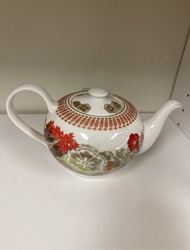
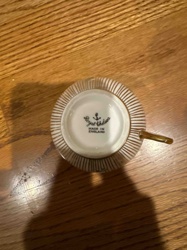
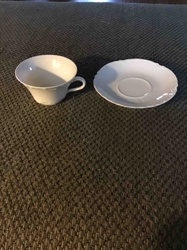
Vintage 6 piece teaser with CFH stamped on the bottom of plates and saucers etc

AI analysis below

AI appraisal

AI analysis & estimate

AI-Generated · Verify before acting

Everything below is generated by AI for informational purposes only. AI can make mistakes — the AI may misidentify items or misattribute them (artist, maker, brand, designer, origin, era). This is not an official valuation and should not be used for insurance, sale, tax, estate, legal, or lending purposes — or any decision requiring a certified appraisal. It is not an authoritative claim about any person, brand, or rights holder — do not share or rely on it as a factual statement about a third party. Always consult qualified professionals before making financial decisions.

Note

This analysis also relies on unverified notes provided by the user, which may be incomplete or inaccurate and could affect the result.

Read the full disclaimer

AI Identification

·Not independently authenticated·Verify before acting

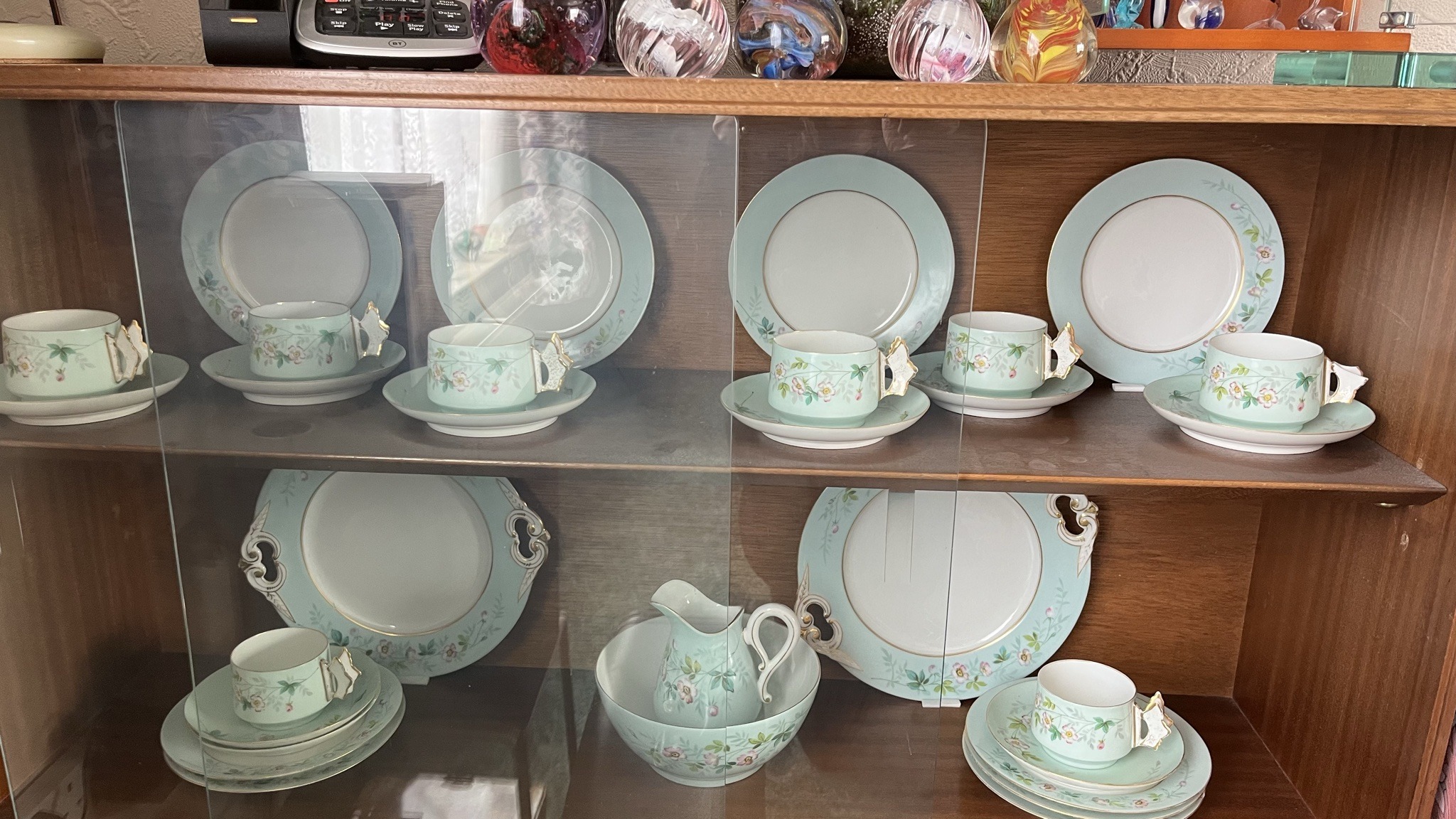
Vintage Charles Field Haviland (CFH/GDA) Limoges Porcelain Tea Service

Fine Antique Porcelain and Teaware

AI Estimated Value

·Not an official valuation·Verify before acting

$450 - $650

As of June 1, 2026

AI Item Analysis

·AI can make mistakes·Verify before acting
This is an elegant vintage porcelain tea service manufactured in Limoges, France, identified by the 'CFH' stamp as the work of Charles Field Haviland (often associated with the GDA - Gerard, Dufraisseix, and Abbot period). The set features a delicate, pale mint or celadon green border on a fine white translucent porcelain body. The decoration consists of hand-painted or high-quality transfer-applied floral swags featuring small pink and white blossoms with subtle green foliage. A defining characteristic of this set is the ornate, rococo-style gilded accents, particularly visible on the butterfly or scroll-shaped handles of the teacups and the pierced 'ear' handles of the serving platters. The gilding appears to be in good condition, showing consistent luster throughout the visible pieces. The set includes multiple footed teacups, saucers, small luncheon or dessert plates, a creamer pitcher, and a waste bowl or sugar bowl. The craftsmanship reflects the high standards of late 19th to early 20th-century Limoges production, characterized by thin walls and a smooth, vitrified glaze. Based on the CFH mark and aesthetic style, this service likely dates from the late Victorian or Edwardian era (circa 1890-1910). The condition appears excellent with no visible chips, cracks, or heavy crazing, though light shelf wear on the unglazed foot rings is expected for its age.
AI Appraisal Report

·AI can make mistakes·Verify before acting
I have virtually examined the Vintage Charles Field Haviland (CFH) Limoges Tea Service dating to approximately 1890-1910. The set displays the high artistry of the Gerard, Dufraisseix, and Abbot period, noted for its fine translucency and ornate Rococo revival aesthetics. The pale celadon border and gilded butterfly handles are highly desirable features that elevate this set above standard Haviland patterns. Based on the digital imagery, the gilding remains vibrant with minimal oxidation, and the glaze appears vitrified and free of significant crazing. Current market demand for complete Limoges services remains steady among collectors of 'Grandmillennial' aesthetics, though price realization is heavily dependent on piece count. For a service of this size and quality, comparables sold at boutique auctions typically fall within the $450 to $650 range. The primary value driver here is the ornate handle molding and the 'excellent' reported condition. However, a digital assessment has inherent limitations. I cannot definitively verify the absence of professional restorations or hairline fractures that only a 'ping' test or UV light examination would reveal. A full authentication would require a physical inspection to verify the tactile quality of the hand-painted accents versus transfers and a review of provenance documentation to confirm the set's history. These findings are based on the assumption that all pieces are free of chips and cracks; any structural damage would reduce the valuation by 30-50%.

Get your items appraised

Instant estimates of your treasures with AI-powered appraisals

Browse More Appraisals