AI Appraisal Estimate

AI-generated estimates · not official valuations

From the user

What was submitted

Photo and notes provided by the user — not generated by AI

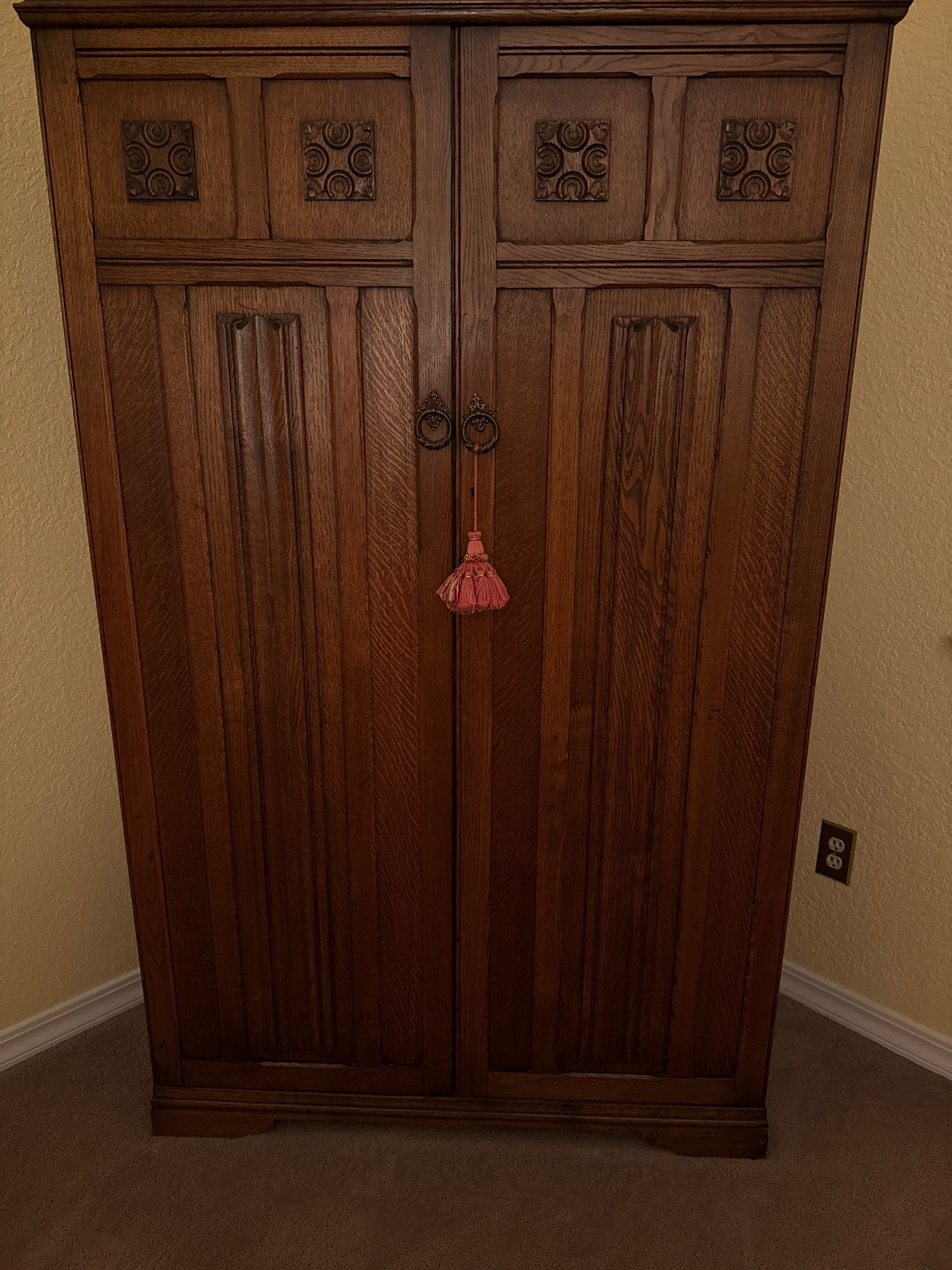
Submitted item photo
Submitted photo · June 20, 2026

User's notes

Vintage armoire

AI analysis below

AI appraisal

AI analysis & estimate

AI-Generated · Verify before acting

Everything below is generated by AI for informational purposes only. AI can make mistakes — the AI may misidentify items or misattribute them (artist, maker, brand, designer, origin, era). This is not an official valuation and should not be used for insurance, sale, tax, estate, legal, or lending purposes — or any decision requiring a certified appraisal. It is not an authoritative claim about any person, brand, or rights holder — do not share or rely on it as a factual statement about a third party. Always consult qualified professionals before making financial decisions.

Note

This analysis also relies on unverified notes provided by the user, which may be incomplete or inaccurate and could affect the result.

Read the full disclaimer

AI Identification

·Not independently authenticated·Verify before acting

Vintage Jacobean Revival Oak Armoire

Furniture

AI Estimated Value

·Not an official valuation·Verify before acting

$1,200 - $1,850

As of June 20, 2026

AI Item Analysis

·AI can make mistakes·Verify before acting
This is a large, two-door vintage armoire or wardrobe, heavily influenced by Jacobean and Tudor Revival styles. The piece is constructed from oak, showcasing prominent medullary rays consistent with quartersawn wood. Its facade is divided into several architectural zones: the upper section features four recessed panels with central square carvings of a stylized 'X' or floral motif, while the lower section consists of long vertical stiles and rails with linen-fold and Gothic-style arched carvings at the top. The piece is stained a medium-to-dark walnut tone, bringing out the depth of the coarse oak grain. The hardware consists of two ornate, circular brass or bronze drop rings on decorative escutcheon plates, currently adorned with a rose-colored decorative tassel. The overall construction displays solid joinery and framed panels, sitting on a plinth base with bracketed feet. Condition appears to be excellent for its age, with a well-maintained lustrous finish and minimal visible surface abrasions. Based on the design elements and construction techniques, this piece likely dates from the 1920s to the 1940s, during the peak of interest in Renaissance Revival furniture.
AI Appraisal Report

·AI can make mistakes·Verify before acting
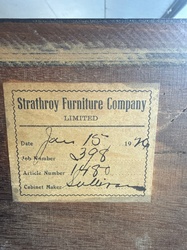
I have examined the digital images of this Vintage Jacobean Revival Oak Armoire. The piece exhibits high-quality craftsmanship characteristic of the early 20th-century revival period. The use of quartersawn oak with distinct medullary rays indicates a higher tier of production than standard mass-market furniture of the era. The joinery appears robust, and the preservation of the linen-fold and Gothic-style carvings suggests it has been kept in a climate-controlled environment, maintaining a lustrous patina with minimal checking. In the current secondary market, Jacobean Revival pieces of this scale are valued for their architectural presence and 'Grandmillennial' appeal. While mid-century modern continues to dominate, there is a steady niche demand for English-style case goods that offer significant storage and historical character. This valuation is based on similar sales at regional boutique auctions and specialized antique dealers. The primary factors driving this value are the excellent condition of the finish and the ornate, intact hardware. Limitations: This appraisal is based solely on visual inspection of images. Without physical examination, I cannot verify the presence of modern replacements (such as plywood backing or replaced hinges) which would lower the value. Full authentication would require an in-person inspection of the interior joinery (looking for hand-plane marks vs. machine circular saw marks), a search for maker's marks or paper labels often found on the rear panel, and provenance documentation such as original purchase receipts or family records to confirm the 1920s-40s attribution.

Get your items appraised

Instant estimates of your treasures with AI-powered appraisals

Browse More Appraisals