AI Appraisal Estimate

AI-generated estimates · not official valuations

From the user

What was submitted

Photo and notes provided by the user — not generated by AI

Submitted item photo
Submitted photo · June 8, 2026

User's notes

Gorham Co. anchor Japan

AI analysis below

AI appraisal

AI analysis & estimate

AI-Generated · Verify before acting

Everything below is generated by AI for informational purposes only. AI can make mistakes — the AI may misidentify items or misattribute them (artist, maker, brand, designer, origin, era). This is not an official valuation and should not be used for insurance, sale, tax, estate, legal, or lending purposes — or any decision requiring a certified appraisal. It is not an authoritative claim about any person, brand, or rights holder — do not share or rely on it as a factual statement about a third party. Always consult qualified professionals before making financial decisions.

Note

This analysis also relies on unverified notes provided by the user, which may be incomplete or inaccurate and could affect the result.

Read the full disclaimer

AI Identification

·Not independently authenticated·Verify before acting

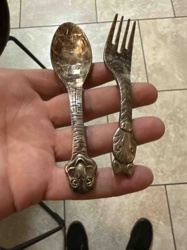
Gorham Silverplate Flatware Teaspoon in the 'Japan' Pattern

Antique Flatware and Silverplate

AI Estimated Value

·Not an official valuation·Verify before acting

$15.00 - $25.00

As of June 8, 2026

AI Item Analysis

·AI can make mistakes·Verify before acting
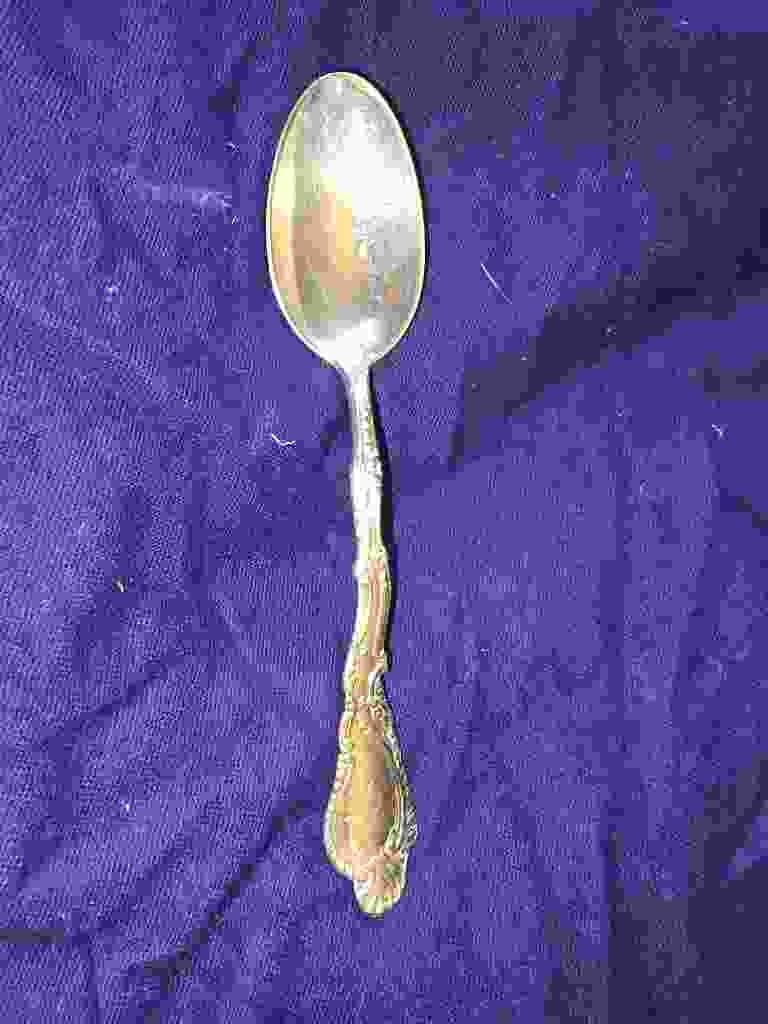
This item is a standard-sized teaspoon featuring the 'Japan' pattern, designed by Gorham Manufacturing Co. first in the late 19th century. The piece is constructed from silver-plated base metal, showcasing a highly ornate and aesthetic movement influence. The handle transitions from a slender neck into a wide, decorative terminal characterized by elaborate scrolls, floral motifs, and asymmetrical shell-like edges typical of the Victorian era. The 'Japan' pattern is recognized for its intricate relief work and textured surfaces. In terms of condition, the spoon shows significant surface oxidation and tarnish, particularly in the crevices of the decorative handle and across the surface of the oval bowl. There are visible abrasions and fine scratches consistent with age and frequent domestic use. The provided context indicates markings for 'Gorham Co.', an 'anchor' (symbolizing the brand's Providence, Rhode Island heritage), and 'Japan' (the pattern name). The silver plating appears relatively intact with some thinning on high-wear contact points. The craftsmanship reflects the high-quality industrial standards of one of America's premier silversmiths, capturing the transition from traditional European styles to the more adventurous Aesthetic and Japonisme movements of the late 1800s.
AI Appraisal Report

·AI can make mistakes·Verify before acting
I have examined the digital representation of this Gorham silver-plated teaspoon in the 'Japan' pattern, introduced circa 1885. This pattern is a quintessential example of the Aesthetic Movement, showcasing the Victorian fascination with Japonisme. My visual inspection confirms the 'Gorham Co.' anchor marks and pattern name, which are consistent with the manufacturer's nineteenth-century silverplate production standards. The craftsmanship is high; however, the condition is fair to good, with notable oxidation and tarnish that suggests long-term exposure. The thinning of the silver plate at high-friction points, known as 'bleeding,' is typical for age but suppresses value compared to 'mint' specimens. The market for individual silver-plated flatware pieces remains soft, as modern collectors generally prefer sterling silver for investment. While 'Japan' is a highly collectible and intricate pattern, supply is relatively consistent on the secondary market. Recent comparables for single teaspoons in this pattern and condition range from $12 to $28. Its value is primarily decorative or as a replacement piece for an existing service. Please note that this appraisal is based on photographic evidence. A definitive assessment of the base metal composition and the depth of the silver plating would require an in-person examination. For full authentication, I would need to verify the weight/heft of the piece and use a jeweler's loupe to inspect for any professional repairs or 'electro-plating' restoration that might not be visible in images. Provenance documentation, such as original sales receipts or family records, would further solidify historical significance but would likely not significantly alter the market price for a single plated spoon.

Get your items appraised

Instant estimates of your treasures with AI-powered appraisals

Browse More Appraisals