AI Appraisal Estimate

AI-generated estimates · not official valuations

From the user

What was submitted

Photo and notes provided by the user — not generated by AI

Submitted item photo
Submitted photo · June 4, 2026

User's notes

No additional notes provided.

AI analysis below

AI appraisal

AI analysis & estimate

AI-Generated · Verify before acting

Everything below is generated by AI for informational purposes only. AI can make mistakes — the AI may misidentify items or misattribute them (artist, maker, brand, designer, origin, era). This is not an official valuation and should not be used for insurance, sale, tax, estate, legal, or lending purposes — or any decision requiring a certified appraisal. It is not an authoritative claim about any person, brand, or rights holder — do not share or rely on it as a factual statement about a third party. Always consult qualified professionals before making financial decisions.

Read the full disclaimer

AI Identification

·Not independently authenticated·Verify before acting

Judeo-Persian Illuminated Manuscript Leaf Miniature

Manuscripts and Antiques

AI Estimated Value

·Not an official valuation·Verify before acting

$2,000 - $3,000

As of June 4, 2026

AI Item Analysis

·AI can make mistakes·Verify before acting
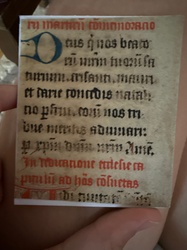
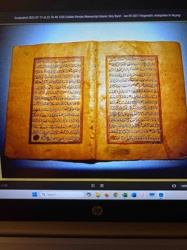
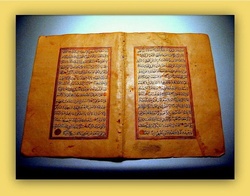
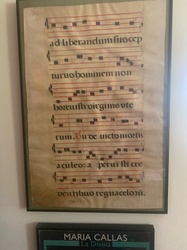
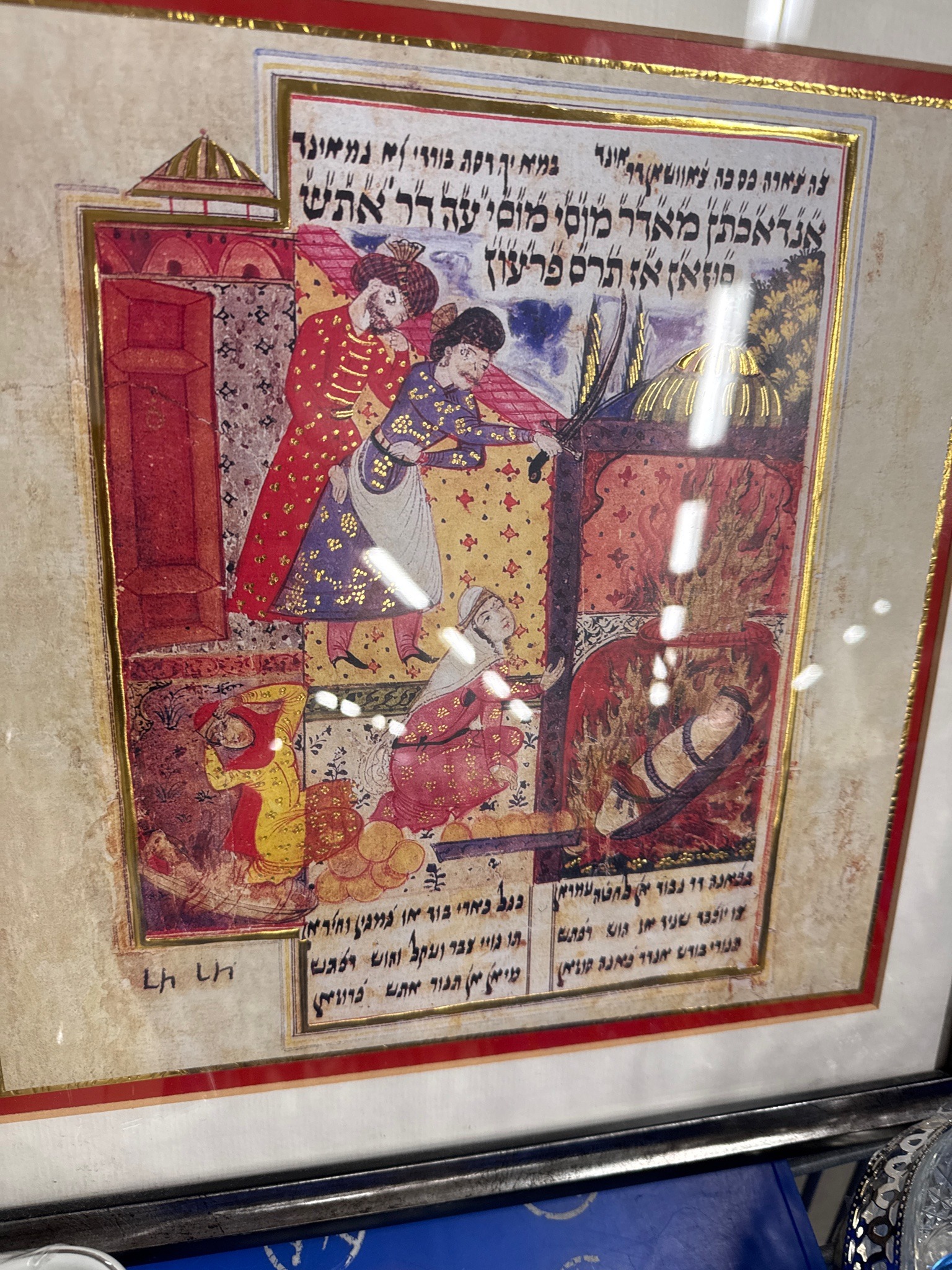
This piece is an illuminated manuscript leaf featuring a narrative miniature, likely from a Judeo-Persian epic such as the Ardashir-nama or a biblical chronicle. It depicts a dramatic scene of figures in 17th or 18th-century Safavid-style Persian attire, including elaborate turbans and robes adorned with gold-leaf patterns. The Central scene appears to depict the legend of the fiery furnace or a similar ordeal, characterized by a figure within a flaming structure to the right. The artwork is executed in gouache, ink, and gold leaf on paper, framed by a red border and a gold-painted fillet. The text panels feature Judeo-Persian script (Persian language written using the Hebrew alphabet), which is a key distinguishing mark of the Bukharan or Persian Jewish cultural heritage. The craftsmanship shows high-quality detailing in the textile patterns and architectural motifs. Notable conditions include overall yellowing of the paper consistent with age, some minor pigment loss or flaking in the lower left corner, and a slight darkening of the gold leaf. The style is a provincial derivative of the Safavid school, suggesting an origin in the 17th or 18th century. Modern framing protects the leaf, which shows characteristic cockling from the application of heavy pigments on an organic substrate.

AI Appraisal Report

·AI can make mistakes·Verify before acting
Based on the provided images, I have visually examined this Judeo-Persian illuminated manuscript leaf. The piece depicts a dramatic narrative scene, possibly the fiery furnace or a similar ordeal from an epic like the Ardashir-nama. The artwork is rendered in gouache, ink, and gold leaf, featuring figures in Safavid-style attire which strongly suggests a provincial 17th or 18th-century Persian origin. Regarding condition, the leaf exhibits expected wear for its age: overall yellowing of the paper substrate, slight darkening of the gold leaf, and characteristic cockling due to the heavy application of wet pigments. I also note minor pigment loss and flaking in the lower left corner, which is typical for organic manuscripts of this era. The Judeo-Persian script (Persian language in Hebrew characters) is a highly significant feature that confirms its unique provenance within the Bukharan or Persian Jewish communities. In the current market, Judeo-Persian manuscripts are exceedingly rare, representing a fascinating cultural synthesis. Single miniature leaves of this quality—especially those combining rich narrative imagery and gold leaf with Judaic heritage—enjoy strong cross-over demand from both Islamic art and Judaica collectors. This dual-market appeal supports a robust valuation. Please note that this appraisal is based strictly on photographic evidence. While the stylistic markers and aging patterns appear consistent with the period, definitive authentication cannot be established from images alone. A full authentication would require an in-person physical examination to assess paper fibers, perform multispectral imaging on the pigments, and review any hardcopy provenance documentation to rule out high-quality 19th-century or modern facsimiles.

Get your items appraised

Instant estimates of your treasures with AI-powered appraisals

Browse More Appraisals