AI Appraisal Estimate

AI-generated estimates · not official valuations

From the user

What was submitted

Photo and notes provided by the user — not generated by AI

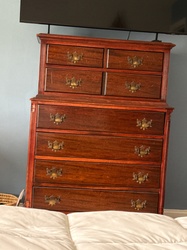
Submitted item photo
Submitted photo · June 26, 2026

User's notes

New York

AI analysis below

AI appraisal

AI analysis & estimate

AI-Generated · Verify before acting

Everything below is generated by AI for informational purposes only. AI can make mistakes — the AI may misidentify items or misattribute them (artist, maker, brand, designer, origin, era). This is not an official valuation and should not be used for insurance, sale, tax, estate, legal, or lending purposes — or any decision requiring a certified appraisal. It is not an authoritative claim about any person, brand, or rights holder — do not share or rely on it as a factual statement about a third party. Always consult qualified professionals before making financial decisions.

Note

This analysis also relies on unverified notes provided by the user, which may be incomplete or inaccurate and could affect the result.

Read the full disclaimer

AI Identification

·Not independently authenticated·Verify before acting

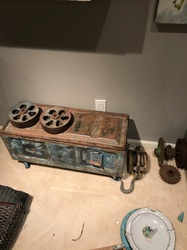
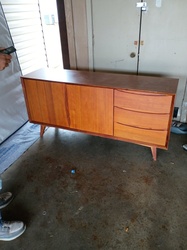
Vintage Desk with Spindle Legs and Frieze Carvings

Furniture

AI Estimated Value

·Not an official valuation·Verify before acting

$400-700

As of June 26, 2026

AI Item Analysis

·AI can make mistakes·Verify before acting
This is a vintage desk, likely from the early 20th century, characterized by its dark-stained wood and decorative elements. The desk features a rectangular top with a slightly distressed finish, suggesting age and use. Above the main desk surface, there is a raised back piece with a central carved medallion or crest, flanked by two simpler, possibly shell-shaped or floral carvings. This back piece has a wavy, decorative top edge. Below the main tabletop, a single drawer spans the width of the desk, adorned with a frieze of repeating garland or swags carvings. Two small, simple metal pulls, possibly brass or iron, are present on the drawer. The desk stands on four turned spindle legs, which appear to be tapered and feature some decorative detailing near the top where they meet the desk body. A lower shelf, also made of dark wood, is suspended between the legs, following a slightly curved profile. The overall condition shows signs of wear consistent with its age, including surface scratches, dust accumulation, and potential fading of the finish, particularly noticeable on the top surface. The construction appears to be solid wood, indicating a good quality piece of furniture from its era. The style combines elements of classical revival and possibly Art Deco influences, given the streamlined legs and decorative carvings.
AI Appraisal Report

·AI can make mistakes·Verify before acting
I've carefully examined the images of this vintage desk with spindle legs and frieze carvings. Authenticity appears strong; the design, wear patterns, and construction details align with an early 20th-century piece, likely from between 1900-1930. The distressed finish and surface scratches are consistent with age and use, contributing to its vintage appeal rather than detracting significantly, assuming structural integrity. The carved elements and spindle legs are characteristic of period furniture, suggesting a solid, well-made item. In terms of market conditions, vintage desks of this style have a steady, albeit not exceptionally high, demand. Comparable pieces typically fetch within the $400-$700 range, especially given the decorative carvings and lower shelf, which add to its aesthetic appeal and functionality. The New York location can sometimes command slightly higher prices due to a more active vintage market. Rarity is moderate; while not a unique, one-of-a-kind item, its specific decorative elements distinguish it from mass-produced furniture. Factors impacting value positively include the solid wood construction and the charming frieze carvings. The visible wear, while authentic, would limit its value compared to a perfectly preserved example. It's crucial to acknowledge the limitations of appraising from images alone. A definitive authentication and a more precise condition assessment would require an in-person examination to check for structural soundness, hidden repairs, the extent of woodworm or damage, and the exact type of wood and finish. Provenance documentation, if available, could further confirm its history and origin. For full authentication, I'd recommend a physical inspection by a furniture conservator or specialist.

Get your items appraised

Instant estimates of your treasures with AI-powered appraisals

Browse More Appraisals